Blog

  • Review – ‘Souzou: Outsider Art from Japan’ at the Wellcome Collection

    Review – ‘Souzou: Outsider Art from Japan’ at the Wellcome Collection

    ‘Outsider art’, although a term that is so often criticised for its ambiguity and uncomfortable sentiments, takes centre stage this spring at the Wellcome Collection in London. Despite the semantic controversy surrounding the term itself, there is nothing ambiguous, controversial or uncomfortable about Souzou: Outsider Art from Japan.

    Unlike the development and history of ‘outsider art’ in Europe; which ran parallel to the discipline of psychiatry – think Hanz Prinzhorn, in Japan, ‘outsider art’ has been “more closely aligned with public health and education reform from 1945.” Kazuo Itoga, considered the father of social welfare reform in Japan, pioneered the principle of producing personal artworks within an institutional context, insisting on self-expression and a policy of ‘non-intervention’ in the creative process.

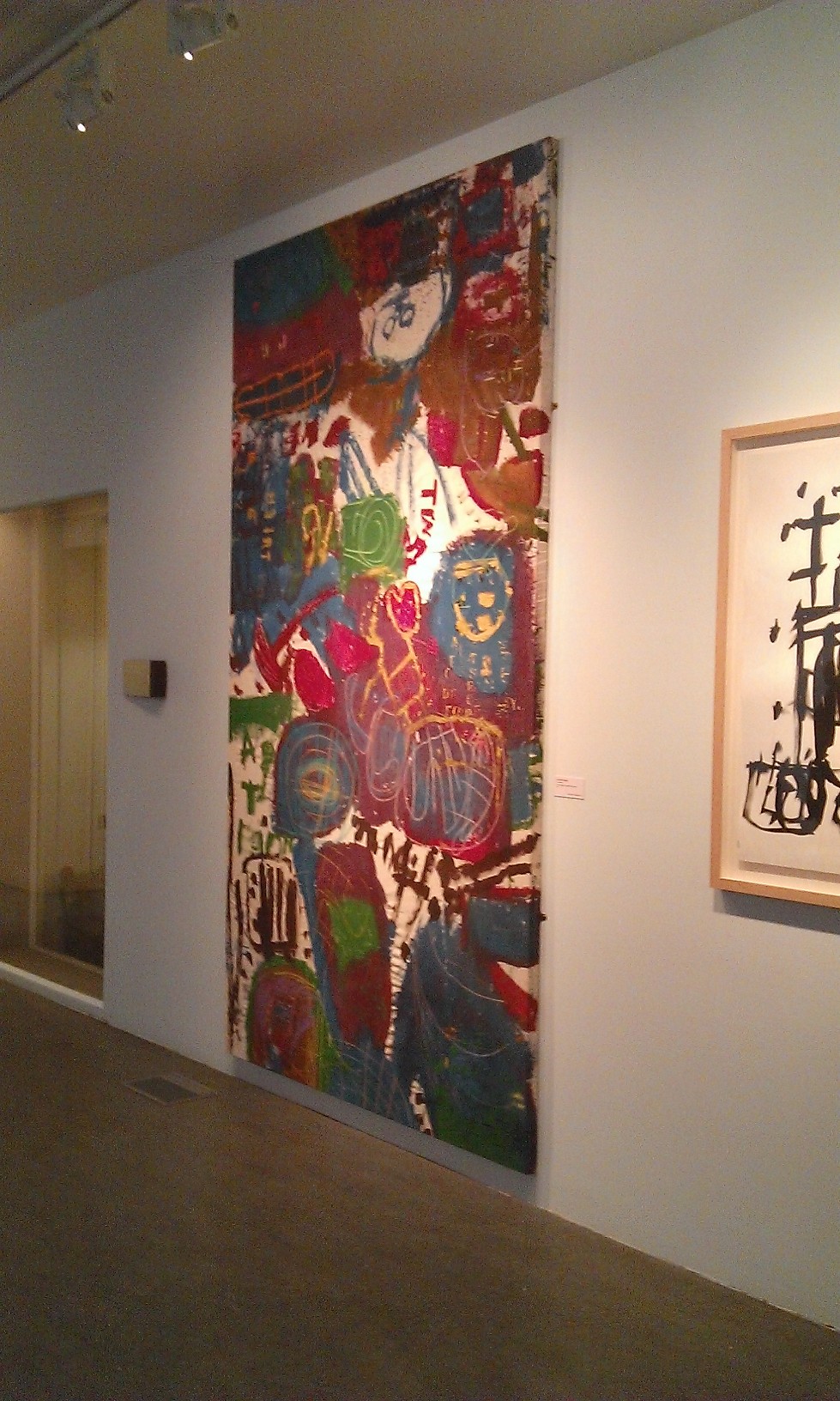
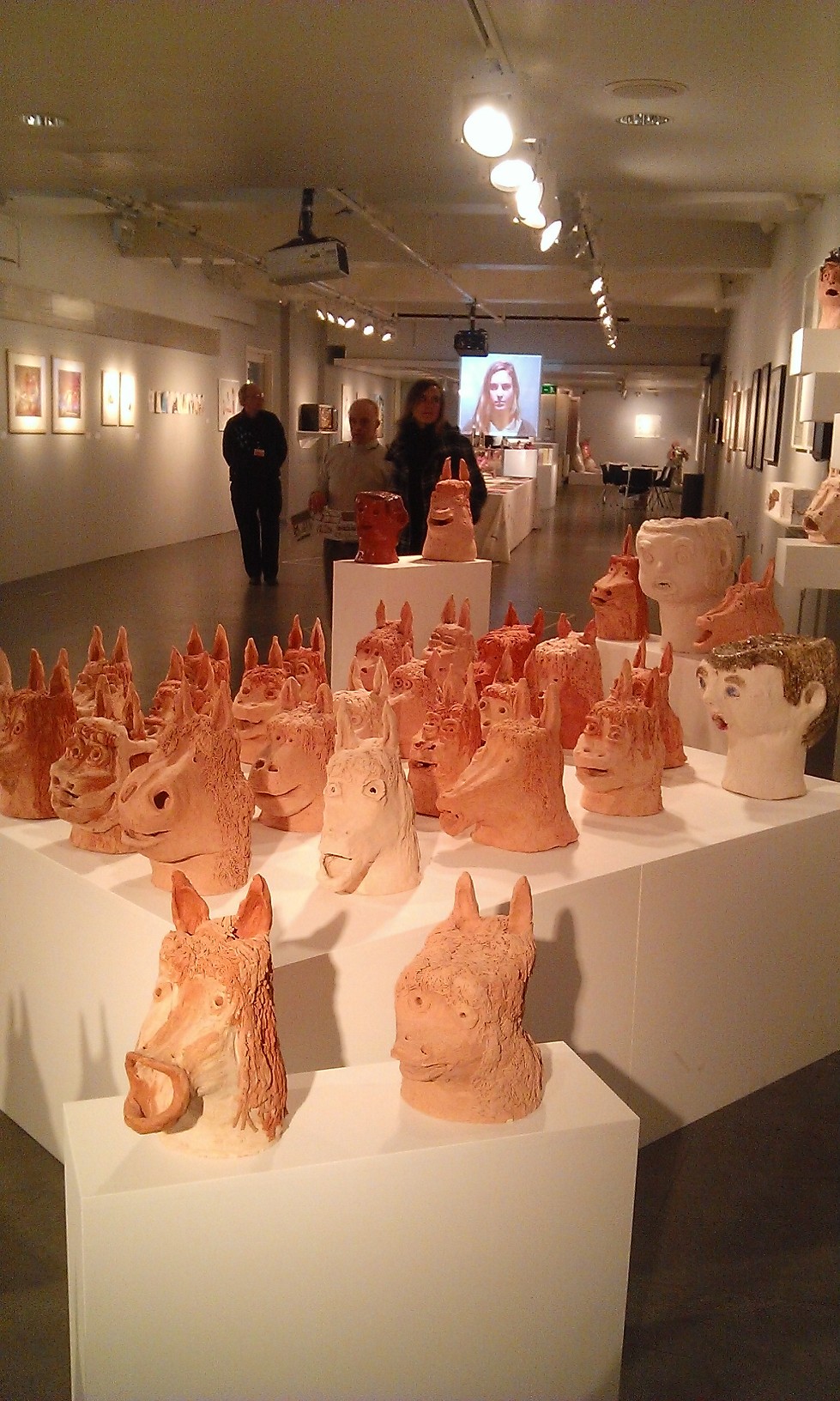
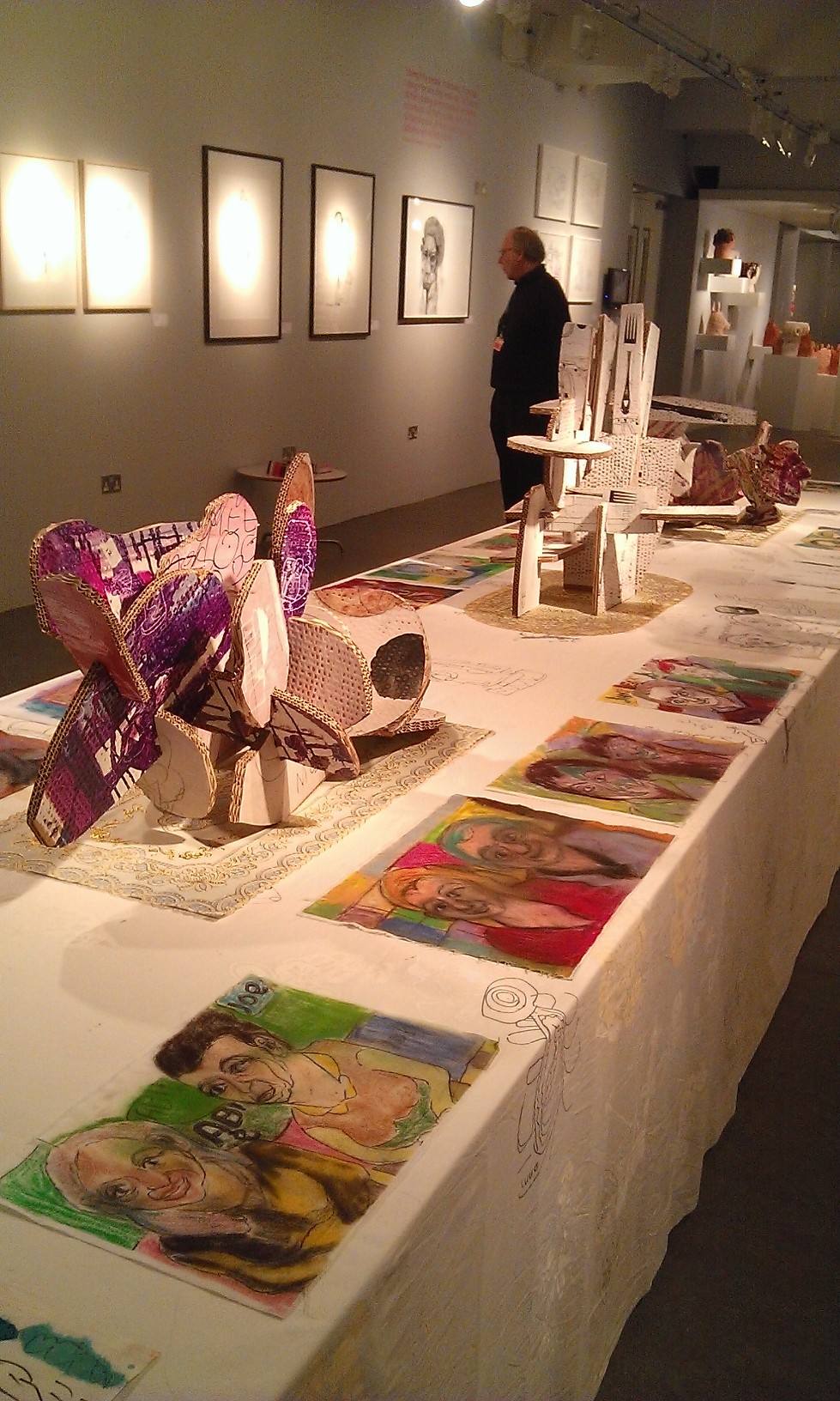
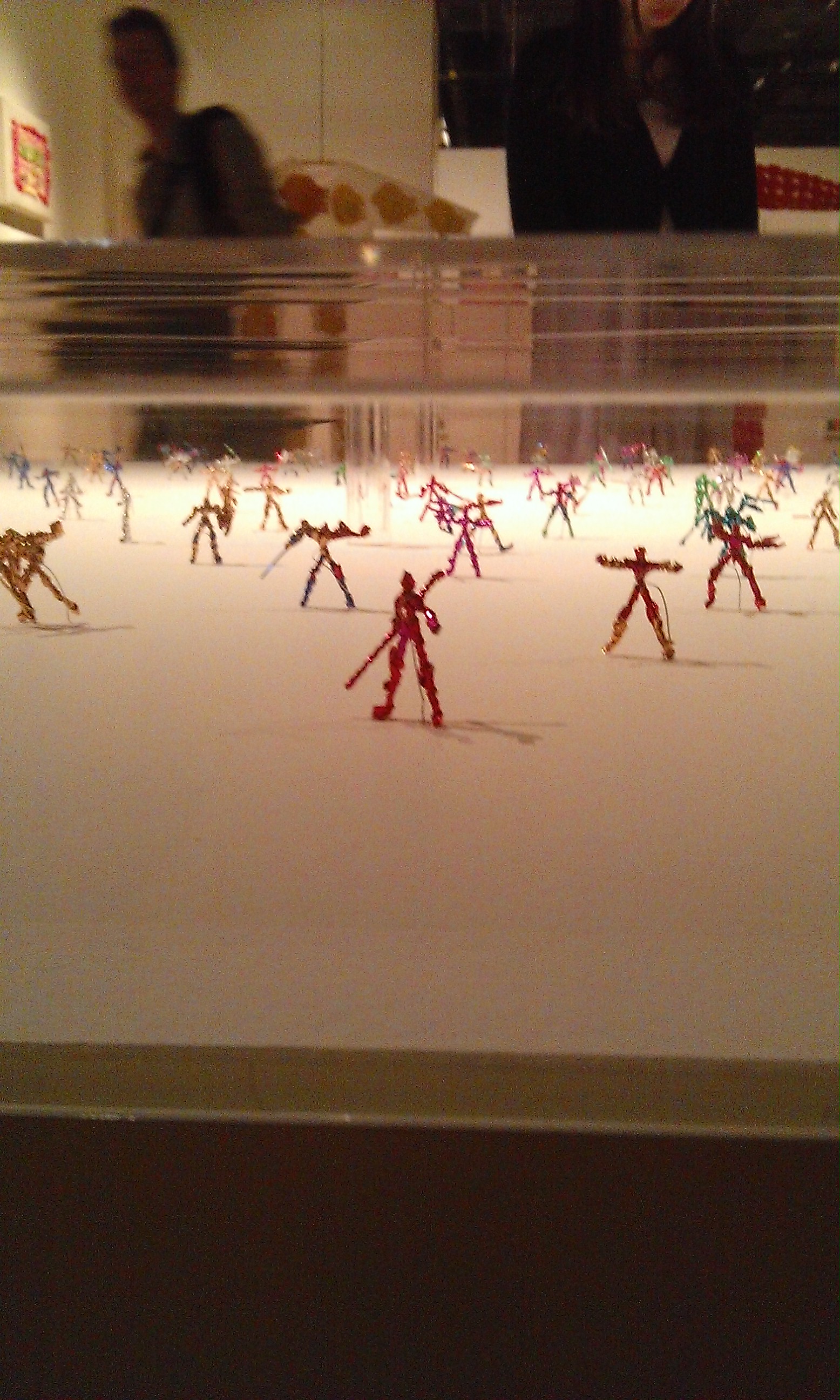
    Historical context aside, the exhibition at the Wellcome Collection is as diverse as the term ‘outsider art’. Amongst the sculpture and 2D works on display are tiny shiny model figures, bongos (the animal – not the drum), lions, life size dolls, still lifes, graphic posters, illustrations of morning tv programmes, and – perhaps some of my favourites – the Fried Chicken Pyjamas and the Pigeon Shaped Cookie Pyjamas by Takahiro Shimoda.

    Shota Katsube
    Shota Katsube
    Takahiro Shimoda 'Fried Chicken Pyjamas'
    Takahiro Shimoda ‘Fried Chicken Pyjamas’

    Split into six named sections – ‘Language’, ‘Making’, ‘Representation’, ‘Relationships’, ‘Culture’ and ‘Possibility’ – the exhibition represents works that are characteristically and stylistically common to what we consider to be ‘traditional outsider art’, as well as works that draw on popular culture, creativity and the structure of language. The section headed ‘language’ looks at the challenge of communication in a written or spoken form and how “visual expression can offer a release from the confines of language.” The ways we encounter language are explored, with Masataka Aikawa’s storybook-inspired ink drawings and Hiroyuki Komatsu’s pieces which reference the plots and characters from his favourite daytime TV programmes.

    Komatsu’s pieces, amongst others, finally highlight that – contrary to Dubuffet’s stubborn views on isolation and immunity – ‘outsider artists’ are more often than not very much in tune with contemporary culture. In fact, there is a whole section of the exhibition entitled ‘Culture’, which demonstrates the “artists’ keen awareness of their surroundings and of the wider cultural context.” Kiyoaki Amemiya’s mountainous landscapes and Ryosuke Otsuji’s “contemporary interpretation” of Okinawan lions highlight the influence of historical Japanese culture; whilst Daisuke Kibushi’s post-war movie posters and Keisuke Ishino’s paper anime figures allude to the impact of popular culture.

    ‘Representation’ and ‘Relationships’ include depictions of the objects and people that the artists experience in their everyday lives. ‘Representation’ raises questions about subjectivity vs objectivity – exemplified in the work of Takashi Shuji and Takanari Nitta, where seemingly everyday objects – hairdryers, windows – “are elevated to objects of beauty,” whilst ‘Relationships’ examines “the ways the artists depict themselves and their multifaceted relationships with other people.” The artists explore idealised visions of themselves (as is the case with the work of Yoko Kubota and Masao Obata), as well as their ambitions, fears, desires and the notions of “absence, uncertainty and erasure.”

    When we think of ‘outsider art’, we often think of the use of unconventional objects – in fact, I recently wrote a post about the ‘outsider artist’ as a pioneer of the ready-made movement in the history of modern art – and this is explored in ‘Making.’ In this section, the importance of work and employment in Japan is highlighted with the use of clay and washi (Japanese paper), used by Komei Bekki and Seiji Murata, who are both employed in these industries respectively. This section includes a vibrant array of tactile materials – textiles, clay, and cloth – which require “repetitive, time-consuming processes that have calming and therapeutic effects.”

    My favourite piece in the show, however, sits in the final category of ‘Possibility.’ Norimitsu Kokubo’s panoramic cityscape is a work-in-progress which depicts a map of the world as visualised through the artist’s internet research. When finished, the work will measure a hefty 10 metres across. This work epitomises this section’s attempt to portray works which “collate and reorder information… to create parallel, ‘improved’ realities.”

    Norimitsu Kokubo, '3 Parks with  a panoramic view. A 360 degree world of panoramic view - Ferris Wheel, clusters of buildings with magnetically-levitated trains, past present future, a suburban town with railroad bridges, a city under development with indigenous peoples and natural resources.'
    Norimitsu Kokubo, ‘3 Parks with a panoramic view. A 360 degree world of panoramic view – Ferris Wheel, clusters of buildings with magnetically-levitated trains, past present future, a suburban town with railroad bridges, a city under development with indigenous peoples and natural resources.’

    The term Souzou, in my opinion, goes part of the way in distilling any preconceptions about this type of art because it is a word that the Western world has (somewhat unknowingly) needed for so long. With no direct translation into English, it can mean either ‘creation’ or ‘imagination’ – “both meanings allude to a force by which new ideas are born and take shape in the world.” Maybe it doesn’t need a direct translation; after all, ‘Outsider Art’ is an “imperfect approximation” of another term that does not translate comfortably into English – Jean Dubuffet’s Art Brut. It is our need for labels and categories that has tied us in a knot when it comes to ‘outsider art’; when really we do not need words at all.

    The exhibition is a timely reminder of the importance of displaying works created by those who cannot so easily align themselves with the mainstream art world. Created by Japanese artists in day centres all over Japan, the works perhaps illustrate the term Souzou better than any English translation ever could, and certainly better than many works in the current contemporary mainstream. The exhibition blows away the hierarchical idea of biographical context and focuses on the achievement of these artists and their incredible creations. There is something here for everyone, and I challenge you not to come away thinking about the astounding imagination and creative ability of these people. Perhaps this year is the year that ‘outsider art’ finally becomes recognised as an illustration of authentic creativity and talent and can once and for all be lost as a category, and works of the Souzou calibre can be known simply as ‘Art.’

    Souzou: Outsider Art from Japan is on at the Wellcome Collection from 28 March – 30 June 2013. For more information, click here.
    All quoted information is taken from the ‘Souzou: Outsider Art from Japan’ exhibition companion, available from the Wellcome Collection.

  • ‘Outsider Art’ and the ‘Traditional’ History of Modern Art

    ‘Outsider Art’ and the ‘Traditional’ History of Modern Art

    In most people’s minds, the development of art (more specifically Western art) in the twentieth century appears pretty linear. It starts with Manet – the father of Modern Art – and the Salon des Refuses in France and moves through the ‘isms’: French Impressionism, Post-Impressionism, Symbolism, Expressionism, Cubism… etc. etc., without much divergence or digression.

    Roger Cardinal, in his essay ‘Cultural Conditioning’ from his pioneering publication Outsider Art (1972), speaks of Jean Dubuffet’s pamphlet, Asphyxiante culture. In the pamphlet, Dubuffet recalls a conversation with a teacher about there always having been an art “alien to established culture and which ipso facto [has] been neglected and finally lost without a trace.”[1] The teacher replied that “if such works had been assessed by contemporary experts and deemed unworthy of preservation, it was to be concluded that they could not have been of comparable value to the works of their time that had survived.”[2] The teacher expanded – he had seen some German paintings that had been executed at almost exactly the same time as the Impressionists were making their mark. BUT, they bore no resemblance to the Monet’s, Sisley’s and Pissarro’s that were taking the art world by storm. The teacher then felt obliged to admit that “they were aesthetically inferior to the work of the Impressionists; art criticism had accordingly been perfectly justified in preferring the latter.”[3]

    In response to his teacher’s somewhat passive acceptance of the power of critics and historians in shaping the history of art, Dubuffet pointed out:

    “The stupidity of this sort of reasoning, based as it is on a notion of objective value that betrays the worst kind of cultural myopia: where respected critics have testified their approval, there can be no dissension; bad marks in art can never be forgiven, at least not by a layman.”[4]

    To Dubuffet, his teacher had “bowed before the prevailing wind emitted by the Establishment, and could consent to find objective beauty only in the place marked out by a superior order.”[5]

    Conversely to Dubuffet’s teacher’s dismissal of art not accepted by the Establishment, I for one can certainly see comparisons between the work of ‘outsider artists’ and the Manets, Matisses and Mondrians of the Modern Art world. The most glaringly obvious comparison (although I’m not a fan of comparisons) comes from the contradictorily all-encompassing Expressionism – which could in theory act as the sole ‘label’ for all of its preceding movements. The essential idea behind Expressionism (which originated in Germany in around 1910) was that “art should not be limited to the recording of visual impressions, but should express emotional experiences and spiritual values.”[6] I think these descriptions also aptly define the majority of works of ‘outsider art’ – raw and emotive, spiritual; a visual incarnation of the inner voice.

    At the time of increasing popularity for German Expressionism, the artists who aligned themselves with the ‘movement’ were becoming aware of ‘outsider art’. They were inspired. The psychologically isolated mechanical era of industrialisation in Germany combined with the imminent threat of war led artists such as Max Beckmann to look for a new language for these continuing contextual dilemmas. German Expressionists looked to convey certain aspects of ‘outsider art’ in their own quest to create a language that was undoubtedly a critical response to contemporary political and social problems.

    Max Beckmann, 'The Night'
    Max Beckmann, ‘The Night’

    So… How is ‘outsider art’ so often excluded from the rigid linear progression of twentieth century Modern Art when it so obviously informed one of the biggest movements of this era?

    Similarly, Henri Rousseau – ridiculed during his life, and never embraced by the ‘accepted’ canon – has come to be recognised as a self-taught genius with works of an impeccably high standard. Alfred H. Barr, Jr., writing the foreword for They Taught Themselves: American Primitive Painters of the 20th Century, notes that, even alongside the famed French Impressionists, “Rousseau now seems one of the foremost French painters of his generation,” who can undoubtedly “hold [his] own in the company of [his] best professionally trained compatriots.”[7]

    Henri Rousseau, 'Exotic Landscape'
    Henri Rousseau, ‘Exotic Landscape’

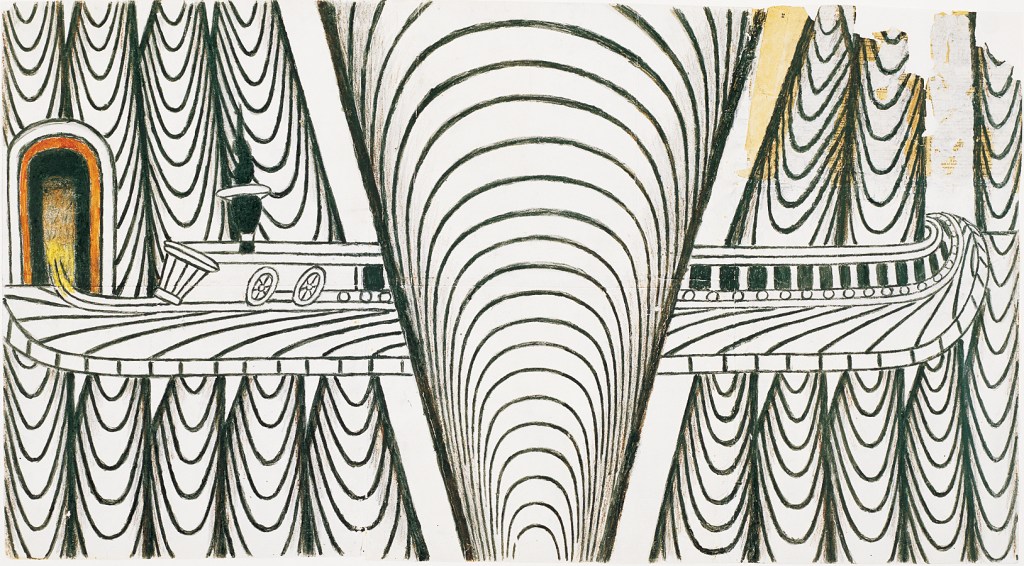
    Likewise, the thousands of drawings created by Bill Traylor – who was born into slavery in Alabama in 1854 – “didn’t fit into the heroic story of Modern Art.”[8] Jonathan Keats, writing for Forbes, insists that if Traylor had “been known beyond the city limits of Montgomery, he’d have been a worthy rival of Picasso and Matisse.”[9] Keats continues, claiming that Traylor’s work could have “given up the game” – it was “totally untutored yet as sophisticated as anything in a museum.”[10]

    Bill Traylor, 'Untitled Black Male Boar with Curly Tail'
    Bill Traylor, ‘Untitled Black Male Boar with Curly Tail’

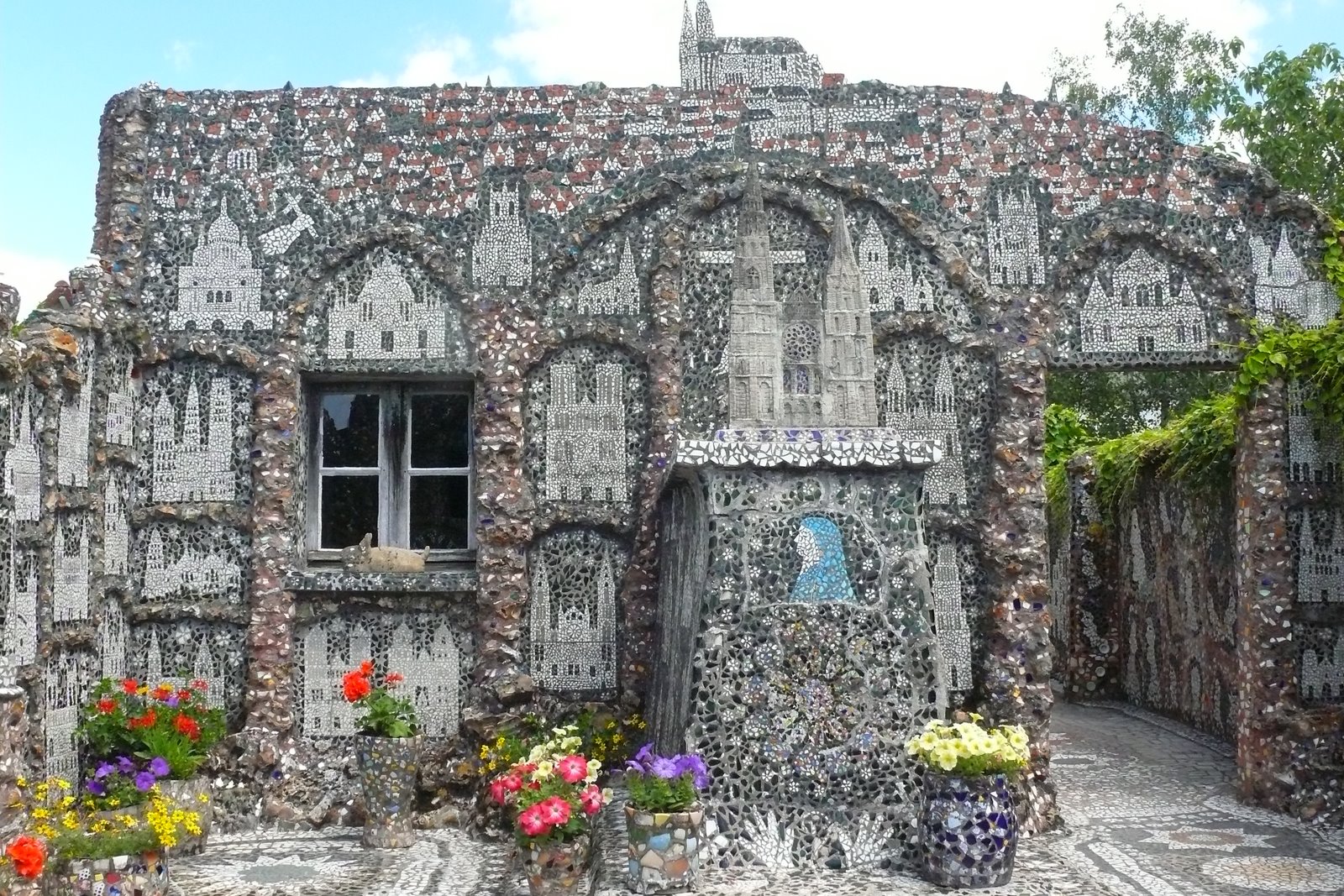
    There are even more glaringly apparent comparisons as we move towards the present day, with the rise of the ‘Ready Made’, or of the ‘Found Object’; both an illustration of the Modernist revolt against traditional materials which saw artists attempt to demonstrate that art can be made from anything. A lot of the most well-known ‘outsider artists’ used any materials that they could get their hands on. Although perhaps not a conscious choice – like those rebellious Modern artists – ‘outsider artists’ are often renowned for their innovative use of found materials. One of the most famous examples is Raymond Isidore’s ‘Picassiette’ – his embellished property, which he decorated with salvaged shards. Perhaps most ‘outsider artists’ could come under this ‘category’, for many of them used non-traditional art-making tools such as toothpaste, or in Traylor’s case, the backs of discarded posters and cardboard scraps.

    Raymond Isidore, 'La Maison Picassiette'
    Raymond Isidore, ‘La Maison Picassiette’

    The list goes on – and the longer it gets, the more confusing it is that the highly influential and original works of ‘outsider artists’ were excluded from the mainstream art world at their time of production and have since been excluded from what we know as ‘The History of Art.’

    The celebrated ‘outsiders’ of today may not have been critically acclaimed at the time, but – luckily – they have not been “neglected and finally lost without a trace”; as Dubuffet’s teacher claimed of most art “alien to established culture.”[11] The more we look back at the development of Western art in the twentieth-century, the more we can start to place pioneering ‘outsider artists’ into the canon of Modern Art. Perhaps with hindsight we can look back at ‘outsider art’ made during the twentieth century and realise that the term has, in fact, been obsolete this whole time.

    As Alan Bowness writes in Modern European Art – a bite-sized overview of the twentieth century art world:

    “Artistic ‘movements’ are the generalizations of journalists when confronted by the existence of new work that cannot be fitted into any convenient pigeon hole. Such terms survive only because they have a certain historical validity, and also because they help to confer some sort of order on the apparent anarchy that the contemporary art scene has, ever since Romanticism, seemed to present.”[12]

    References

    [1] Roger Cardinal, “Cultural Conditioning” in Outsider Art, 1972 [available online: http://www.petulloartcollection.org/history/article.cfm?n_id=19%5D

    [2] Ibid.

    [3] Ibid.

    [4] Ibid.

    [5] Ibid.

    [6] Alan Bowness, Modern European Art, (Thames and Hudson, 1972)

    [7] Alfred H. Barr, Jr., Foreword to They Taught Themselves: American Primitive Painters of the 20th Century (1942, reprinted 1999) [available online: http://www.petulloartcollection.org/history/article.cfm?n_id=1%5D

    [8] Jonathan Keats, ‘Where does Outsider Art belong? Ex-Slave Bill Traylor Reigns Supreme at the Philadelphia Museum’, Forbes [available online: http://www.forbes.com/sites/jonathonkeats/2013/03/13/where-does-outsider-art-belong-ex-slave-bill-traylor-reigns-supreme-at-the-philadelphia-museum/%5D

    [9] Ibid.

    [10] Ibid.

    [11] Op. Cit., Cardinal

    [12] Op. Cit., Bowness

  • Andrew Beswick

    Andrew Beswick

    Artist’s Statement:

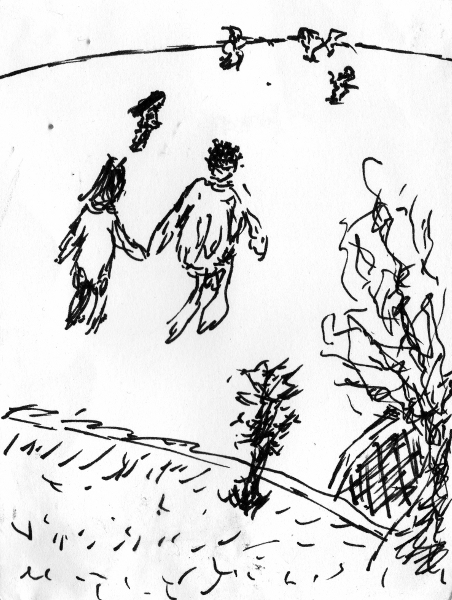
    Andrew Beswick is a Manchester-based artist who’s work includes poetry, drawing, performance and sculpture. His approach to art is intuitive and self-taught and his inspiration to begin making art originated from a love of expressionist painting, primitive/ outsider art and the work of groups such as COBRA and the Situationist International. His interest lies in the experimentation with form and the creative process. Each work is seen as incomplete or unfinished, a sketch or an idea that is an end unto itself. With an artistic practice that is centred around themes of spontaneity and the natural environment, he combines elements of cartography, primitivism and poetry with an interest in social history, ethnology and popular culture. In 2006 Andrew studied Art Foundation at Stockport College and the following year he helped establish the Islington Mill Art Academy, an independent art school based in Salford (which he is still actively involved with).


    Andrew Beswick, 'Untitled' (2007)
    Andrew Beswick, ‘Untitled’ (2007)
    Andrew Beswick, 'People in Krakow' (2007)
    Andrew Beswick, ‘People in Krakow’ (2007)
    Andrew Beswick, 'Duck' (2007)
    Andrew Beswick, ‘Duck’ (2007)
    Andrew Beswick, Marina De Lagos' (2012)
    Andrew Beswick, Marina De Lagos’ (2012)
    Andrew Beswick, 'Salford in Rush Hour' (2008)
    Andrew Beswick, ‘Salford in Rush Hour’ (2008)

    To see more of Andrew’s work, you can visit his website:
    www.andrewbeswickart.com

    If you would like a showcase of your work on this blog, please get in touch my emailing kdoutsiderart@yahoo.com
    Alternatively, get in touch on Twitter: @kd_outsiderart

  • Creative Future Exhibitions

    Creative Future Exhibitions

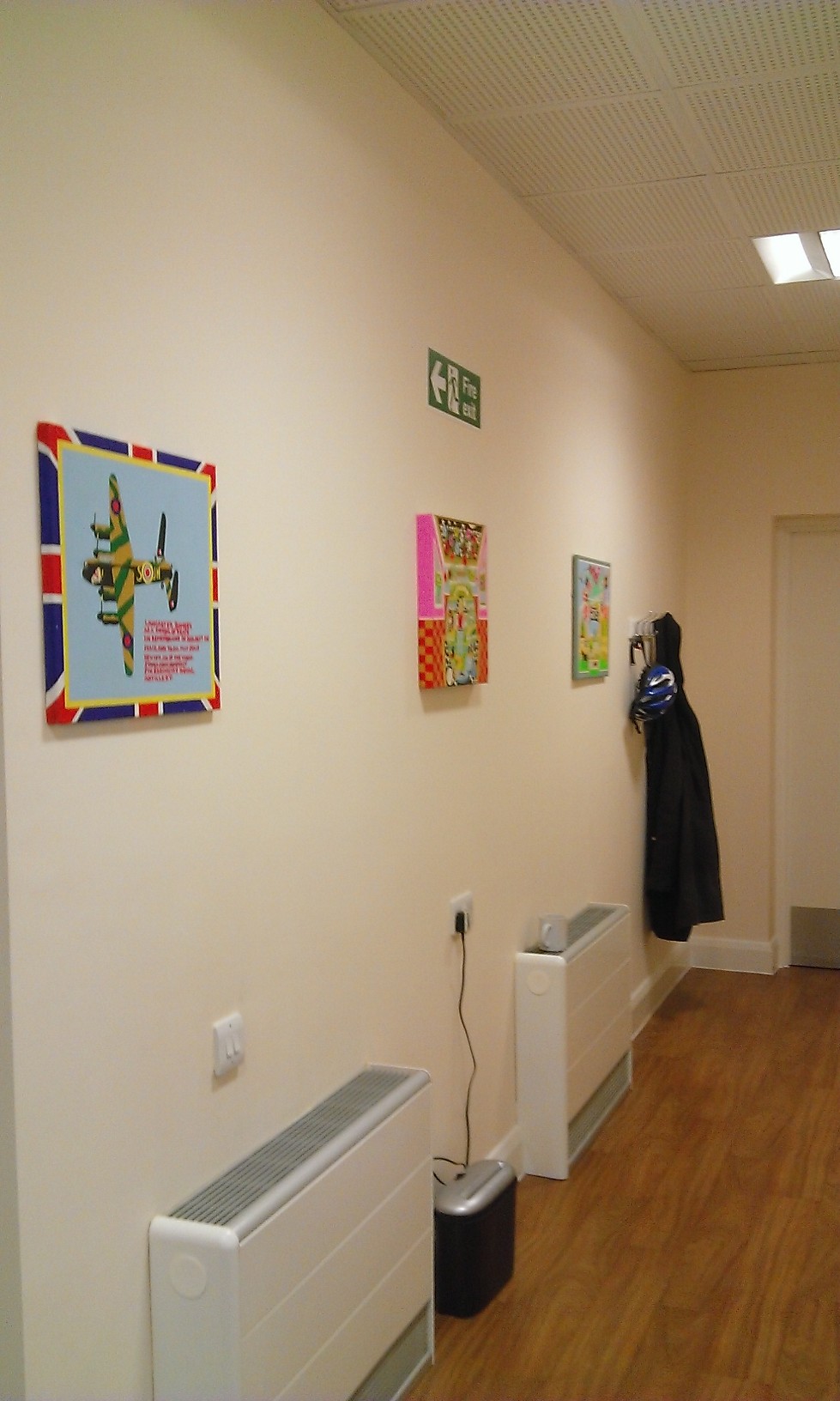
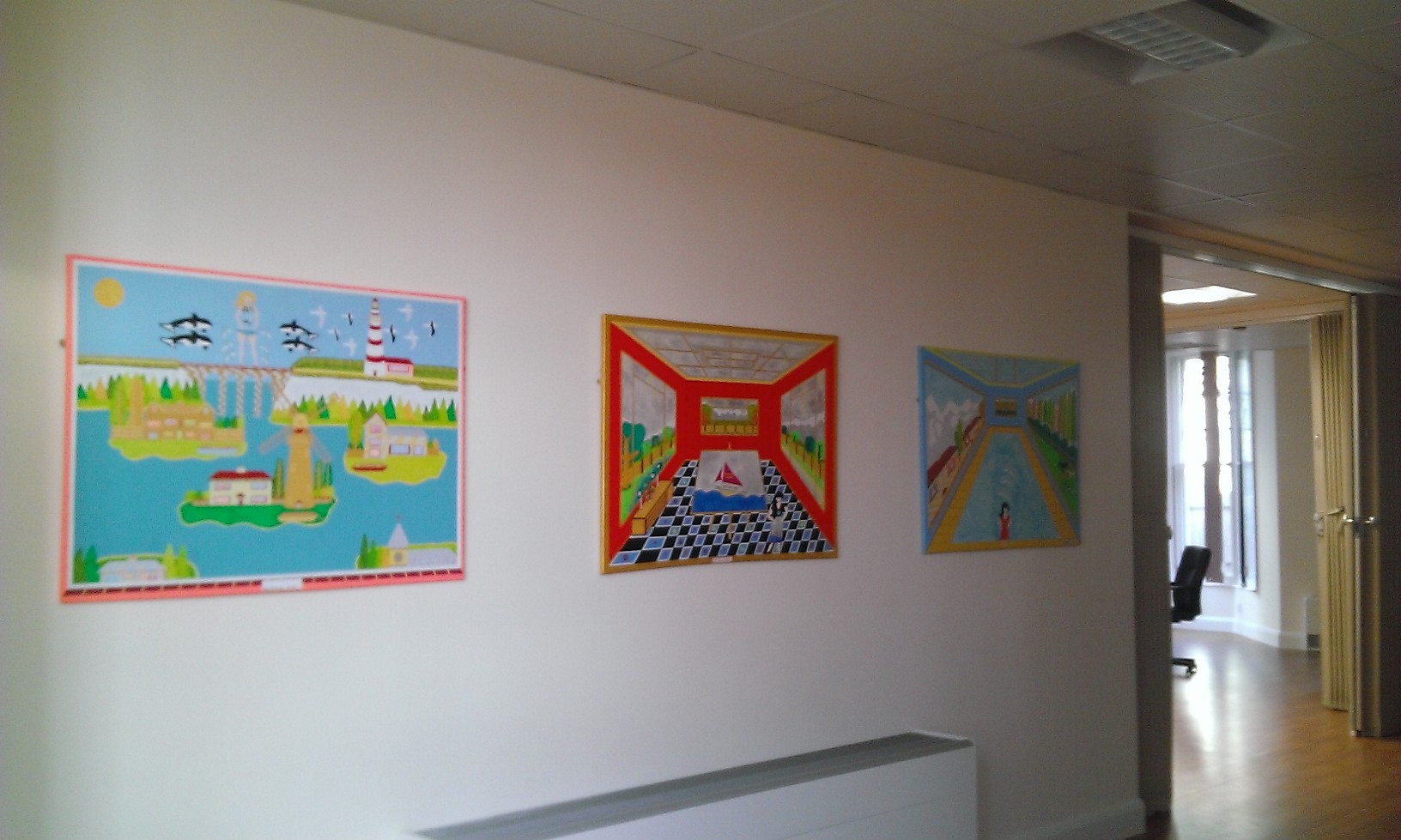
    Creative Future, an organisation based in Brighton, aims to promote the work of artists and writers who need extra support through publications, exhibitions and workshops. The organisation also has two milestone events; Tight Modern and the Impact Art Fair, with an in-the-making Literary event on its way. I work part time for the organisation, as their Data and Communications Officer, and have spent the past couple of weeks installing exhibitions at two different venues in Brighton. One of the exhibitions is currently taking place in the corridors of Community Base in Brighton; the home of the Creative Future office. Each mezzanine level has two artworks by Creative Future artists, with pieces ranging from digital prints to acrylic paintings. The second exhibition we have been working on is taking place at The Fed’s new Space for Change, where you can see the colourful, fantastical work of Stephen Humphrey,

    Community Base Corridor Exhibition

    Comm Base_2
    Works by Richard Sitford and Stephen White

    Stephen Humphrey Exhibition at Space for Change

    Stephen Humphrey, 'Medieval England' and 'The Beauty of Nature'
    Stephen Humphrey, ‘Medieval England’ and ‘The Beauty of Nature’
    Stephen Humphrey, 'Lancaster Bomber', 'Mother Nature' and 'Beauty Street'
    Stephen Humphrey, ‘Lancaster Bomber’, ‘Mother Nature’ and ‘Beauty Street’
    Stephen Humphrey, 'Mother Nature', 'Nature Within' and 'The Beauty Within'
    Stephen Humphrey, ‘Mother Nature’, ‘Nature Within’ and ‘The Beauty Within’
    For more information, you can visit Creative Future’s Website:
    www.creativefuture.org.uk
    Follow them on Twitter:
    @CreativeF_uture
    Like them on Facebook:
    Creative Future
  • Life vs Work: The Dangers of a Biographical Interpretative Approach

    Life vs Work: The Dangers of a Biographical Interpretative Approach

    “The centrality of biography to Outsider Art is not only an integral component of its categorization and valuation, but something which, through autofictional praxis, can be deliberately co-opted as a savvy marketing device, or made to function as a potent mechanism for a critique of the category itself and the foundations on which this particular classification are predicated.”[1] – M. Kjellman-Chapin.

    The above quote by Kjellman-Chapin highlights one of the most prevalent questions surrounding the exhibiting of ‘Outsider Art’; whether the ‘story’ or the artist’s biography should be displayed alongside the work.  Many believe that without the biographical context, we cannot really place works into the ‘Outsider Art’ category. But with a focus on biography, surely we are eliminating the formal and visual elements as the most important parts of the work?

    There has been great controversy surrounding the use of biography with regards to Outsider Art exhibitions; particularly if the biography is not written by the artist. Create, an exhibition which took place in 2011 at the Berkeley Art Museum was a survey of work by 3 local disability-focused arts centres: Creative Growth, the National Institute for Arts and Disability (NAID) and Creativity Explored. The exhibition received great criticism for exacerbating the idea of ‘us’ and ‘them’ with its excessive medical labelling. Lawrence Rinder, co-curator of the exhibition used an abundance of medical language in his interpretation of the works on display. He wanted to put definitive labels on people by making clear the difference between developmental disability and mental illness. Rinder continued to exacerbate the idea of the ‘isolated outsider artist’ by claiming that artists such as Judith Scott created their work from nowhere when in fact, many of the artists would regularly go on museum visits and have access to art books. It seems a little naïve to assume that the artists were cut off completely from the world particularly in the twenty-first century. On a visit in 2012 to the Halle Saint Pierre in Paris, I noticed a similar thing. The artists whose works were on display were all named as ‘anonymous,’ yet a rich biography was provided about them all.

    It is this use of the biography that worries me the most. Not only are the artists’ voices being taken away, they are being given a projected voice from someone who appears to be of higher authority. This is the danger with supplying a biography; even more so perhaps with regards to the sensitive realm of Outsider Art.

    Galleries and curators can sometimes be guilty of playing on the biographical history of an Outsider Artist to raise the status of an exhibition.  Andrea Fritsch has identified an interpretative strategy related to Outsider Art which is based on Pierre Bourdieu’s The Forms of Capital (1986). The approach “offers a framework that allows the economic value of activity outside the realm of normal market transactions to be discussed in economic terms.”[2] More simply, using the term Outsider Art can ascribe artists with a status, or cultural capital, that curators, collectors and other art world insiders can benefit from. By highlighting the biography of the artist more than the art work itself, the work is second to the status of the artist. In essence, the artist becomes the ‘art’, which reduces the worth of the actual work’s formal, stylistic and aesthetic properties.

    Although in some cases it might be apt or relevant to supply an artist’s biography; after all, art is an extremely effective educational tool that can teach us a great deal about social history, it should never overshadow the credit the work itself is due. A patrimonial approach to interpretation, as suggested by Anthony Fitzpatrick in Framing Marginalised Art, is perhaps the way forward. This approach focuses on “fostering relationships with artists grounded in a profound respect for their creative processes and social/cultural environments that inform their work.”[3] This is a technique most commonly employed by community arts organisations who aim to promote the work of Outsider Art because of its intense visual power. They do not, however, ignore the voice of the artist, but instead support the artist in their creative endeavours because of the exploitation they are potentially vulnerable to.


    References

    [1] M. Kjellman-Chapin, Fake Identity, Real Work: Authenticity, Autofiction, and Outsider Art [Available online: http://scholarship.rollins.edu/cgi/viewcontent.cgi?article=1151&context=specs], p 148

    [2] A. Fritsch, ‘Almost There: A Portrait of Peter Anton’, A Journal of Collegiate Anthropology, No. 4, Vol.1, 2012 p 97

    [3] K. Jones et al., Framing Marginalised Art, UoM Custom Book Centre, 2010, p 30

    P. Kuppers, Nothing About Us Without Us: A Disability Arts Exhibit in Berkeley, California, Disability Studies, Vol. 32, No. 1 (2012) [Available online: http://dsq-sds.org/article/view/1733/3041]

  • Kathy Gibson

    Kathy Gibson

    (Image credit: Kathy Gibson, ‘Mirrored Reflection’)

    I am always keen to hear from artists who would be interested in a blog post focusing on their work. Usually, I ask for an artist’s statement and a few images which they would like to showcase, but these guidelines are very flexible and I am open to suggestions. If you would like a post on your work, please do contact: kdoutsiderart@yahoo.com.

    This post will focus on the work of Kathy Gibson.


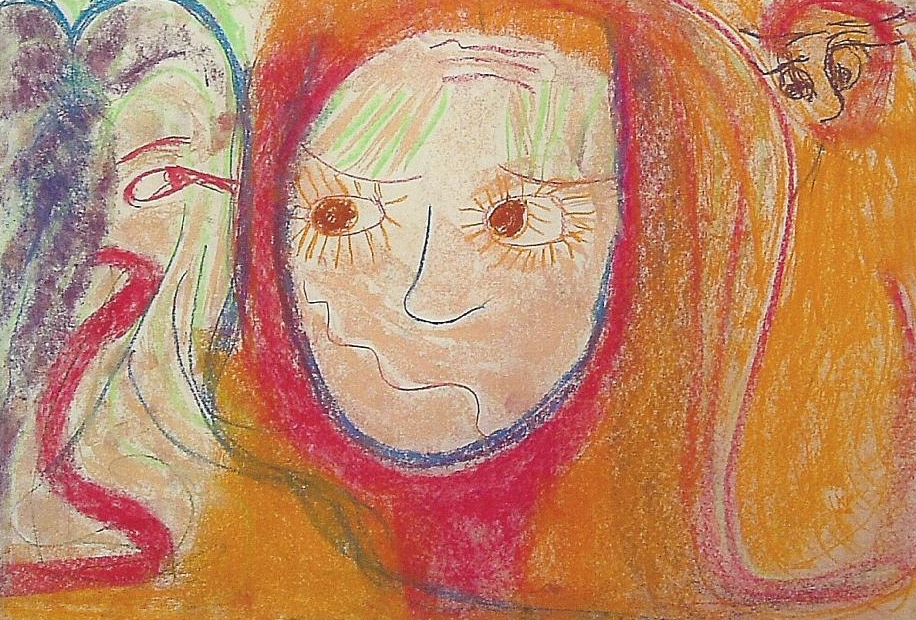
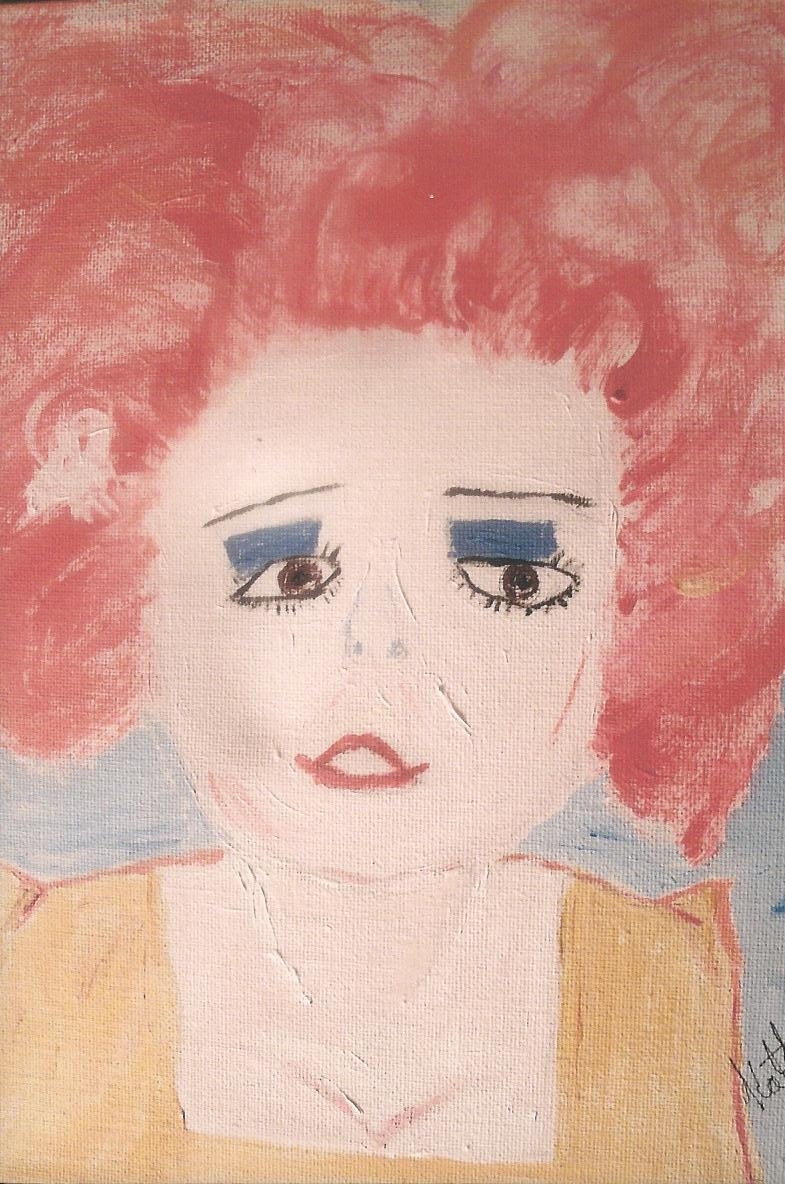
    “As a wheelchair user I have always been very interested in faces and bodies of people, especially how they move and walk. A lot of my paintings are of peoples bodies and faces.”Kathy Gibson

    Image
    Kathy Gibson, ‘Almost Smiling’
    Image
    Kathy Gibson, ‘Feeling Anxious’
    Image
    Kathy Gibson, ‘Hanging On’
    Image
    Kathy Gibson, ‘Hiding’

    Kathy’s website: www.kathygibson.co.uk

  • A Year of KDoutsiderart…

    A Year of KDoutsiderart…

    So, this January marks the first birthday of KDoutsiderart – an endeavour I originally began as a productive distraction from MA term paper writing and a way to reconnect with my love of outsider art that I seemed to have forgotten amidst writing papers on the more mainstream variety of art. I did not expect to still be blogging in a year’s time, and I certainly did not expect to find a whole world of outsider-art-enthusiasts out there. Talking to people (most commonly friends and family) about the blog in its first stages of production seemed to elicit the same response many times over; ‘is there that much to say about outsider art?’ I started to wonder how long I could write about this topic for – would anyone be interested? Did I know enough about it? Of course, I have since found out that many, many people are interested and outsider art is a topic that one doesn’t ‘need to know a lot about’ to ‘get.’
    I thought I would share these initial thoughts with you, and also note some of the things that the blog itself has taught me since its inception in January 2012.


    Where did the blog come from?

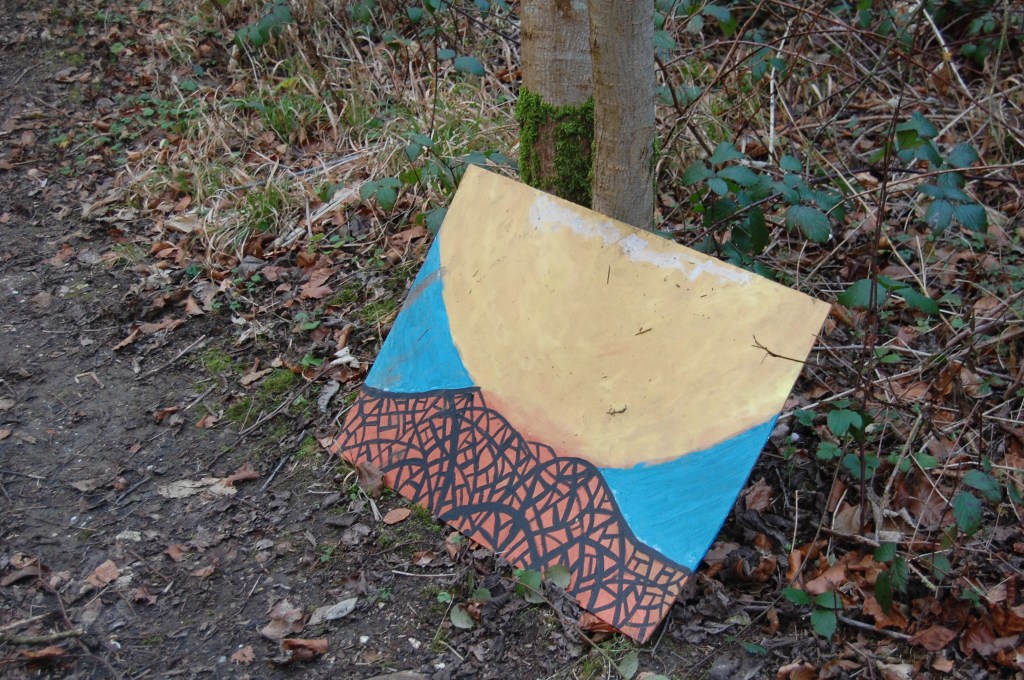
    The blog-idea initially surfaced after I had taken my dog for a walk in nearby woodland. During the walk, I had come across an open-air, unmanned art exhibition. I found works leaning against trees and hanging from branches and one thought crossed my mind – I had to show this earthly production to people. It was fantastic to see works in such an environment and it was even more fantastic in September when, via the blog, I found one of the artists who had taken part in the exhibition. The outdoor display had been a part of an MA dissertation called ‘An Unplugged Moment’ in which works were placed in the woods as a way to take art back to nature. My commitment to the blog peaked in summer 2012 when I began working with a couple of organisations aiming to promote and provide a platform for artists facing barriers to the art world.
    'Such Great Heights' by Faracy Moon Grouse
    ‘Such Great Heights’ by Faracy Moon Grouse

    What has the blog taught you?

    If you follow KDoutsiderart, you may have noticed that there are a lot of posts on my changing opinion on the world of outsider art and indeed the term ‘outsider’ itself (here, herehere, here and here). As part of my MA last year, I wrote my dissertation on the difficulties facing curators of outsider art, and the research I did for this kept bringing up new thought processes and angles surrounding the topic. One thing I perhaps would have changed after this research is the name KDoutsiderart. The term itself is becoming more and more outdated and pigeon-holey. The thing I perhaps enjoy the most about outsider art is that it cannot be pigeonholed; therefore, in essence, it does not need a name.

    Where do you stand on the subject now?

    Speaking now, in January 2013, although I still struggle to put it coherently into words, I think I can finally explain why I am so interested in this form of art. For me, much of the mainstream art world is based on business, money and commodity. Money is of course a necessity for anyone pursuing a career as an artist, but these are all words that, for me, damage what art should be. Outsider art has not developed out of previous art movements, and it has no distinctive formal or visual style. Outsider art is the epitome of art as an extension of the being; something raw and needed in many instances. For me, this is what art should be about. Art and creativity can come from anywhere, and take the form of anything, and outsider art very effectively illustrates this.

    The best bit about the blog?

    My favourite part of working on the blog last year was seeing all the work sent into me by artists hoping to get their work ‘out there.’ I really enjoyed creating a platform for artists who are perhaps side-lined from the mainstream art world for whatever reason, and I hope to continue to do this throughout 2013. There is now a page on the blog dedicated to artists who have appeared on it, and I think this is the blog’s greatest achievement in the last year.

    Outsider art in 2013

    In recent years, we have seen a much needed change in opinion from museums, the media and other institutions with regards to outsider art. This year, the Wellcome Collection will be exhibiting (for the first time in the UK) Japanese outsider art, and of course last autumn/winter we saw Pallant House Gallery’s ‘Outside In: National’, which so beautifully gave outsider art the space and curation it deserves within in an internationally renowned institution. The New York Outsider Art Fair will once again be taking place at the end of this month (be it under new ownership), helping to give outsider art the much needed professional and commercial respect it deserves.

  • The Nighthawk

    The Nighthawk

    I am always keen to hear from artists who would be interested in a blog post focusing on their work. Usually, I ask for an artist’s statement and a few images which they would like to showcase, but these guidelines are very flexible and I am open to suggestions. If you would like a post on your work, please do contact: kdoutsiderart@yahoo.com.

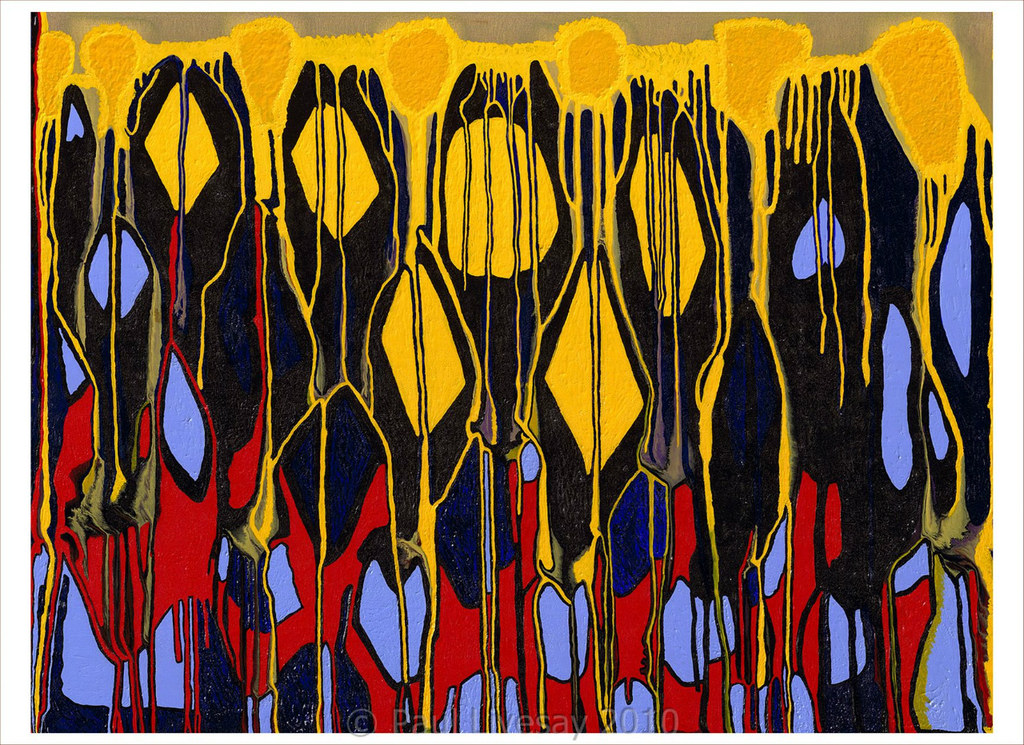
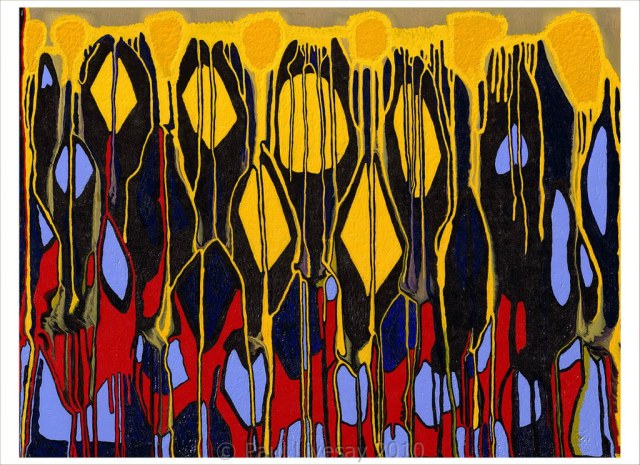
    This post will focus on the work of The Nighthawk (Paul Livesay).


    “I am a self taught (outsider) artist. My work is abstract expressionism and also conceptual, working with acrylic paint on canvas. I picked up my first paint brush in 2006 at the age of 48. I painted how and what I felt at any given time. My sources for my works were predominantly my heart and soul. I tried to project my raw, unbridled emotions in as pure and organic a way as truly possible. All my works are hand painted and in no way digitally modified. I hope that I succeeded and that you enjoy them.” – The Nighthawk. 


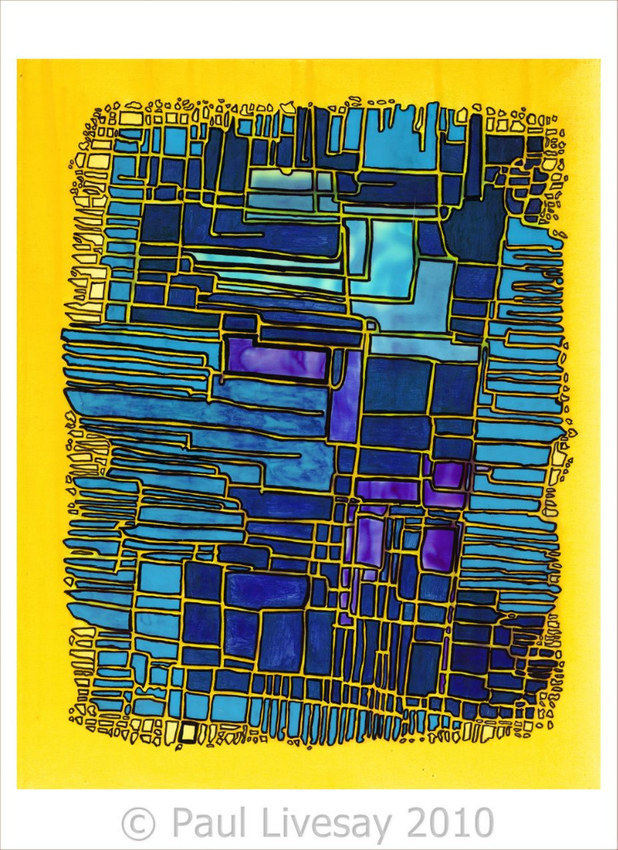
    The Nighthawk - 'Electric Acid Waterfalls'
    The Nighthawk, ‘Electric Acid Waterfalls’
    The Nighthawk - 'Nuclear Reaction'
    The Nighthawk, ‘Nuclear Reaction’
    The Nighthawk, 'Grieving in the Bamboo Forest'
    The Nighthawk, ‘Grieving in the Bamboo Forest’
    The Nighthawk, 'Golden Showers Bring Strange Flowers'
    The Nighthawk, ‘Golden Showers Bring Strange Flowers’
    The Nighthawk, 'Safe Harbours and Back Alleys'
    The Nighthawk, ‘Safe Harbours and Back Alleys’


    For more information on The Nighthawk’s work, you can visit The Archangel Project on Facebook


  • Donna Kuhn

    Donna Kuhn

    I am always keen to hear from artists who would be interested in a blog post focusing on their work. Usually, I ask for an artist’s statement and a few images which they would like to showcase, but these guidelines are very flexible and I am open to suggestions. If you would like a post on your work, please do contact: kdoutsiderart@yahoo.com.

    This post will focus on the work of Donna Kuhn.


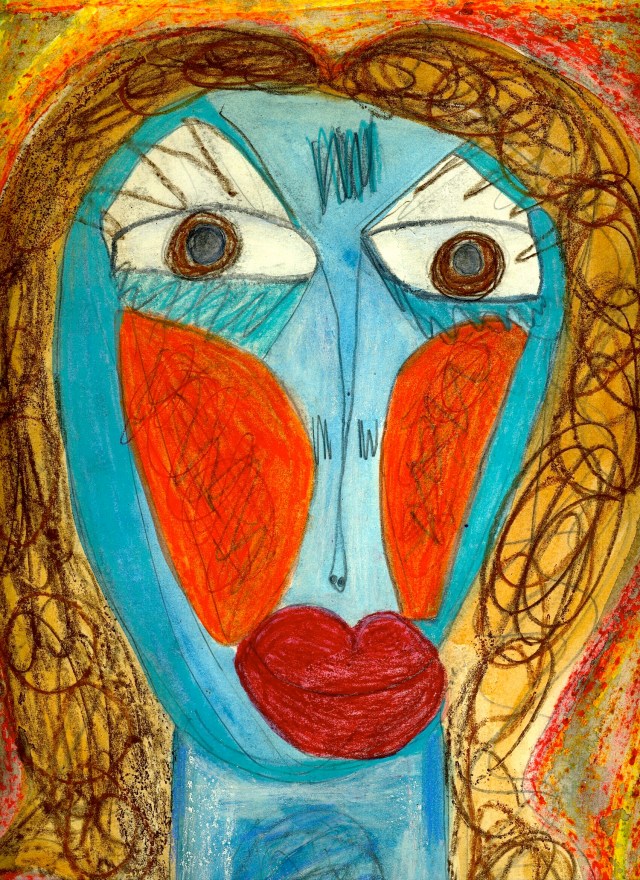
    “I make art because that is the only way life makes sense to me. A recurrent theme in my work is the face: semi-abstract, colorful and emotional. I don’t choose to draw these faces. Their forms just come to me. They jump off the page and stare at you. Dare to stare back.  I have tried to choose between media. I cannot. I feel fully engaged and alive when I’m creating. I’m a maker of images more than a storyteller. My work is about being a woman and an outsider. It has been described as playful, haunting, bold, whimsical, colorist, sad, poetic, mysterious and tense.” – Donna Kuhn.


    Donna Kuhn, ‘Unilateral Decisions’
    Donna Kuhn, ‘Dignity’
    Donna Kuhn, ‘I Fall in Love with my Pet Birds’
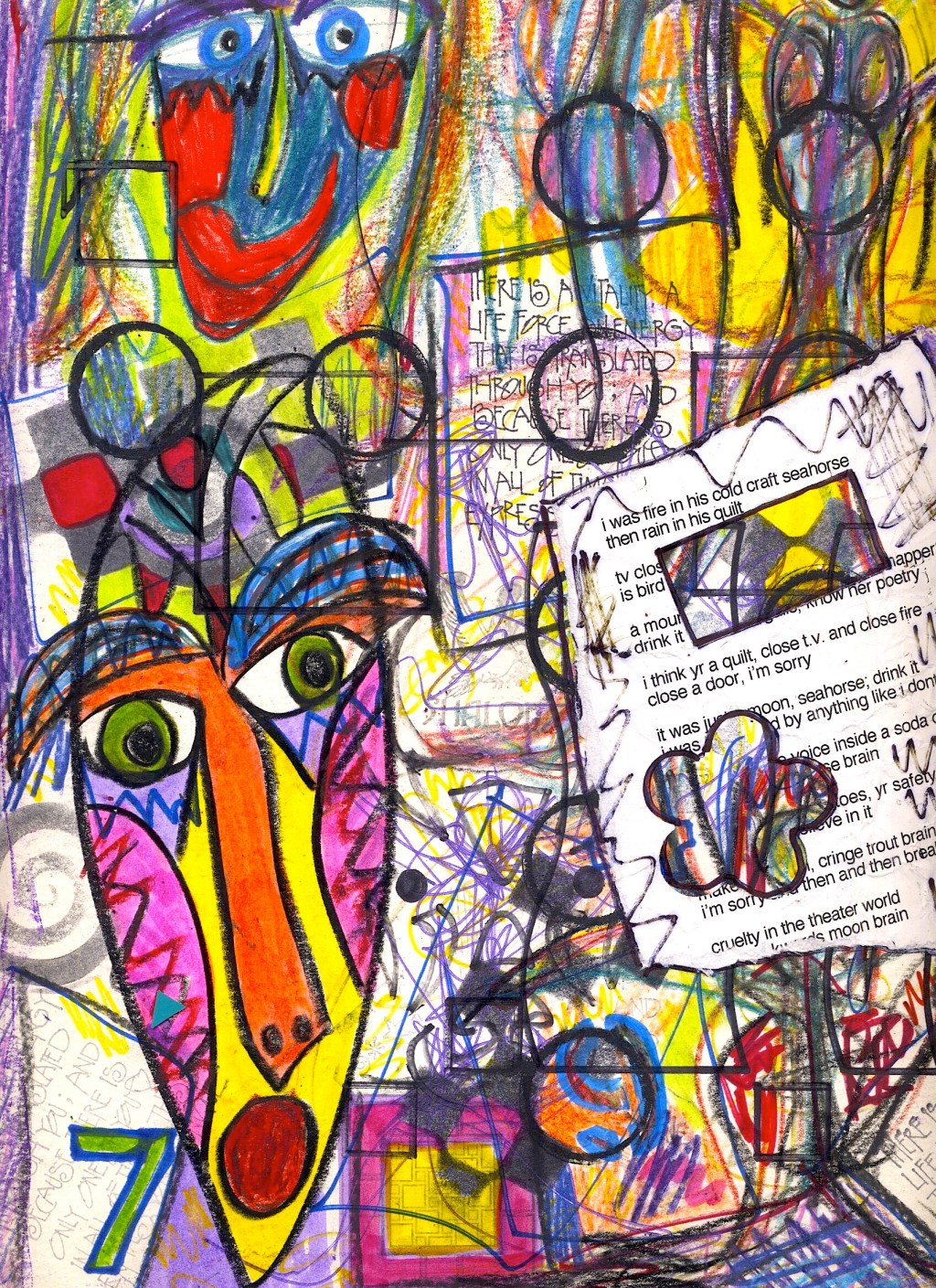
    Donna Kuhn, ‘Close a Door’

    See more of Donna’s work:
    picassogirl.tumblr.com
    facebook.com/donnakuhnart

  • Dan Casado

    Dan Casado

    I am always keen to hear from artists who would be interested in a blog post focusing on their work. Usually, I ask for an artist’s statement and a few images which they would like to showcase, but these guidelines are very flexible and I am open to suggestions. If you would like a post on your work, please do contact: kdoutsiderart@yahoo.com.

    This post will focus on the work of Dan Casado.


    “Nine years ago I established my home-studio in the volcanic island of El Hierro, one of the seven Canary Islands, selected by the UNESCO as a Biosphere Reserve. Here, I began making works transforming junk and found objects into pieces of art: paper collages and sculptural assemblages.

    I see recycling as a compromise and a lifestyle, giving a second life to old, discarded materials, reusing rejected objects to make new artworks.

    Reinventing human and animal forms, freely finding and showing the figures hidden inside found papers and materials, I wonder about human relations, the possibility/impossibility of communication, affections and illusions.

    Art is the tool to re-construct the world. Art is my key.” – Dan Casado


    Dan Casado, ‘Sunny Day’
    Dan Casado, ‘Talking with the Bird’
    Dan Casado, ‘The Mermaid’
    Dan Casado, ‘Volcano’
    Dan Casado, ‘White Sheets’
    Dan Casado, ‘Winged Couple’


    Visit Dan’s website for more information:

    www.dancasado.com