Hugest apologies for such a long absence. Life things have been happening over the past couple of years – including (but not limited to!) becoming a parent and getting my head down to finish my PhD. After six long years, I have now finally completed my PhD research and I am really excited to share this with you over a number of posts on this blog. Please do comment or contact me if you’d like to join in the conversation. I’d really like for this to be a shared space to reflect, ask difficult questions and utlimately look towards reshaping the systems and structures that continue to make the UK art world incredibly exclusive.
Over the past six years (and longer, really), I have been delving into the complexities of how outsider artists are perceived and positioned within the broader art world. This journey has been both enlightening and, at times, disheartenig.
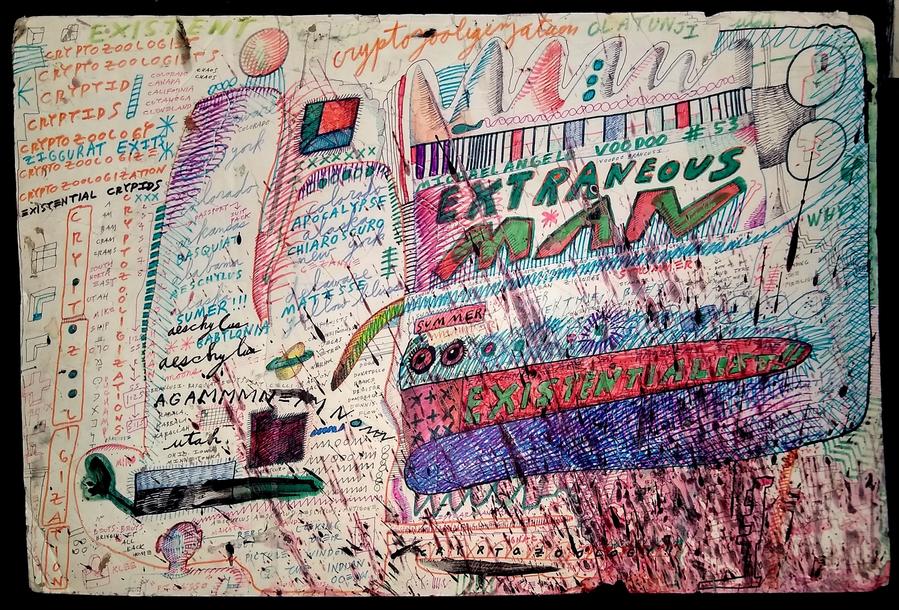
Outsider artists – those who create outside of the conventional boundaries of the mainstream art world – often produce work that is raw, emotive and deeply personal. Yet, despite apparent increasing interest in their creations, these artists continue to remain on the periphery of recognition and inclusion.
Through interviews and conversations as part of my research, I encountered a recurring theme: a tension between appreciation and marginalisation. Many artists expressed a sense of being celebrated for their uniqueness whilst simultaneously feeling excluded from meaningful participation in the art community.
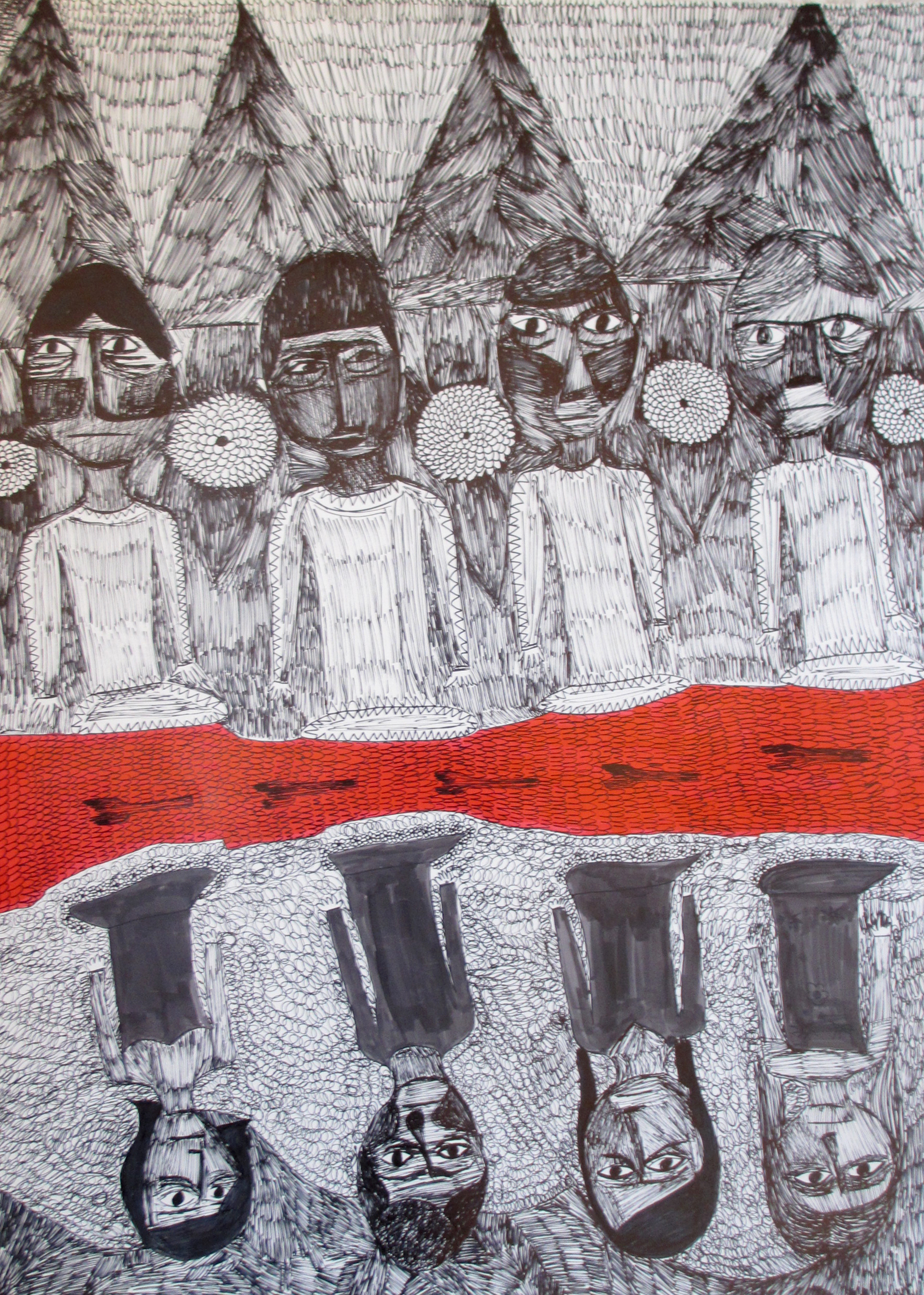
The reseach’s main purpose was to explore the key factors that continue to affect the reception of outsider art in the UK cultural mainstream, keeping it on the periphery. These are (in summary, and I will explore them all further in upcoming posts): contestation and confusion around the term outsider art; outsider art’s relegation to peripheral spaces (physical – like community galleries, and conceptual – e.g. within the arts and health agenda); lack of diversity amongst decision-makers in the cultural sector; and, more overarchingly, the traditional and inherently exclusive system that is the art world machine. The research has found that there is an illusion of inclusion in the art world, and that in fact when we dig a bit deeper, there are micro relegations of outsider art that mean it continues to not be seen or valued on the same level as mainstream art.
In the next few blog posts I will share some of the insights from my research, and I hope that together we can explore the systemic barriers that persist within the UK art world and collaboratively consider pathways towards a (truly) more inclusive and equitable art world.
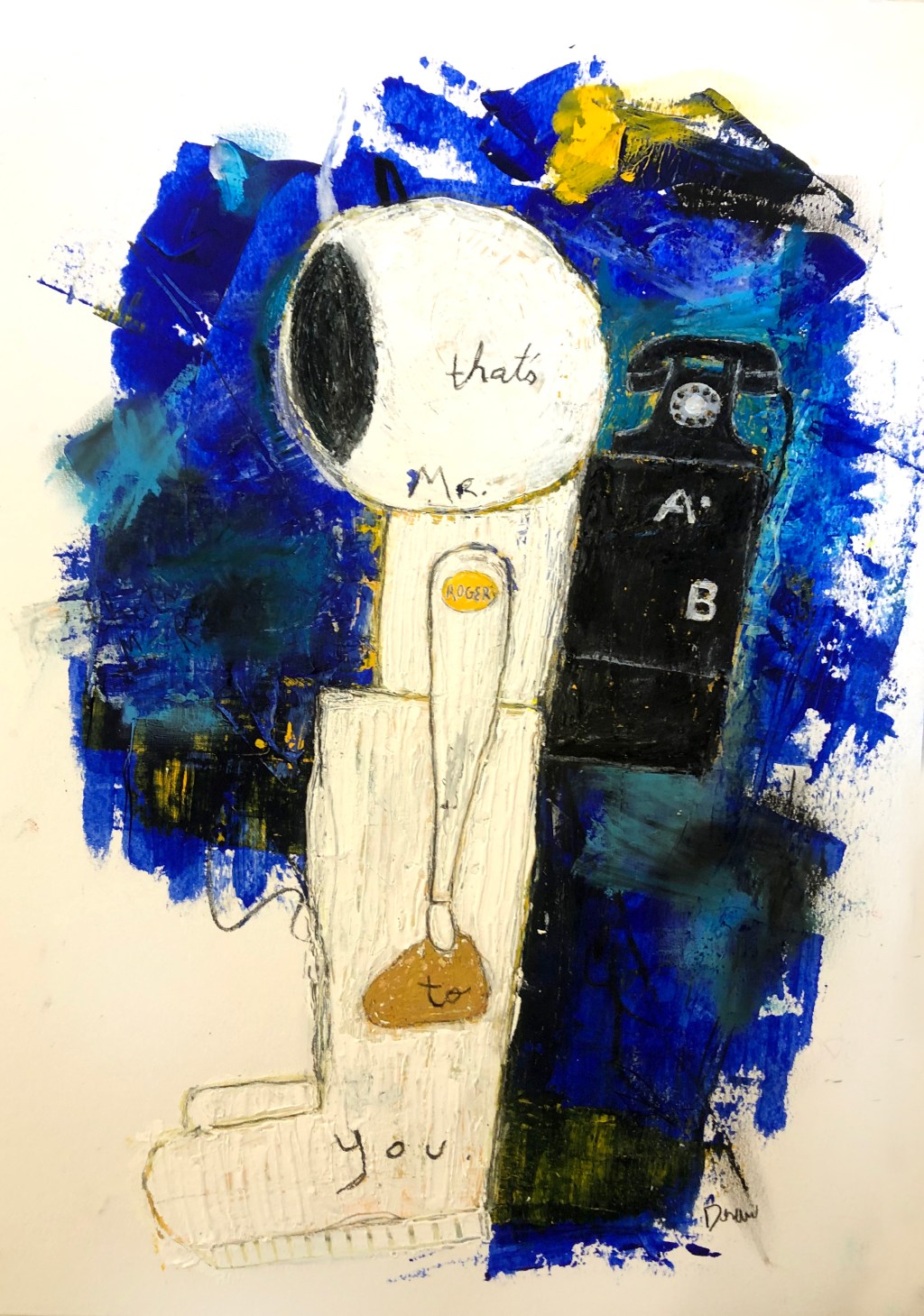
(Featured image: Drew Davies, Mr Roger)


 KDOA
KDOA 
Leave a comment