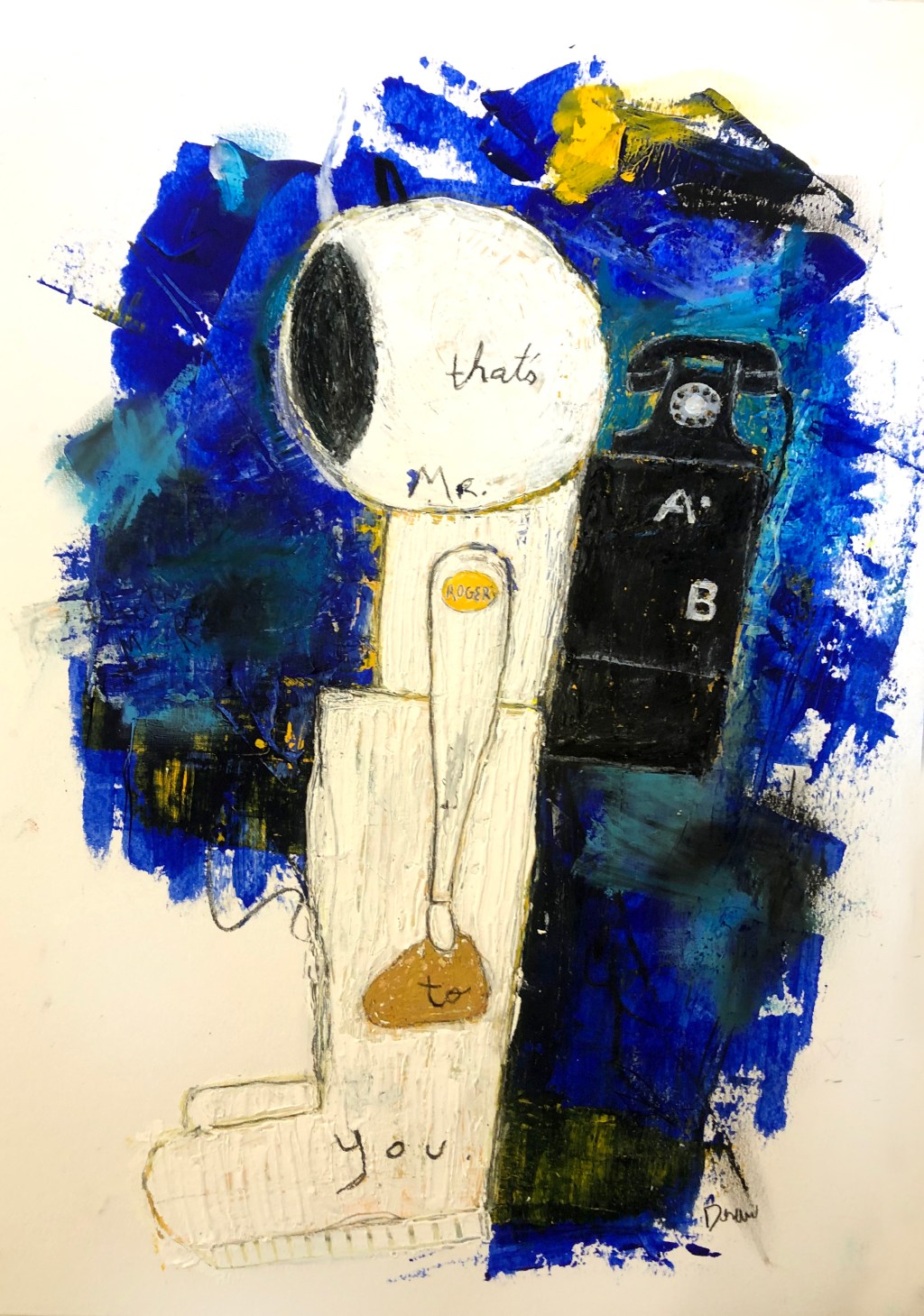
Hugest apologies for such a long absence. Life things have been happening over the past couple of years – including (but not limited to!) becoming a parent and getting my head down to finish my PhD. After six long years, I have now finally completed my PhD research and I am really excited to share this with you over a number of posts on this blog. Please do comment or contact me if you’d like to join in the conversation. I’d really like for this to be a shared space to reflect, ask difficult questions and utlimately look towards reshaping the systems and structures that continue to make the UK art world incredibly exclusive.
(more…)Tag: self-taught art
-
Artist Showcase: Michel Meraud
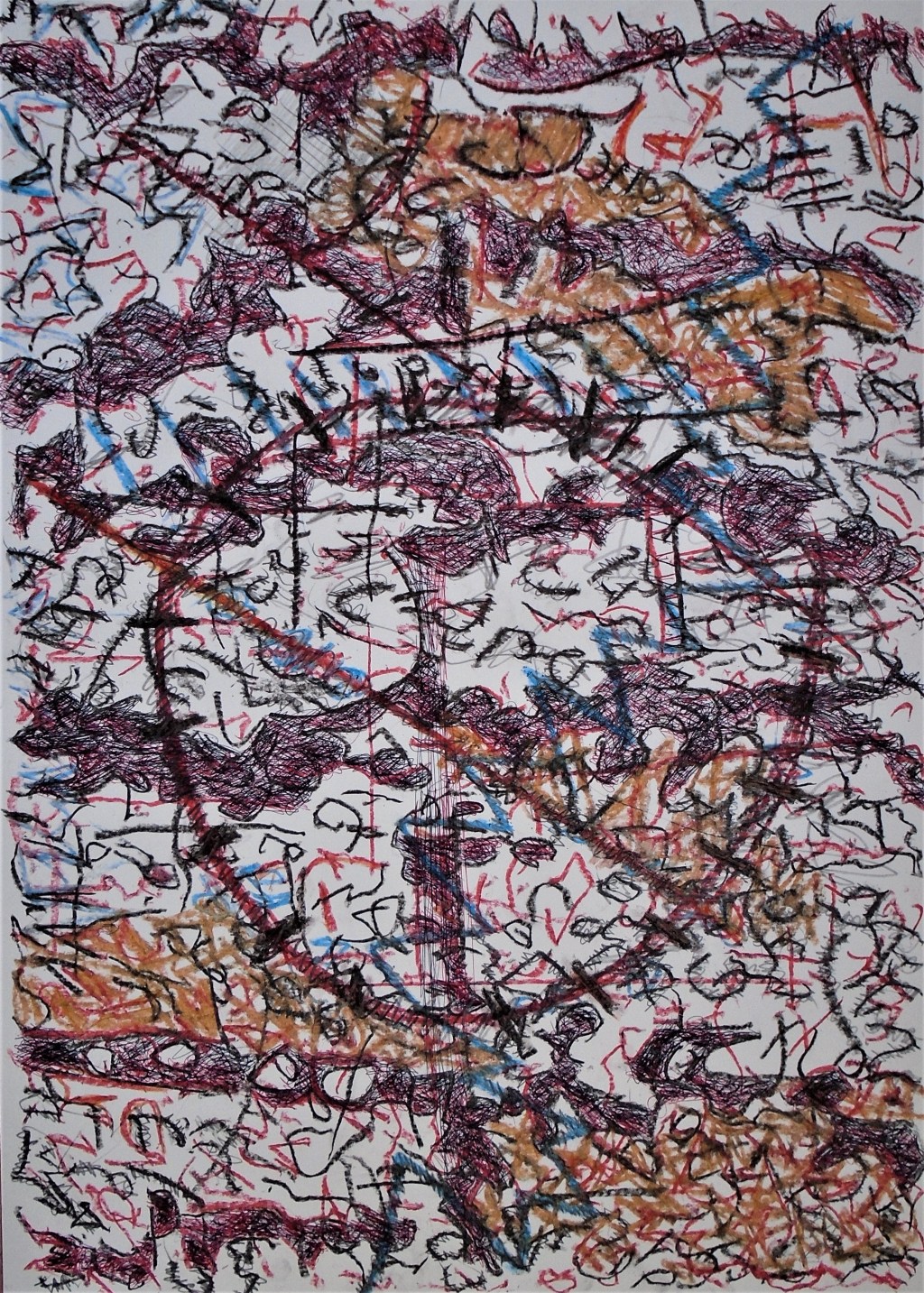
This latest artist showcase brings you the intricate work of self-taught French artist Michel Meraud.
(more…) -
Artist Showcase: Jon Sarkin
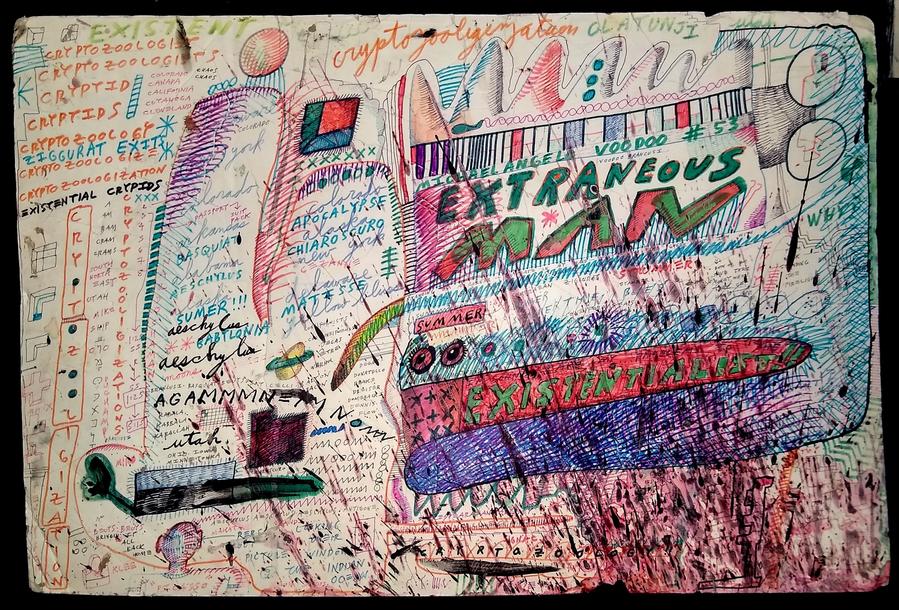
This Artist Showcase features the wonderfully diverse work of American self-taught artist Jon Sarkin. Below, you can read an interview with Jon about his work, or watch him talking about it in a video. Scroll down even further to view a curated selection of Jon’s works and find a link to his website.
(more…) -
Curtis Fairley: Animals and Inventions
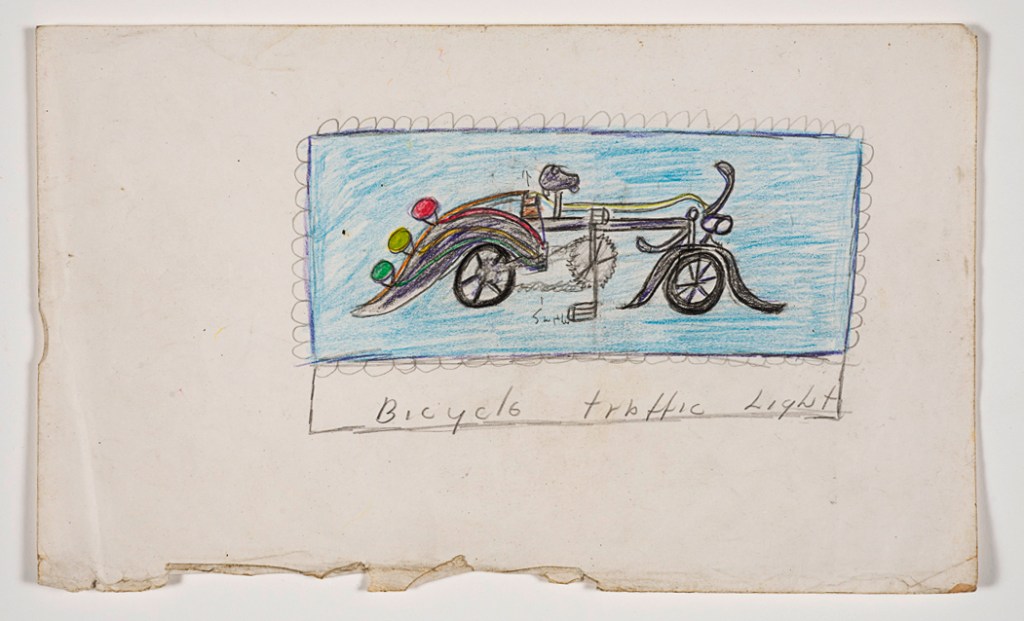
This is the final installment in a series of posts introducing American artist Curtis Fairley. In this post, collector and supporter of Fairley’s work, George Lawrence, will focus on Fairley’s depictions of animals and inventions.
.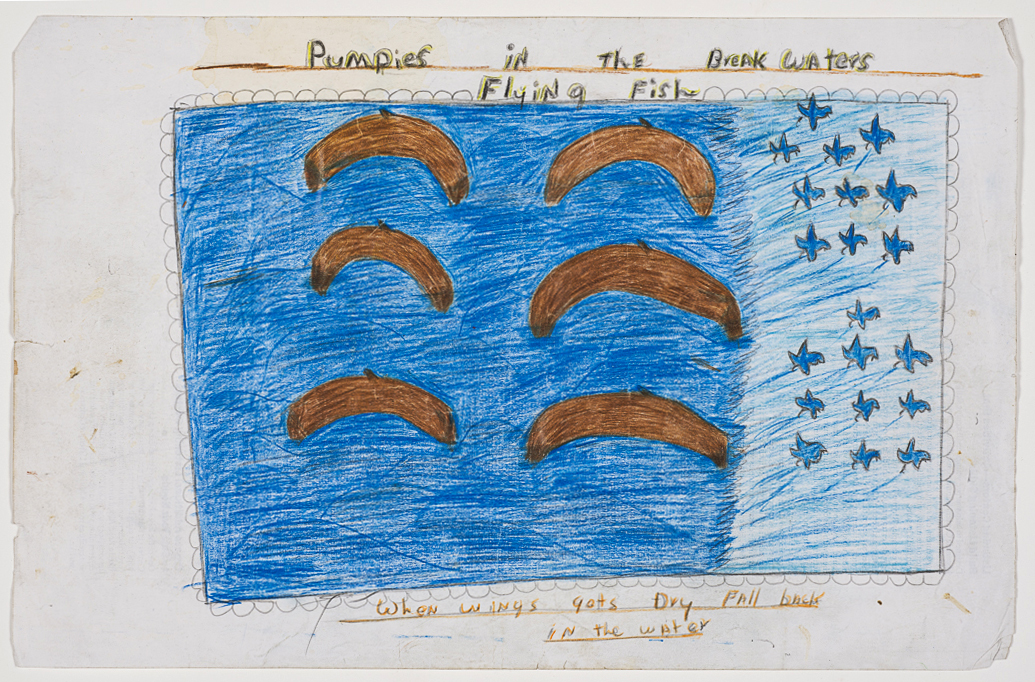
Image 30 – Pumpies in the Breakwaters – Flying Fish ‘
Image 31 – 1987 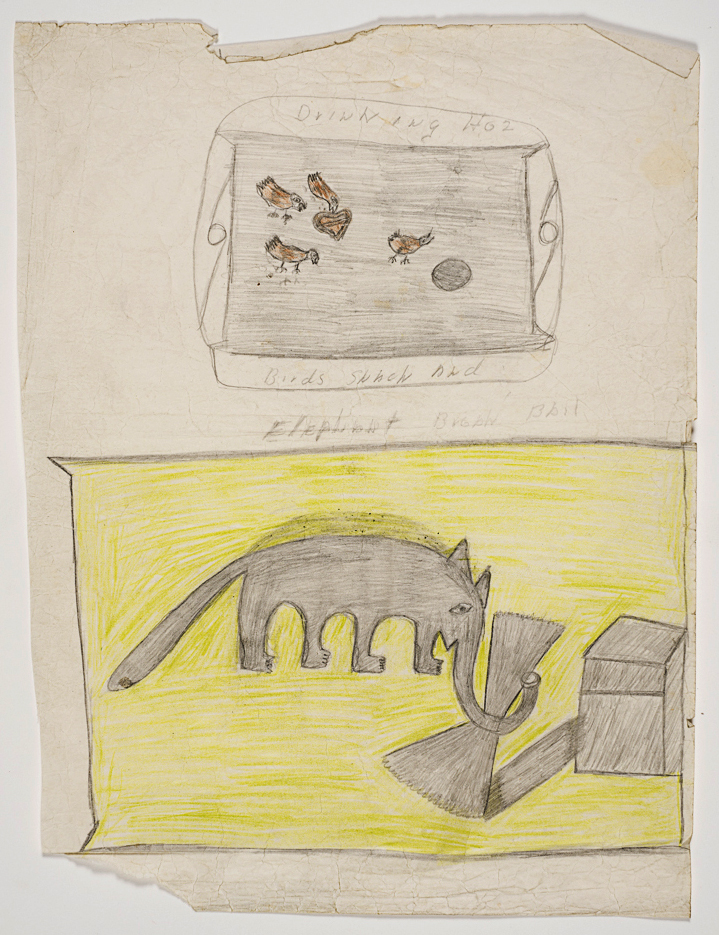

Image 33 – Cat Pulls 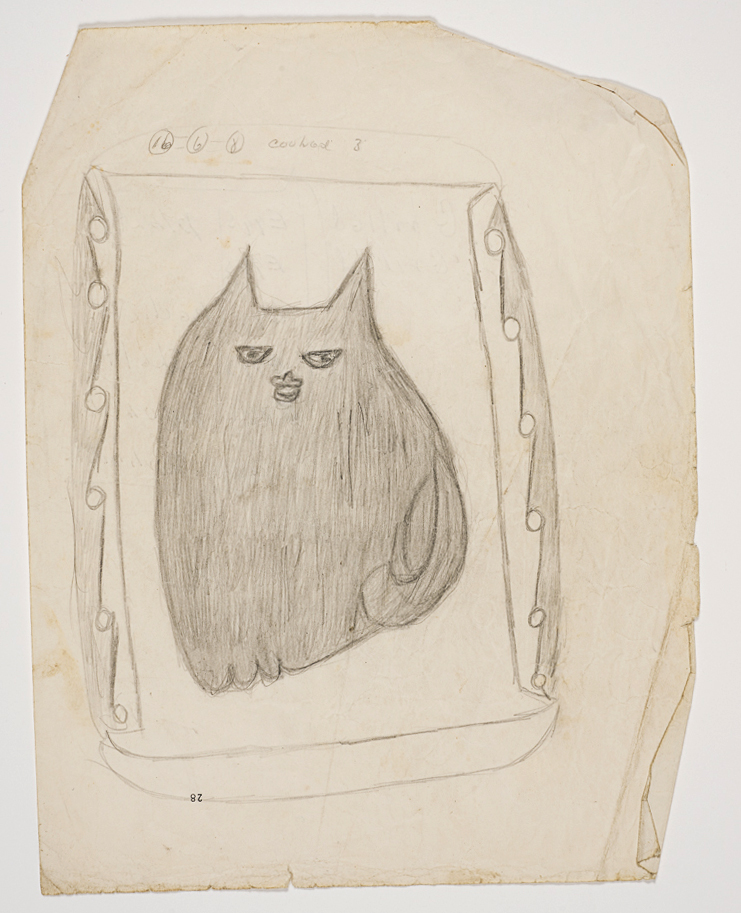
Image 34 – Cat 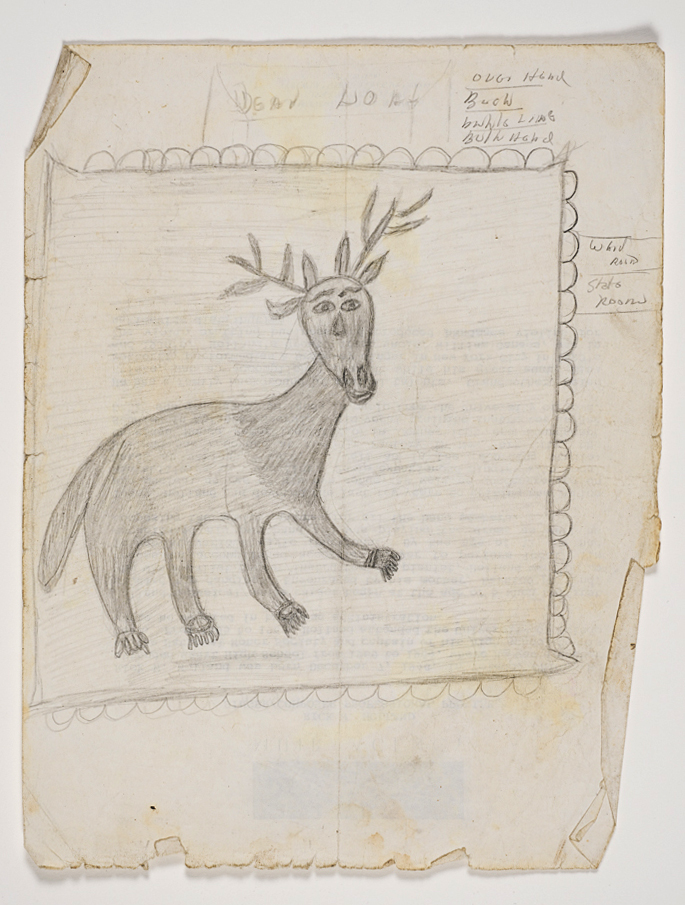
Image 35 – Deer 
Image 36 – Starfish
..
Image 37 – Bicycle Traffic Light 
Image 38 – Windmill Powered Oven 
Image 39 – Windmill Powered Oven and Traffic Bicycle 
Image 40 – Knock Abouts This is the final installment of a four part series focusing on American artist Curtis Fairley. To read the previous posts in the series, please visit the links below:
-
-

Curtis Fairley: Life in the Navy
This is the second part in a series focusing on the work of Curtis Fairley through an interview with George Lawrence. This post looks in detail at Fairley’s insightful interpretations of his life in the US Navy.
3. Fairley and the naval works
Kate Davey: Fairley’s work expands across a range of subject matter – from images of food preparation and recipes, to animals and nature, to inventions, but perhaps his most intriguing work is that which relates to his life in the US Navy. His depictions of life in the Navy, including submarine bases, Navy ships, self-portraits in uniform, and specific Naval missions are fascinating both from an aesthetic and historical perspective. Unlike many of the most well-known outsider artists, for example Madge Gill, Martin Ramirez or Henry Darger, Fairley doesn’t conjure a new reality with his work. Instead, his work is almost a rigorous documentation of a certain period in his life. You’ve done some research into his ‘Navy’ works, could you tell us a bit more about what you have discovered during this research, and share with us some of your insight into these interesting pieces?.George Lawrence: You’re right Kate – it seems that Fairley’s time in the Navy carved the memories that were the most vivid in his mind. He was able to put them down on paper many years later with amazing detail..I am not an expert on the US Navy, but as I said earlier, I was able to obtain Fairley’s naval service record from Freedom of Information Act documents. It shows that he entered the Navy at Birmingham, Alabama in December of 1945. He would have just turned 18 years old. World War II had just ended in August of that year. From that date, he served a total of 31 years, from 1945 to 1966 in active duty, and then from 1966 to 1976 in the Naval Reserve. It makes sense that the Navy experience would have been the central subject of his “memory drawings.”.Fairley’s rank is listed as “MS1” which stands for “Mess Attendant Specialist Petty Officer First Class.” Among the decorations and awards listed in his record are the Armed Forces Expeditionary Medal (Vietnam), The World War II Victory Medal, the Asiatic-Pacific Campaign Medal and the European-African-Middle Eastern Campaign Medal..Two of the drawings are self-portraits in Navy uniform. In both drawings Fairley’s uniform shows the three red chevrons on the right arm that indicate ‘Petty Officer First Class.’ The ‘SP’ on the hat and left armband indicate that he was assigned to ‘Shore Patrol’ duty.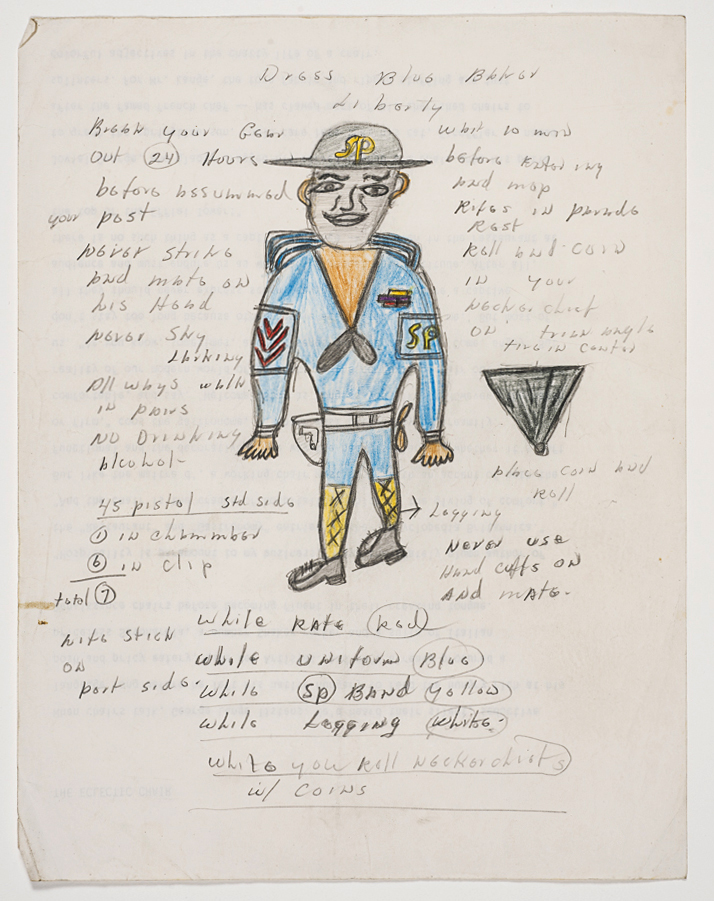
Image 6 – Curtis Fairley, Self Portrait In Image 6 Fairley lists some of the duties associated with the Shore Patrol position. (note: Fairley often uses the word “and” for “a”).“Never strike and mate on his head.Never sky larkingAlways walk in pairsNo drinking alcoholNever use hand cuffs on and mate45 pistol std (starboard) side… nite stick on port side”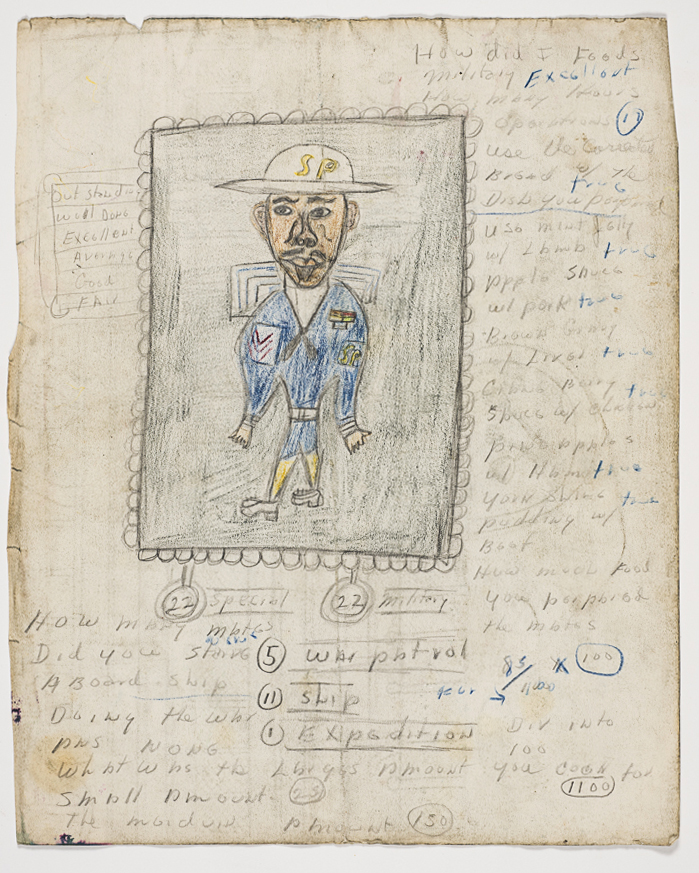
Image 7 – Curtis Fairley, Self Portrait Image 7 has some humorous and informative notes about his demanding job as a mess attendant, posed in a question-answer form..“How many mates did you starve aboard ship during the war? Ans (answer) – None.What was the largest amount you cook for? – 1,100Small amount? –25The medium amount? – 150”.These two drawings demonstrate the amount of information and historical detail that can be gleaned from many of Curtis Fairley’s sketches. I’m sure that someone with a more thorough knowledge of the Navy would find details that I have missed..From 1945 to 1966 Landry served on 11 different ships according to the notes in his drawings. I was able to identify eight of them from his naval record – four aircraft carriers: USS Philippine Sea, USS Leyte, USS Kearsarge and USS Sicily; one submarine tender, USS Gilmore; two guided missile cruisers, USS Providence and USS Topeka; and one destroyer tender, USS Frontier. His longest posting was with the USS Gilmore from 1950 to 1957.
Image 8 – Curtis Fairley, USS Philippine Sea Fairley’s initial assignment in 1947 was aboard the aircraft carrier USS Philippine Sea whose first mission was as part of a major expedition to Antarctica called ‘Operation Highjump.’ Image 8 may be his drawing of that aircraft carrier because of the notes at the top of the drawing that read ‘Plank Owner’ and ‘Holy Stone Ship.’ The naval term ‘Plank Owner’ indicates that Fairley was a member of the first crew aboard a newly commissioned ship (USS Philippine Sea was commissioned in 1946) and ‘Holy Stone Ship’ is a term for a ship with a wooden (teak) deck. Apparently most US Navy WWII aircraft carriers were still being built with wooden decks..Other notes on the drawing include a listing of the oceans that he has crossed:.“Paciffic (sic) 5 years, Atlantic 2 years, Arctic, An Arctic (sic), Indian.”.And the destination of Operation Highjump: “South Pole Operations, Little America”The circumstances surrounding “Operation Highjump” deserve a mention. One year after the end of the Second World War, thirteen Navy ships, multiple aircraft and 4,700 men took part in a US Navy expedition to Antarctica led by Rear Admiral Richard E. Byrd. The official objectives of the mission included establishing an Antarctic research base, testing equipment in frigid conditions, and extending US sovereignty over the Antarctic continent. However, a quick internet search will reveal a wealth of websites that put forth theories of more sinister objectives, involving everything from hunting down a secret Nazi military base to UFO sightings and encounters with flying saucers!.Unfortunately, none of Fairley’s drawings offer clues to these mysteries. However, one drawing (Image 9) illustrates an interesting initiation ceremony that took place on board when the USS Philippine Sea crossed the equator en route to Antarctica.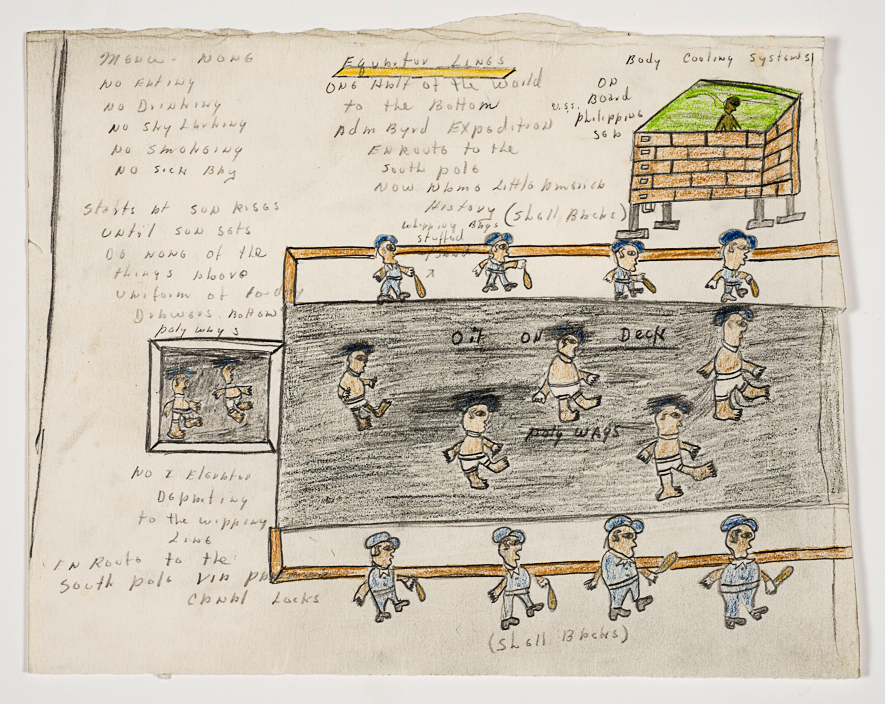
Image 9 – Curtis Fairley, Crossing the Equator Fairley illustrates the ceremony with lots of explanatory notes in the margins. Sailors who had never crossed the equator were considered ‘Polywogs’ and had to undergo a day-long ordeal in order to become ‘Shell Backs.’ The Polywogs in the center, wearing only their underwear, are on an area of the deck bearing the note “oil on deck.” The Shell Backs, in uniform, form a whipping line on either side. A note next to one Shell Back reads “wipping (sic) bags stuffed with sand.”.Fairley gives a description of the day’s events for the unfortunate Polywogs(note: spelling is as written):.“Menu-none, No Eating, No Drinking, No Skylarking, No Smokeing, No Sick Bay – Starts at sun rises until sun sets – Do none of the things above – Uniform of today, drawers, bottoms –No.1 Elevator departing to the wipping line – En route to the South Pole via Panama Canal locks.”.The text at the center of the drawing describes the expedition:.“Equator Lines, One half of the world to the bottom, Adm Byrd expedition en route to the South Pole now name Little America-History, On board U.S.S. Philippine Sea.” The tank filled with green water at the top right is labeled “Body Cooling Systems.”.From this dramatic entry into Navy life, Mr. Fairley proceeded to serve on a succession of Navy ships. Some of them found their way into his drawings.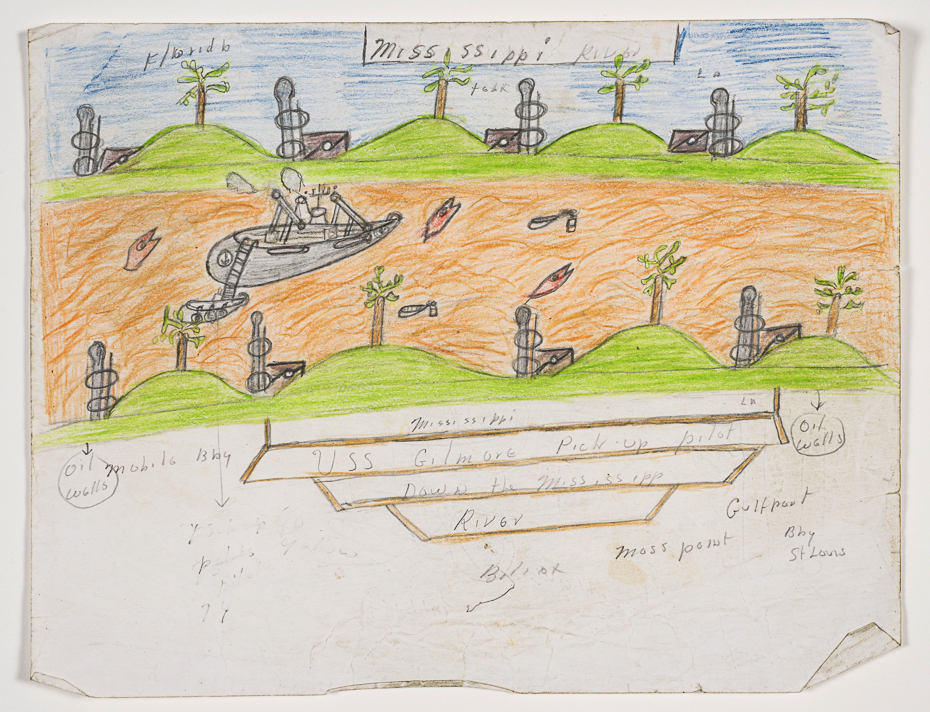
Image 10 – Curtis Fairley, USS Gilmore Pick Up Pilot Down the Mississippi River Image 10 has the title ‘USS Gilmore Pick Up Pilot Down the Mississippi River.’ The USS Gilmore was a Submarine Tender, a type of ship that supplies and supports submarines. Landry was a crewman on this ship for 7 years. Not surprisingly a number of the drawings illustrate this involvement with the submarine force. Titled ‘Home of Sub Force, Groton, Conn,’ image 11 shows the bay with what looks like two subs docked and one in a kind of dry-dock. Mr. Fairley must have spent some time in the area because he also created drawings of two of the nearby landmarks.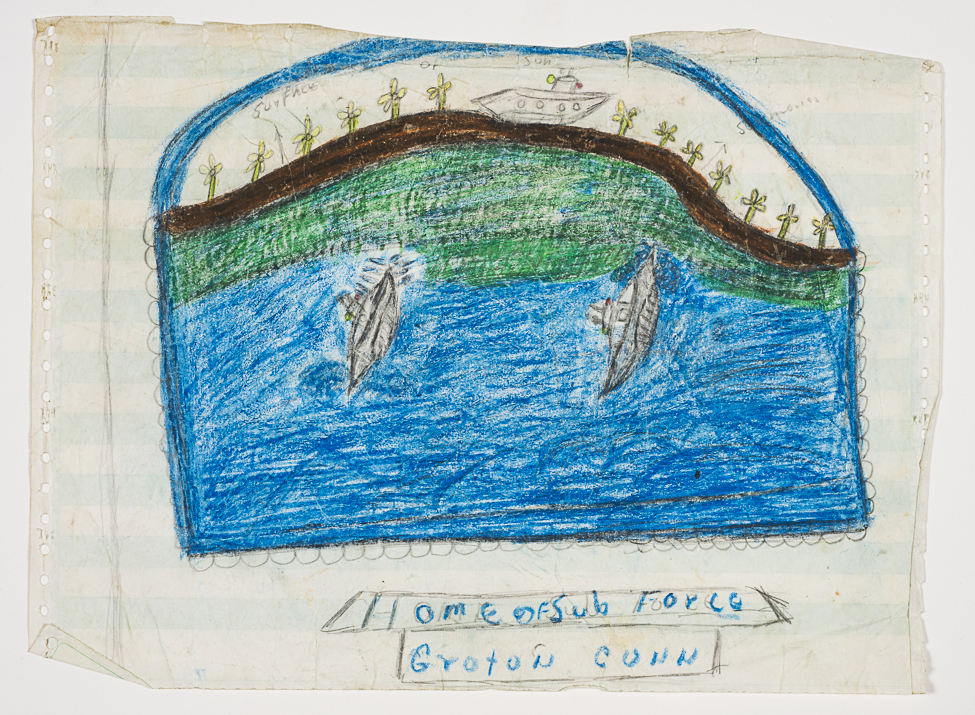
Image 11 – Curtis Fairley, Home of the Sub Force Groton Conn I was able to identify Fairley’s memory drawing of a lighthouse as the Avery Point Lighthouse (Image 12) because the drawing captures the characteristics well enough that recognized it in a photo that I found of the actual lighthouse, still standing on Avery Point in Groton (Image 13). The mysterious eclipsing sun that he added to the scene appears in several of his drawings. It was also easy to identify the Escape Training Tower at Groton from Fairley’s simple sketch (Image 14). The tower was in use from 1930 to 1994 to train scuba divers to access or egress a submarine during special operations (Image 15). The tower has since been demolished.
Image 12 – Curtis Fairley’s Lighthouse 
Image 13 – Avery Point Lighthouse 
Image 14 – Curtis Fairley, Groton Conn 
Image 15 – Escape Training Tower Recently in my research I discovered that two of the ships, the USS Providence and the USS Topeka were equipped to fire surface-to-air missiles. Landry served on those ships during the Vietnam War, from 1959 until 1965. Looking back, I think this explains one of my in-person encounters with Mr. Fairley..Seeing him at work on the street one day, I noticed that he was intent on a drawing that a first glance seemed abstract – fiercely drawn with intense strokes – blendings of red, yellow and black. Looking closer I saw that the drawing was of a missile firing as if viewed from above. It was difficult to imagine how that point of view would have been possible. The following day I happened to see him again. He had produced another drawing that was almost identical to the first powerful image, as if he was still immersed in his memory of the event (Images 16 and 17).
.Not long ago I came across the photo in image 18 of the firing of a Tomahawk missile from the deck of the USS Farragut. The similarities to Fairley’s drawing are remarkable, including the circular red markings on the deck indicating the missile area.
Image 16 – Curtis Fairley, Missile Firing 1 
Image 17 – Curtis Fairley, Missile Firing 2 
Image 18 – Missile Firing Click here to read further posts about Curtis’ life and work.
-

Artist Showcase: Darrell Black
This artist showcase introduces the work of Darrell Black. Black was originally inspired by space and science, but his creative journey has taken him on a path of simplification and ‘stripping back.’ Keep reading for a Q&A with Black about his work and his life as an artist, as well as a selection of images of his work.

The Promised Land When did your interest in art/crating begin?My interest in Art began early in childhood, growing up my parents had a miniature sculpture of artist Rodin’s ‘The Thinker’ and abstract paintings by various artists on the wall. At the time I never took any real interest in it, but what I loved was space and anything to do with science. I created as a child, spacecraft including futuristic worlds and cities using any and all household items I could find: utensils, clothes pins and tools. Anything I could find to feed my fantasy this was my first introduction into art without realizing it but my main focus was always science.

Moonlit Metropolis What is your starting point for each piece?When I decide to start on a work of art my mind is clear, free of all worry and thought. I start on a canvas from every direction and within the throes of creation, I am a mere spectator. My advice: let your hands do what they do in the creating process, you the artist are only a spectator. The job of the artist is to clean up the mess left behind by creation, fine tuning the image by adding color, defining lines that make up the painting; fixing things up.
The Sacrifice Who or what influences your work?The influence on my artwork comes from traditional and non traditional sources. I take inspiration from everyone and everything incorporating the person or object’s mental or physical state in my creations. For example, learning about the personality of Picasso, researching all the tragedy and agony he caused to friends and family; the personal problems of artists like Rothko, Pollock and Basquiat; the struggles of Winston Churchill to defeat the Nazis and win the war against tyranny; the scientists of the Manhattan project beginning from scratch to create the atom bomb; Dr. Frankenstein’s determination to create a monster – all of this struggle, hardship and commitment to succeed against all odds gives me the incentive as an artist to create new and innovative work.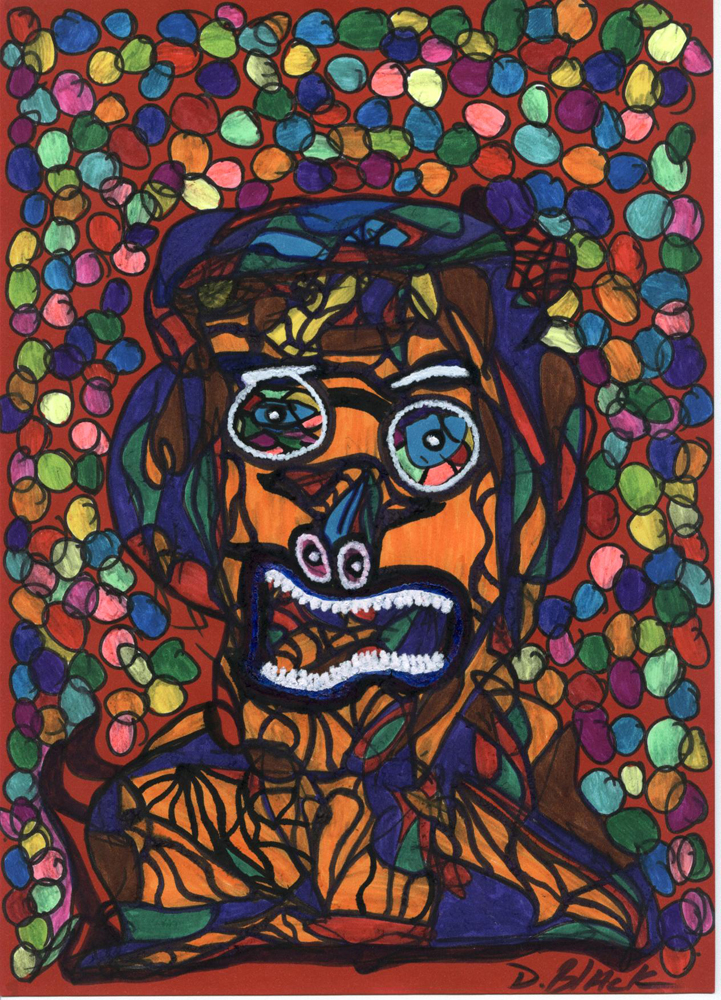
A Really Bad Trip What do you hope the viewer gets from your work?The hope is to confront the viewer with a question, and for each person to come up with the same or a different answer. That for me as the artist is very interesting, since there is no right or wrong answer, just a different perspective or another way of seeing the world.
Formulation of Human What do you think of the term outsider art? Is there a term you think works better?Personally speaking I think the term ‘Outsider Art’ is a bit outdated and in some way self-defeating. I think the word creates a secondary class of artists whose creativity is seen by others in the art world as being more infantile than substantive, denying many worthy self-taught artists their rightful place in the pantheon of art along side well-known and established artists. I think the term self-taught artists or creatives works best.
The Path to Sanctity What are you working on at the moment?I’m presently working on large canvases in a multitude of languages. They express the problems and hopes of many people in certain parts of the world using mere color and writing in an attempt to show our basic similarities, helping to create mutual respect between cultures, and merging all spoken word into one universal language of understanding and acceptance for everyone.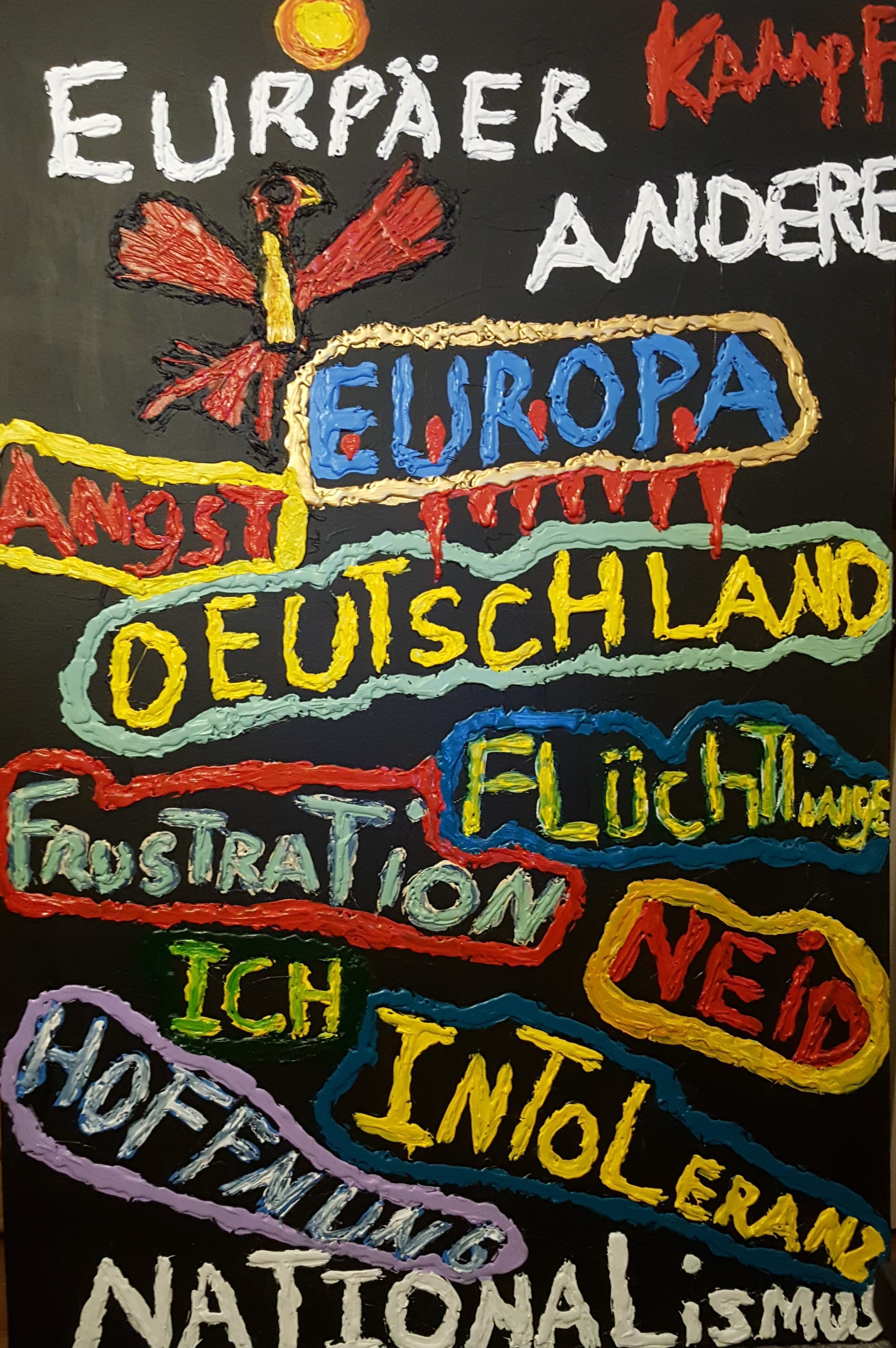
The State of Europe Where do you see your work taking you in the future?My artwork has always been a journey of self-discovery. My images began with simple patterns and colors, resulting in more complex and recognizable objects and figures, but after learning so much about many artists and their approach to art, I realized that stripping away from a work of art – simplifying creation to its vary basic elements – might be the key to great works of art.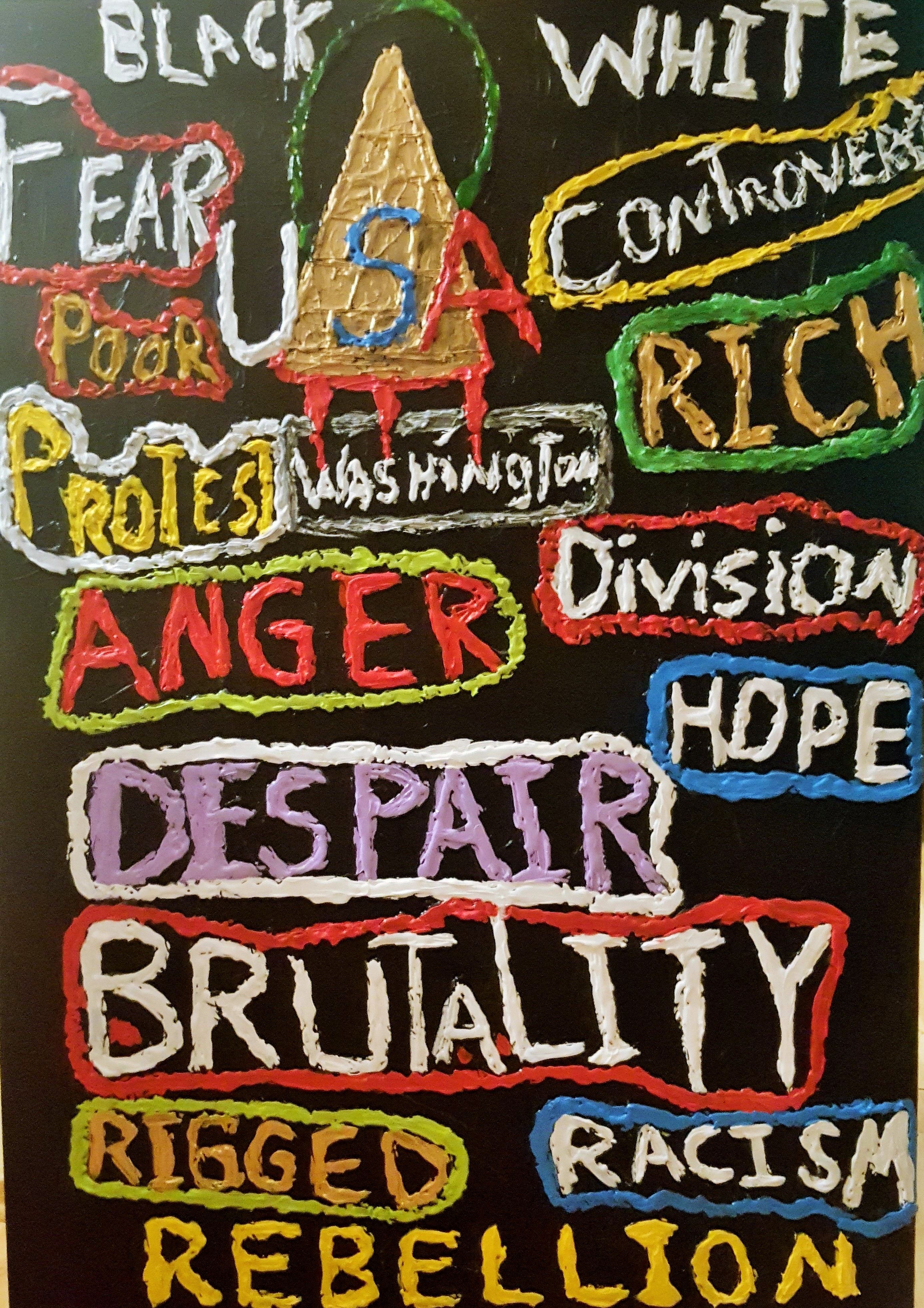
The State of America -

Artist Showcase: ColdMountainGypsy
This artist showcase features the work of ColdMountainGypsy whose folkloric work is inspired by poetry, stories and dreams. If you would like to see a showcase of your work here on kdoutsiderart.com, please email kdoutsiderart@yahoo.com with a few examples of your art.
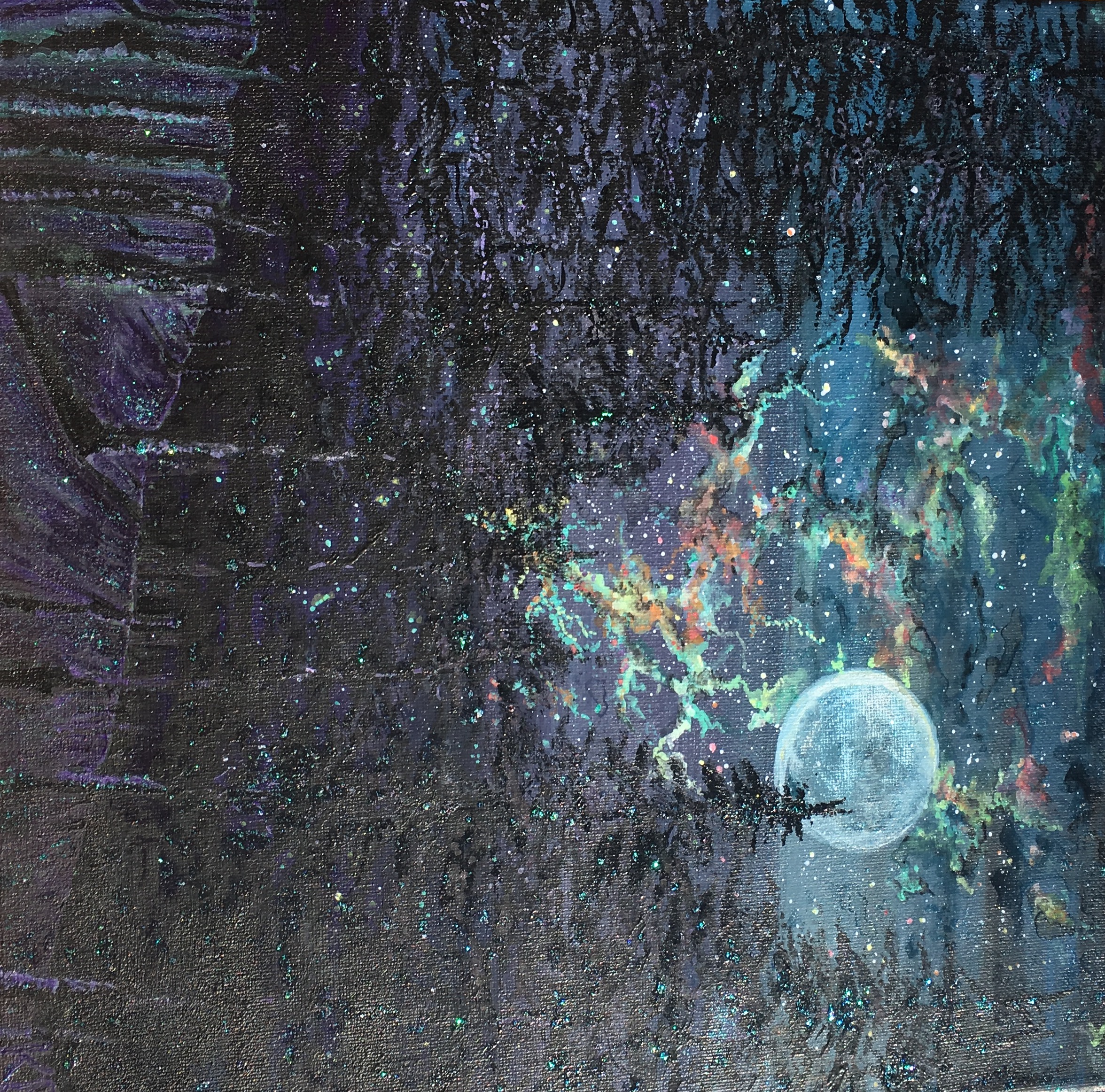
Aurora When did your interest in art/creating begin?
I have loved art since I was able to grasp a crayon. My bedroom as a child was adorned with sketches of my beloved cat and dog. As a child my gifts to my family were always art. I often sent drawings to my grandparents when asked to write to them. I found art to be my letter, my thoughts, my little messages. Art even as a child gave me escapism, unbinding creativity and utter happiness. Art has always given me a voice, comfort, solace.

Eternity What is your starting point for each piece?
The starting points from my art are always different. My muses appear when they wish. Some are inspired through reading, some through nature, and some in dreams.

May the Forest be With You Who or what influences your work?
My influences are many, so in short: Pappa (GOD) my mother, my father, my husband, my brother, daughter, my fur babies, Cold Mountain, Forests, Poetry, Comics, the stars and the heavens, creatures great and small, angels, folk stories… even my stories or dreams. I write and dream lots.
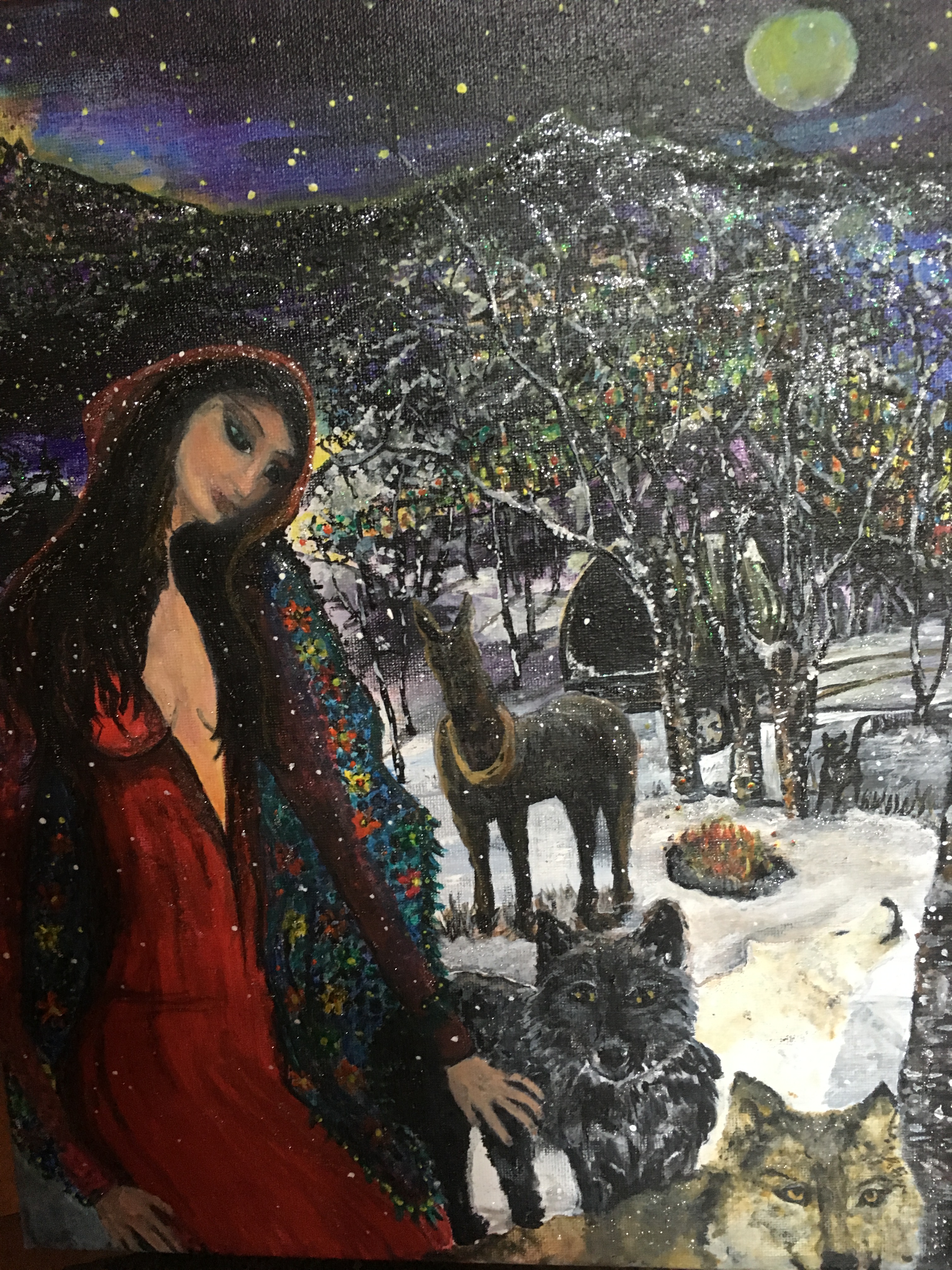
Renegades What do you hope the viewer gets from your work?
What I hope the viewer gets from my work is wonder. There is no greater joy than hearing that someone loves your art. Every person that looks at a piece of art sees it in their own way. I have attached stories to some of the pieces to explain my muse or muses. I do feel that great and epic tales – be it folk or poetical or just sheer fantasy – should be shared. In my childhood I loved campfire stories and poetry. All of my works have stories, and I really hope they inspire happiness, wonder, a sense of magic, peace, contentment, folly, whimsy, brevity, and courage. My deepest hope is that someone out there decides to dive into art! My wish is that others realize how many of us are out there. Art is not just for those with a long listed pedigree. Art is for every caste. Art is a legacy for everyone to not only observe but partake in.

Marina What do you think about the term outsider art? Is there a term that you think works better?
I like the term Outsider Art because we are just that. If you are self-taught, have no sponsor, you have no displays in a public setting, you are not published in magazines, and if you don’t have art credentials then you very much are outside the renowned art hub. Self-taught artists are often not given chances for their art to even be shown. I know this because so far I have found only one open heart for me in my very artistic community. For me since I also paint always outside ‘en plein air’ the name suits me just fine. I often find I am more comfortable out in nature with my easel than in a crowd. For me, I never really quite fit in. For me, I have always been a bit of a black sheep and find inspiration in under dogs, in the misunderstood, the wanderers, and the dreamers. Simply put: ‘YOU ARE ENOUGH.’
I think everyone out there has art in them waiting to get out. The arts are not just paintings… The arts are so vast and are the last refuge for us all. People often forget the art of music, the art of dance, the art of poetry, the art of theatre, film… The arts are always dubbed in school as the ‘humanities.’ We live in a world with so many freedoms being taken away year by year that I hope all of the arts remain intact.
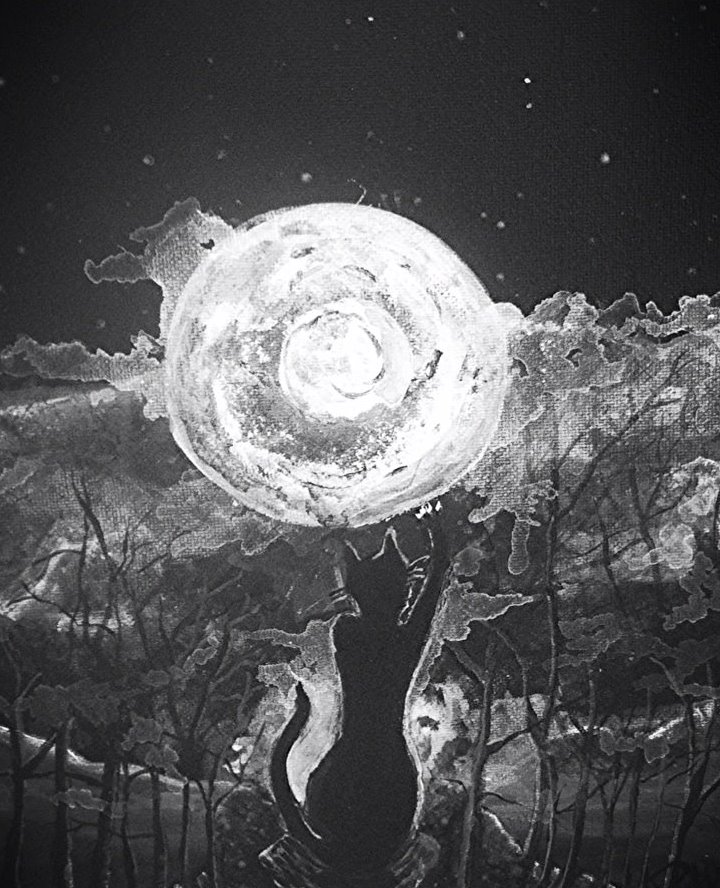
A Mewsing What are you working on at the moment?
I am working currently on Minnehaha, which has been inspired by my love of the epic book by Henry Wadsworth Longfellow, The Song of Hiawatha.
Where do you see your work taking you in the future?
I really cannot predict where it will take me, I only know I will enjoy every minute of it.
-
Valid Art: creativity and affirmation
A new qualitative study, commissioned by Axisweb, focuses on how artists receive validation for their work outside of the ‘traditional’ gallery setting. I think this is particularly poignant for all artists including self-taught artists and those who are not or do not wish to be aligned with the gallery agenda.
The researchers working on the study interviewed producers, commissioners and artists, seeking views on how different people receive validation for their creative endeavours, and whether the existing structures have – or had – an impact on how they seek or receive validation. The main findings are outlined below in a brief summary:
“The findings reveal an ad-hoc and informal approach to validation in the field. The commissioners, producers and artists interviewed agreed that the responsibility for seeking and maintaining validation falls largely to artists. While this was accepted as the norm, the majority of artists perceive a lack of support structures to help those operating outside the gallery system achieve and maintain external validation.”

There a few interesting things to take away from this in terms of thinking about validation and how artists receive it, seek it, and ultimately whether they need it at all. Traditionally, one of the key characteristics of the ‘outsider artist’ is their ability to create for themselves; because they need to, because they want to, rather than creating a saleable object or a commodity item. So where do they get their validation from? It may even be more difficult for them to find validation, with many not having not had the ‘rite of passage’ that is art school.
Does validation come with a price tag? Is work of a higher monetary value confirmation of a valid and successful artist? It, thankfully, seems not. In the report, artist Joshua Sofaer is quoted as saying: “Amongst me and my peers, we might consider somebody that goes towards gallery representation, starts making discrete objects, as somebody who has sold out.” Although he does go on to say that “other people might think they’ve arrived.” Additionally, many respondents felt that gallery backing was “more meaningful to others than to the artists themselves,” with many claiming that “the commercial numbers-led art world was potentially detrimental to the development of a high quality and original artistic practice.”
It is refreshing to see that although gallery representation is often sought after, many of the respondents did not “view gallery validation as a good fit for their values and practices.” Increasingly, it is perhaps true to say that artists are needing gallery representation less and less; for many, it is no longer the gold at the end of the rainbow. With the burgeoning use of the internet for self-promotion, artists can market and sell their work without the middle man, creating and selling on their own terms. This does, however, require the artist to have some knowledge of utilising internet marketing tools, a hurdle to overcome if you’re working towards self-representation.
Although it is comforting to see the findings highlight the differing value systems amongst artists “from those they see underpinning mainstream galleries and the work shown there,” to me it seems there is still some way to go. Take, for example, the difference in status between community and educational art and a ‘national gallery commission,’ the former is still looked upon as lesser form of art than the latter, despite the inclusion of community and learning programmes in most major national and regional art galleries and museums. Worryingly, artist Ania Bas acknowledged that “A lot of artists that I know… don’t talk about any work that they would do for the education department… In fear that this would mean that they would never… be invited to do a show in the gallery.”

So it seems from the report that whether validation is based on monetary value, visibility or gallery representation, there still seems to be an apparent separation, in terms of both support and funding, between work traditionally included in the ‘gallery agenda’ and art produced by socially engaged artists or those working outside of the mainstream. How do we overcome this? There certainly needs to be some sort of reform in terms of what high quality, valid art looks like, and in terms of who gets to decide. Rather than a sellable end item, perhaps a focus on process and idea needs to come to the fore. After all, if the only art seen as valid is the art that ‘sells’ and the only successful artists are those with a nose for business, we will continue to miss out on so much rich, unique and meaningful creativity.
The concluding paragraph of the Axisweb report mentions that to encourage a rethinking of current validation systems, any new provision should be artist-led, because “without this, artists could be disenfranchised through external values being imposed on them in ‘top down’ regulatory ways. This in turn might undermine the existing quality and nature of artists’ work occurring within the broad category of socially engaged or non-gallery art.”
I’d be interested to know what validation looks like to you. Does it come from the art world, does it come from yourself, and how do you go about finding it? Please post any responses you might have in the comments below – thank you!
Axisweb commissioned Validation beyond the gallery (June 2015) from Manchester School of Art, focusing on artists working outside of the gallery system. The report was written by Amanda Ravetz and Lucy Wright. You can read the full report by clicking here.
-
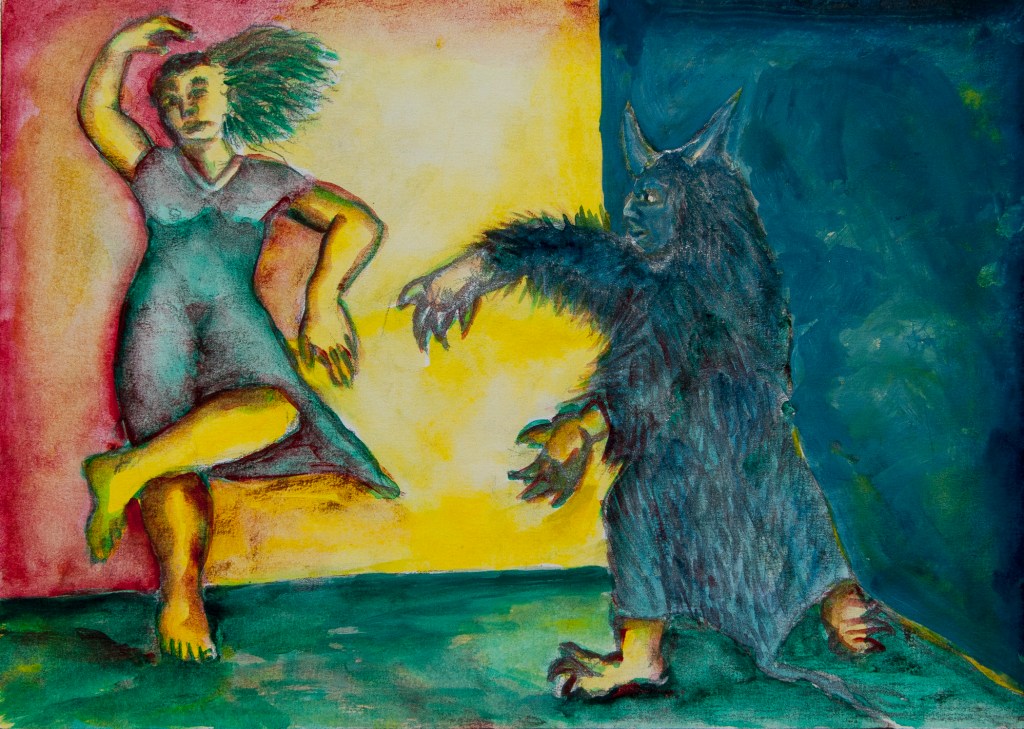
Artist in Focus: José Nava
José Nava was born in 1937 and grew up in the working class barrios of Acapulco on the pacific coast of Mexico. In 1962 he travelled to Europe and settled in England. For many years, he worked with the experimental theatre company, The People Show, touring internationally before dedicating himself full time to his art practice. Entirely self-taught, José has produced a substantial body of work over the last 20 years consisting of painting, drawing and sculptures.
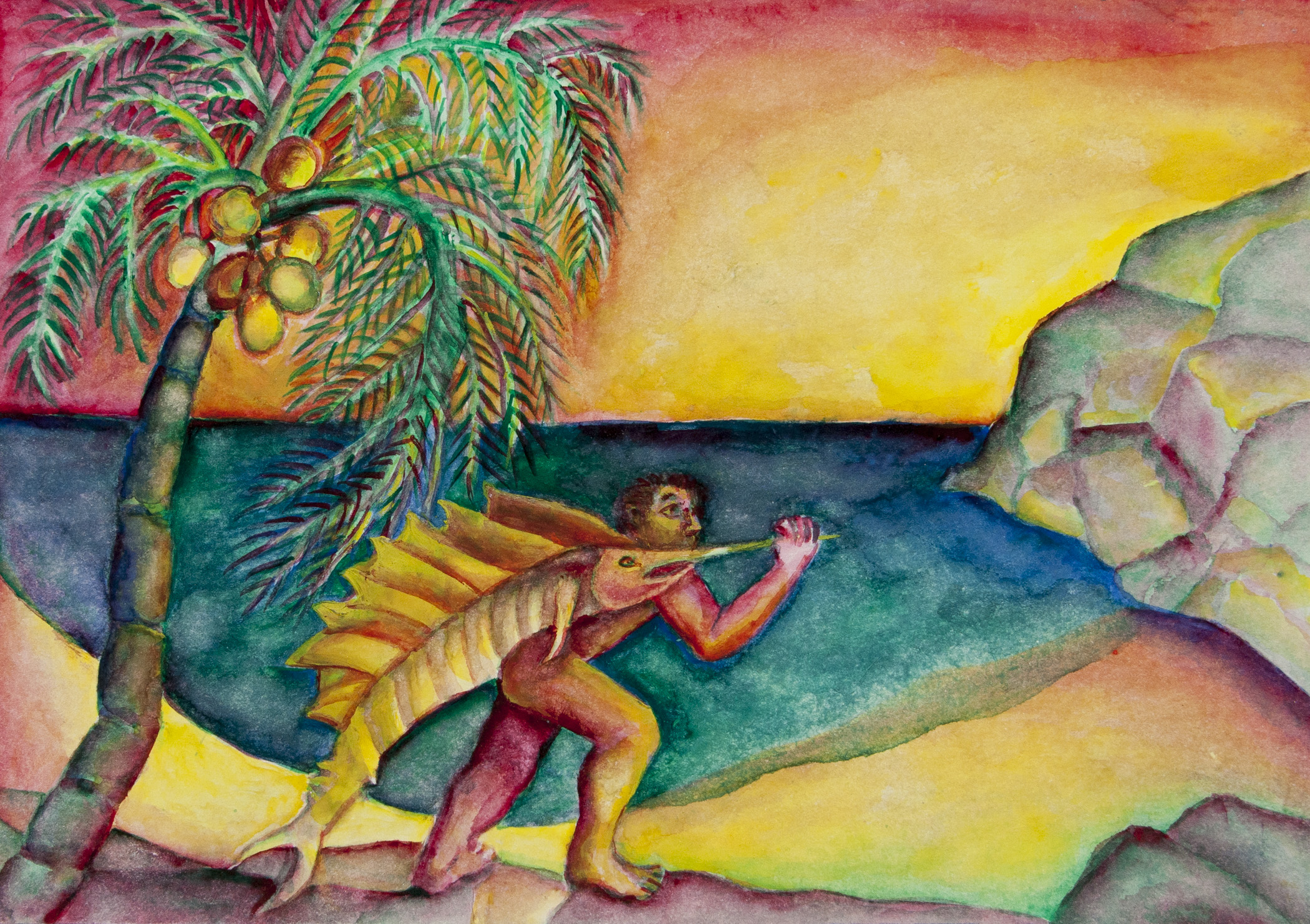

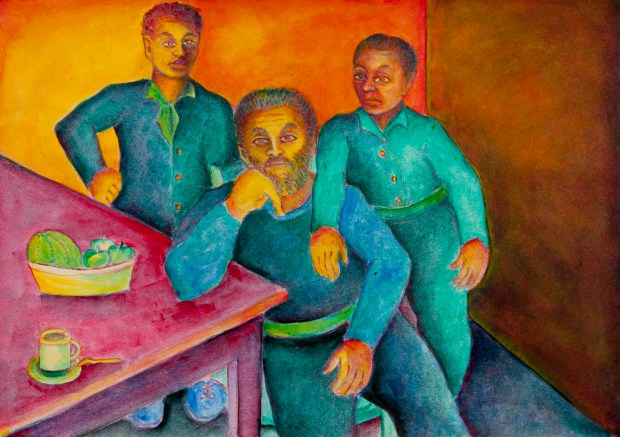


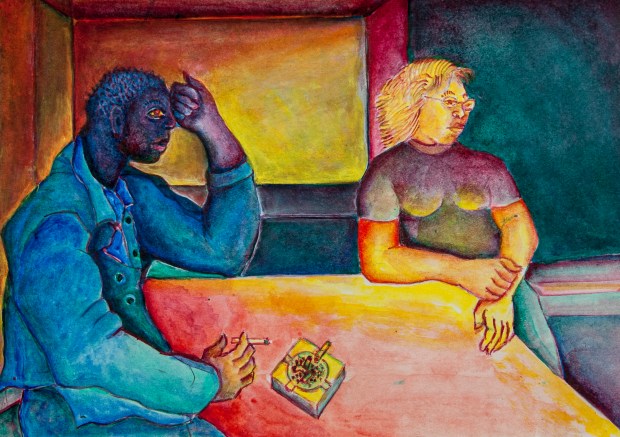

Click here to watch ‘Big Fish’; a video about José filmed by his son Zadoc Nava (www.zadocnava.com). You can also see more of JosÉ’s work on his website.
-
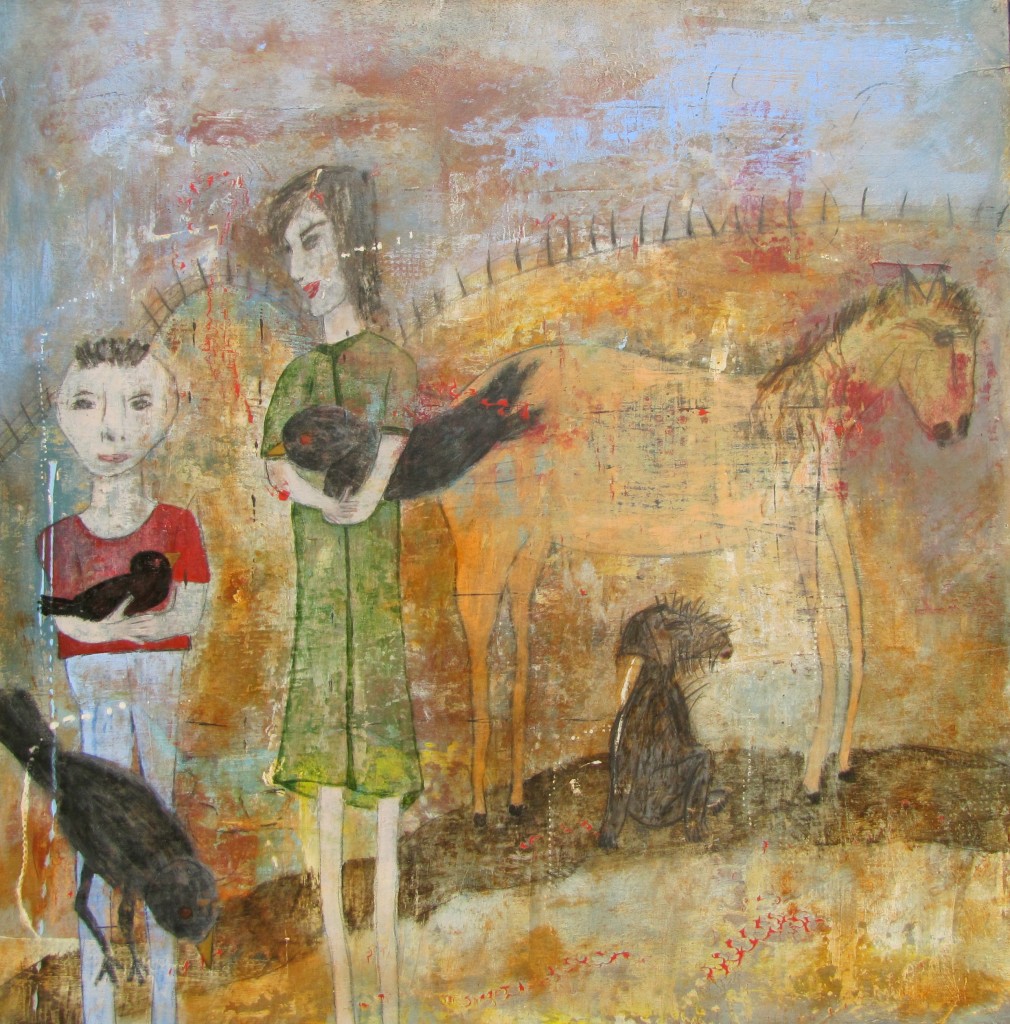
Artist in focus: Judy Shreve
Above image: Judy Shreve, Sanctuary
“I am a storyteller and had to learn to tell a story with paints instead of with words. It is my desire to express from a true place and create an emotional response to what I see. It’s not always realistic, because I see this world in an intuitive-abstract way. And it is the feeling that touches my heart that I want to portray in my work no matter what medium I am working with. Every mark I make is a combination of all my life experiences. Each piece contains a lifetime of aesthetic experience and interest for me, a successful piece is one that opens a heart and creates a smile.”
– Judy Shreve
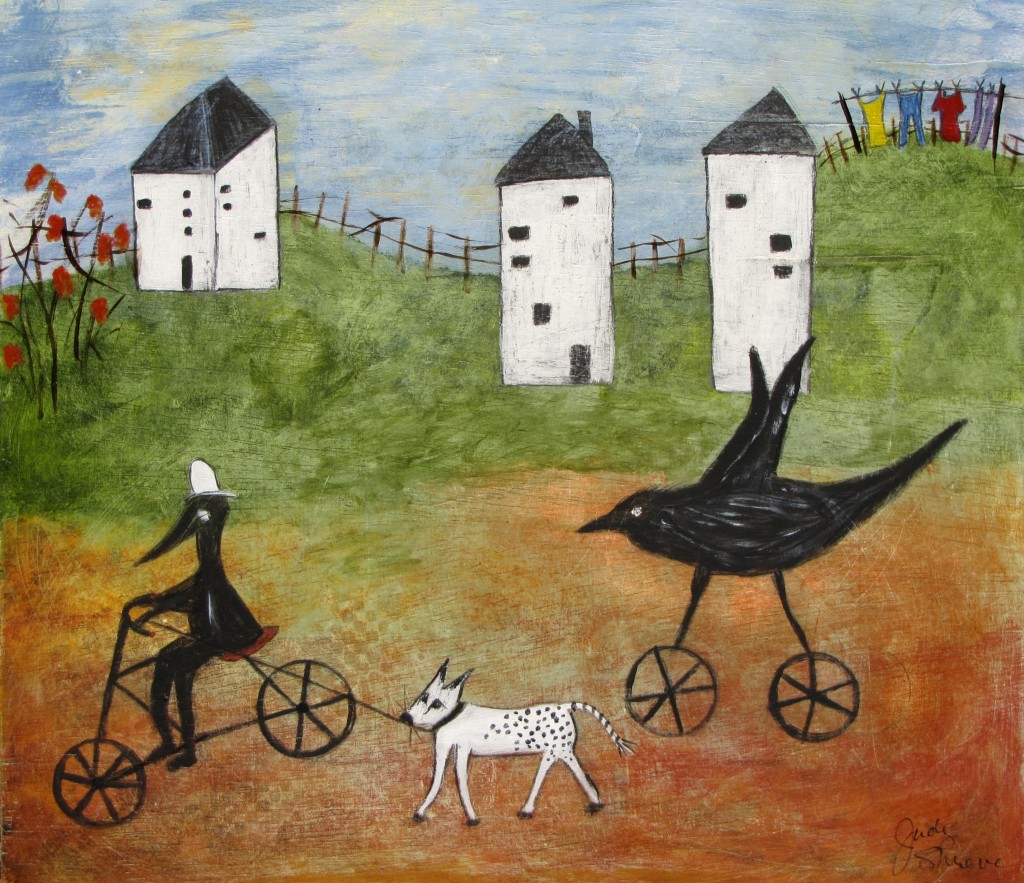
Judy Shreve, Heading out of town for a little fun 
Judy Shreve, Trouble in the hen house 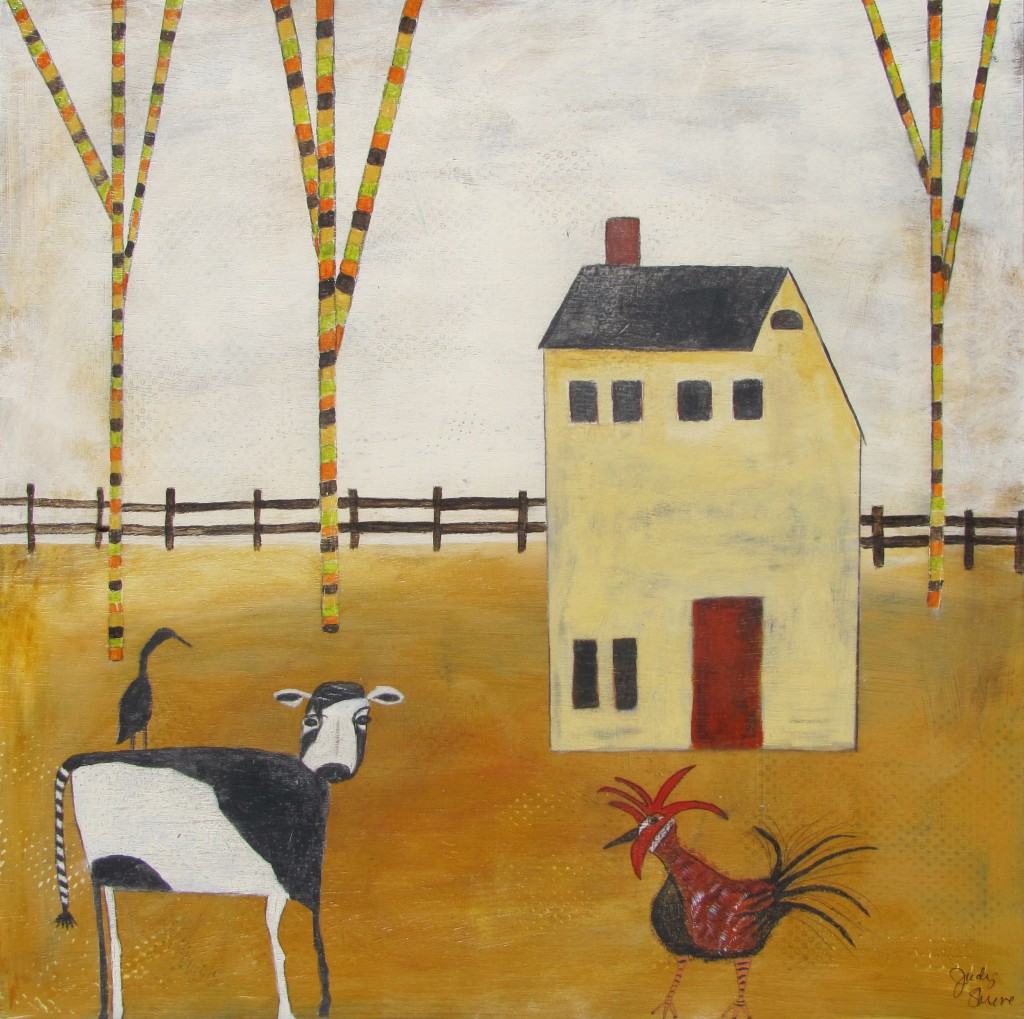
Judy Shreve, Is he talking to me 
Judy Shreve, Jumped off the merry go round 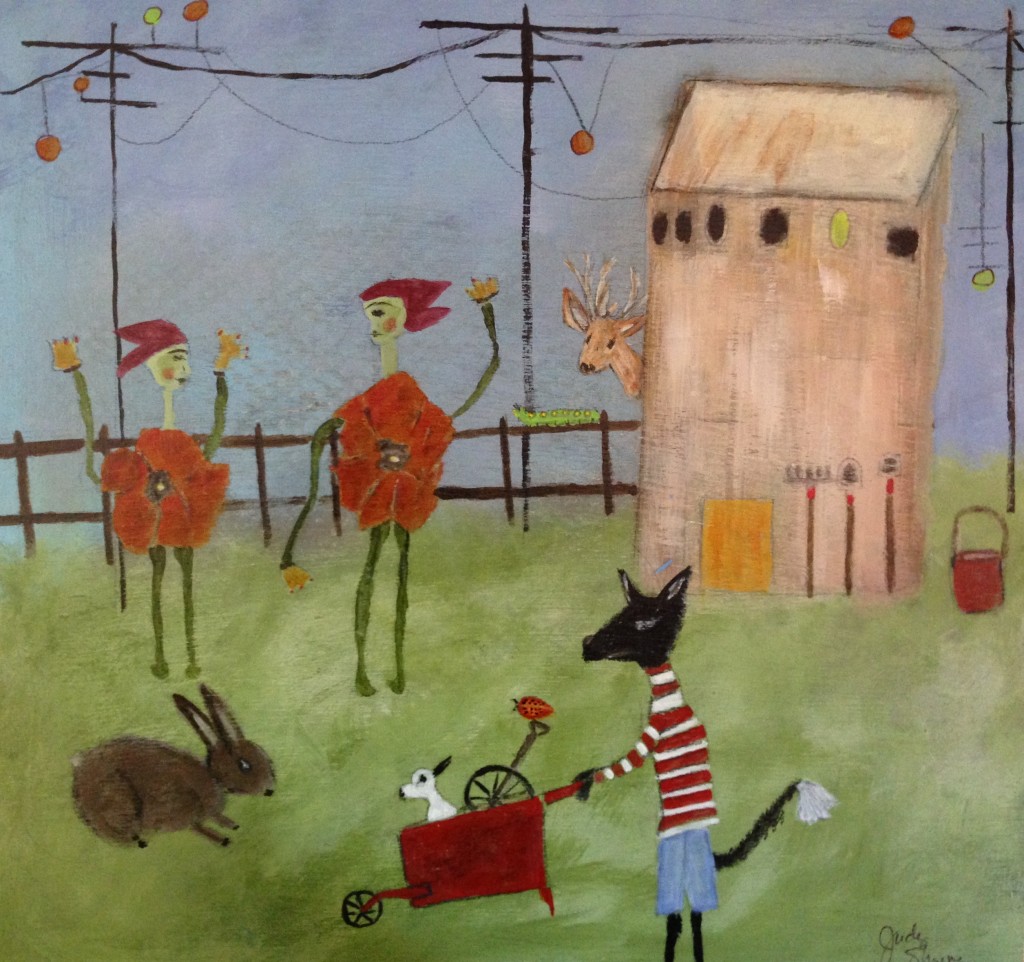
Judy Shreve, Why do I garden anyway
To see more of Judy’s work, please visit her website by clicking here


 KDOA
KDOA 