Tag: outsider art

  • A Note on Outsider Art

    A Note on Outsider Art

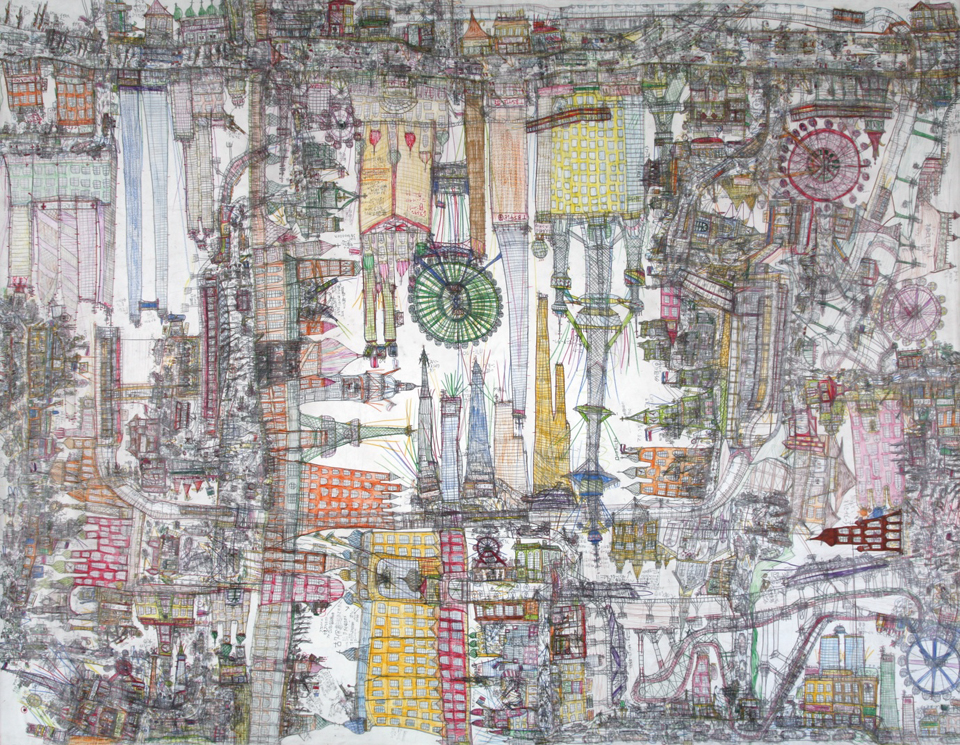
    On 31st May, I was very kindly invited to give a talk at the ‘Life is Your Very Own Canvas’ mid-exhibition event in Aberdeen by organiser of the show, Steve Murison. The exhibition showcased work by people who are part of the Penumbra Art Group in Aberdeen. I spoke briefly about outsider art and how I had become interested in it, and what I was doing now to support artists who might be considered ‘outsider.’ Although the talk was brief, I took some time in the run up to refresh my memory on all things outsider art – which I thought I would put together in a blog post.
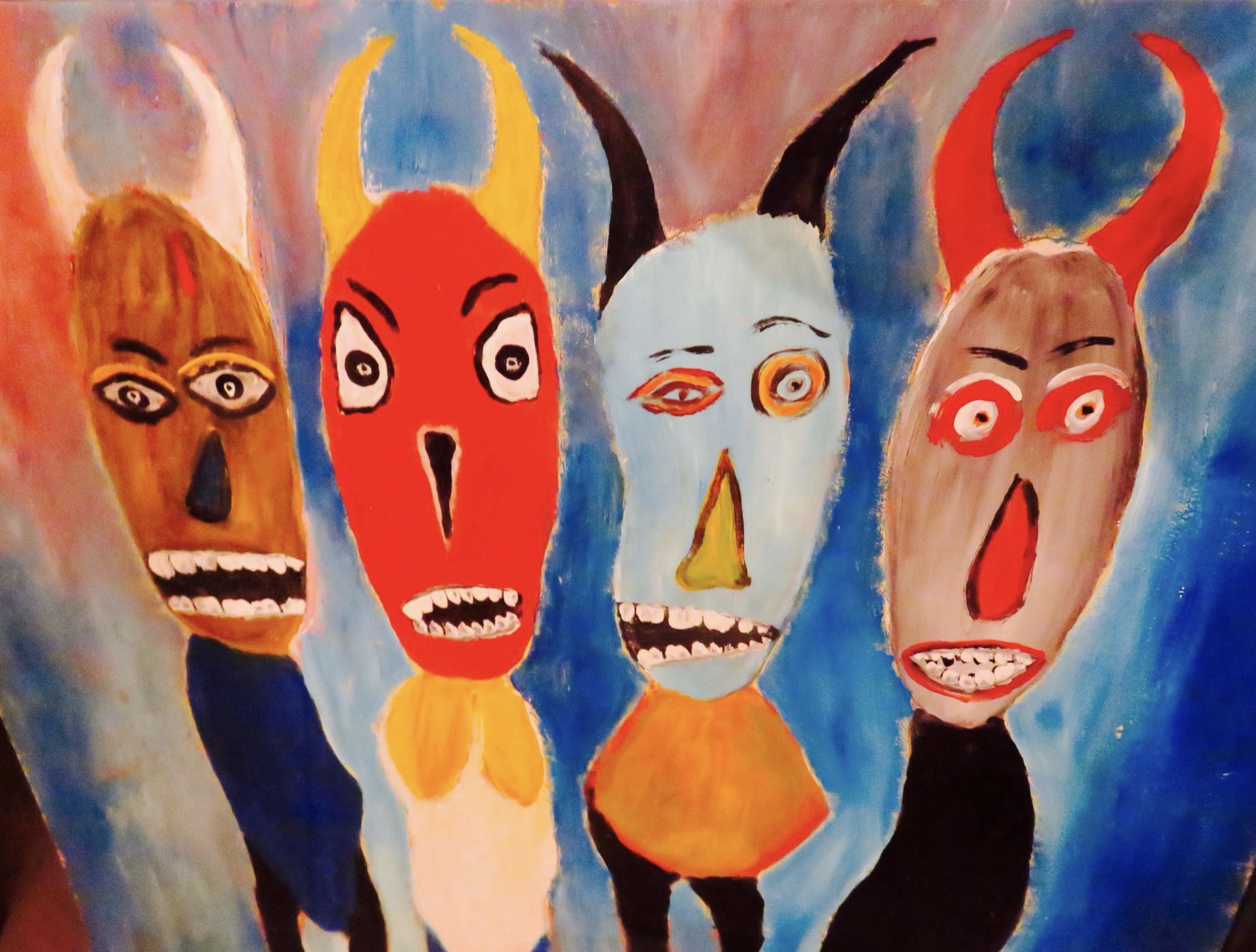
    gaston chaissac
    Gaston Chaissac

    My prior research took me back to when I first starting studying outsider art – right to the beginning, to quotes from Jean Dubuffet and Roger Cardinal. I’m going to split this post into four different sections, just to put my thoughts down on paper (or computer): a brief history of outsider art, what it is today, my interest in outsider art, and what I think about outsider art now.

    First things first, the exhibition was absolutely extraordinary. Many of the artists with work on the wall had never picked up a pen or a paintbrush before joining the art group, and many had re-found their creativity many years after losing it to illness or life events. There was a mixture of 2D pieces, including a series of ‘diary drawings’ illustrating the artist’s daily life in and around the city of Aberdeen, and 3D pieces; like a jaw-dropping papier mache dragon. It was inspiring to meet many of the artists at the event, who were all incredibly proud (as they should be) at having their work hanging in the exhibition.

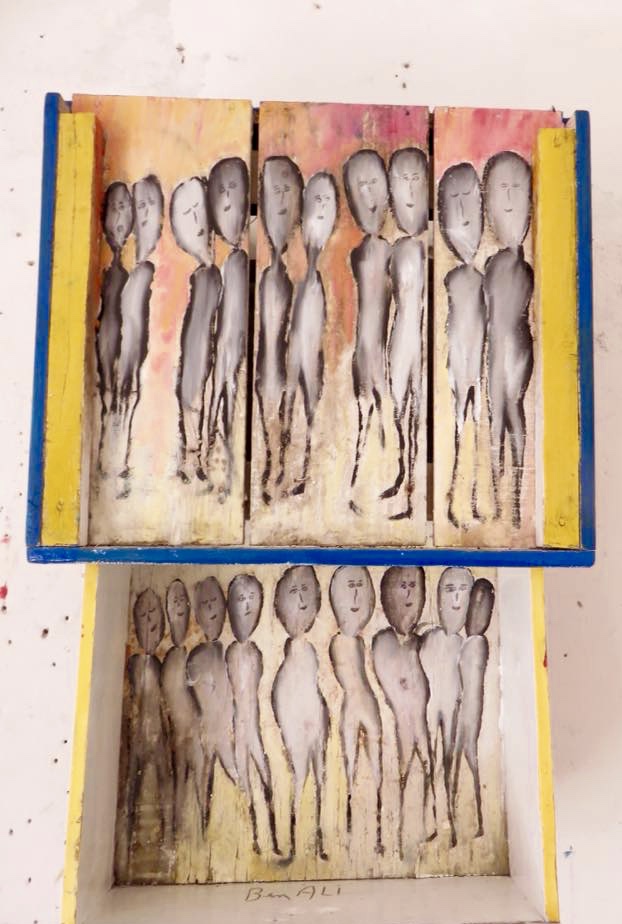
    norimitsukokubo
    Norimitsu Kokubo

    The History

    So, let’s start at the beginning. The initial emergence of outsider art occurred between the ‘Golden Years’ of 1880 and 1930. The term itself was coined by art historian Roger Cardinal in 1972 as an English equivalent to Jean Dubuffet’s ‘Art Brut’ or Raw Art, which was coined in the 1940s. When describing work as ‘Art Brut,’ Dubuffet meant work that was untouched and untainted by traditional artistic and social conventions. In his manifesto Art Brut in Preference to the Cultural Arts (1949) he says:

    “We understand this term (Art Brut) to be works produced by persons unscathed by artistic culture, where mimicry plays little or no part. The artists derive everything – subjects, choice of materials, means of transposition, rhythms, styles of writing etc. – from their own depths, and not from the conventions of classical or fashionable art.”

    Dubuffet’s collection of Art Brut is housed in the Collection de L’Art Brut in Lausanne, Switzerland, for which there is (still) a very strict acquisitions criteria. The museum’s acquisitions are based on the following five characteristics: social marginality, cultural virginity, the disinterested character of the work, artistic autonomy, and inventiveness. There are, of course, contentious ideas within Dubuffet’s strict – and marginalising – criteria. It is incredibly difficult, even so in the early 20th century, for someone to be completely detached and separated from culture in all its forms.

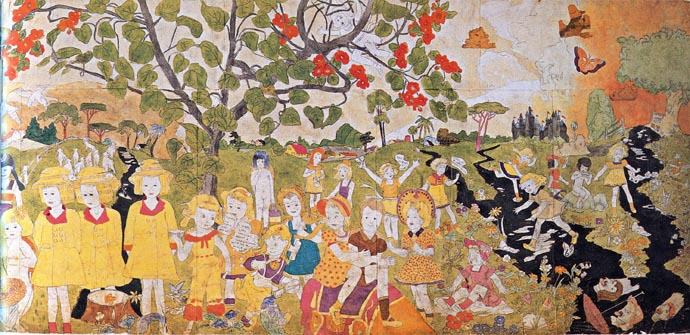
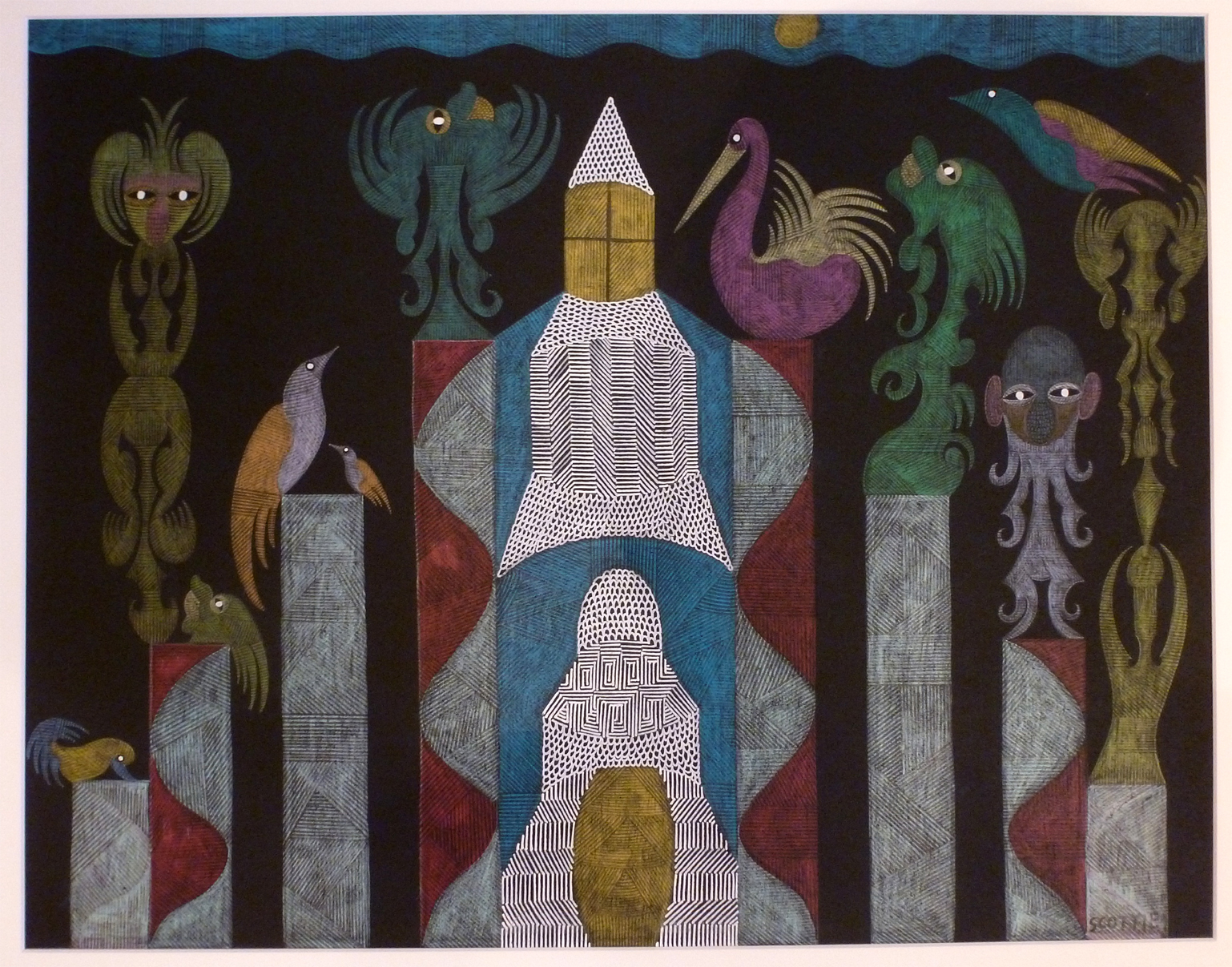
    Take for example some of the most famous outsider artists. Adolf Wolfli worked as a farm hand in his early life; Scottie Wilson was in the armed forces, travelling to both South Africa and India; and Henry Darger worked for most of his life as a caretaker.

    Dubuffet’s Art Brut is idealistic, it is not realistic. And this is where some of the contentions and debates arise around the term and what it stands for – back then and still today.

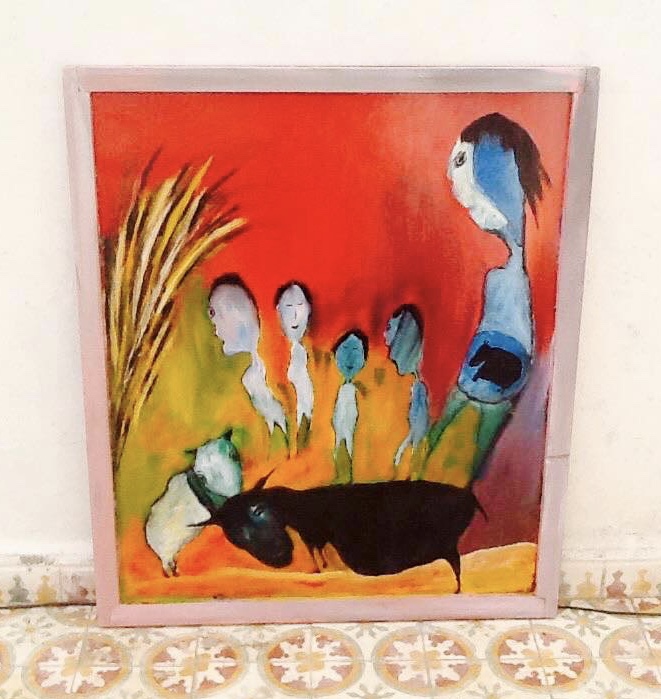
    dagrer1
    Henry Darger

    Outsider Art in the Present Day

    Throughout the 20th Century, the term gradually gained momentum. It is still around today, although in a very different form to Dubuffet’s Art Brut.  Today, it is more of an umbrella term for work that is created outside of mainstream culture – and includes terms like ‘self-taught art,’ ‘folk art,’ ‘intuitive art.’

    Everyone in the field has their own idea of what it means – a popular one being that anyone who calls themselves an outsider cannot be considered an outsider artist. Originally, outsider art was taken from the homes of artists on the sad happening of their death (like the famous story of Darger whose work was found when his apartment was cleared following his death, whence his tomes of The Vivien Girls books were uncovered).

    And then, of course, there is the divide between mainstream and ‘outsider’ art. At what point does an outsider artist become an ‘insider’ artist? Dubuffet was known to have ‘ex-communicated’ one of his own discoveries, Gaston Chaissac, because of his contact with ‘cultivated circles,’ and Joe Coleman was expelled from the 2002 New York Outsider Art Fair in which he had taken part since 1997 because he had been to art school and had ‘become too aware of the whole business process of selling.’

    A good way to look at it, I think – as it gets very confusing – is how Editor of Raw Vision Magazine, John Maizels talks about it in his book Raw Creation: Outsider Art and Beyond (1996):

    “Think of Art Brut as the white hot centre – the purest form of creativity. The next in a series of concentric circles would be outsider art, including art brut and extending beyond it. This circle would in turn overlap with that of folk art, which would then merge into self-taught art, ultimately diffusing into the realms of so-called professional art.”

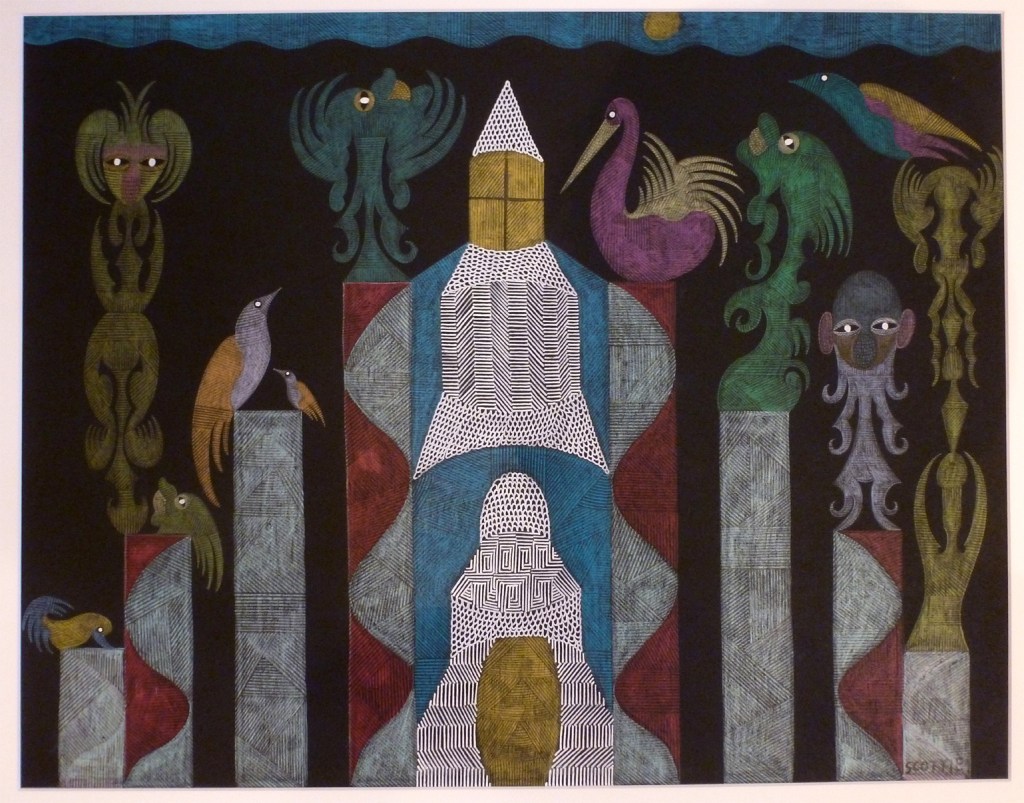
    scottie wilson
    Scottie Wilson

    My Journey with Outsider Art

    My own interest in outsider art first started when I was at university. I studied History of Art, and – surprisingly – we had a whole module on outsider art. Well, it was actually a module on psychoanalysis and art, but the term outsider art kept cropping up, and I was curious. To help with my paper for this module, I visited Bethlem Museum and Archives to look at the work of Richard Dadd. I immediately found myself immersed in this world of raw human creation.

    Outsider art for me often comes straight from within. It’s not made for a market and it doesn’t come out of art schools (although I am certainly not adverse to people who have been to art school aligning themselves with outsider art). It inspires me because one of the most innate and unique things about being a human being is our ability to be creative. I think there is nothing that illustrates this better than outsider art.

    I went on to write my BA Hons dissertation on the links between German Expressionism and outsider art and was not surprised to find that many art movements in the twentieth century were inspired by the work of outsider artists – including the Surrealists and German Expressionists. Artists at this time wanted to capture the intuitive spontaneity of this work to represent the turbulent times they were living through.

    I went on to study for an MA in Art History and by this point was focusing solely on outsider art. I wrote my extended dissertation on the ethics of exhibiting and curating work by outsider artists. For me, it was interesting to think about how ethical it is to display work by someone who never intended for it to be seen. I would think about Henry Darger and his Vivien Girls. He had created this whole world in private – surely it should have been kept private? But if it had been, we wouldn’t have had access to this astounding feat of imagination – maybe the books would have been destroyed?

    I continued my research, thinking about the different ways the work could be displayed to best exhibit its aesthetic and inspirational qualities. Should interpretation include a note on the artist? Should the work stand on its own? There seemed to be so many questions that kept on breeding more questions.

    Ever since I finished my MA four years ago, I have been working with various projects and organisations that promote or support artists facing some kind of barrier to the art world – whether that barrier is their health, disability or social circumstance.

    aloise corbaz
    Aloise Corbaz

    What do I think now?

    For me, the term outsider art should be redundant. It shouldn’t be outsider art – it should just be art. Sometimes, people and artists need a little bit of extra support to get their work out there, and for this reason I think it’s vital to have organisations and projects like Outside In and Creative Future, but I think the next chapter is to challenge the impenetrable art world.

    Why is it so difficult for people to break into the art world if they haven’t been to art school? Who gets to choose what is and isn’t art? For me, outsider art is the bravest form of art. It is defined by artists exposing themselves on paper, in clay, on film, in words, and then sharing it with the world. It’s all about creativity, raw intuition, and the uniqueness of being human – and it can certainly teach us all a lot about humanity!

  • Artist Showcase: Wayne Wolfson

    Artist Showcase: Wayne Wolfson

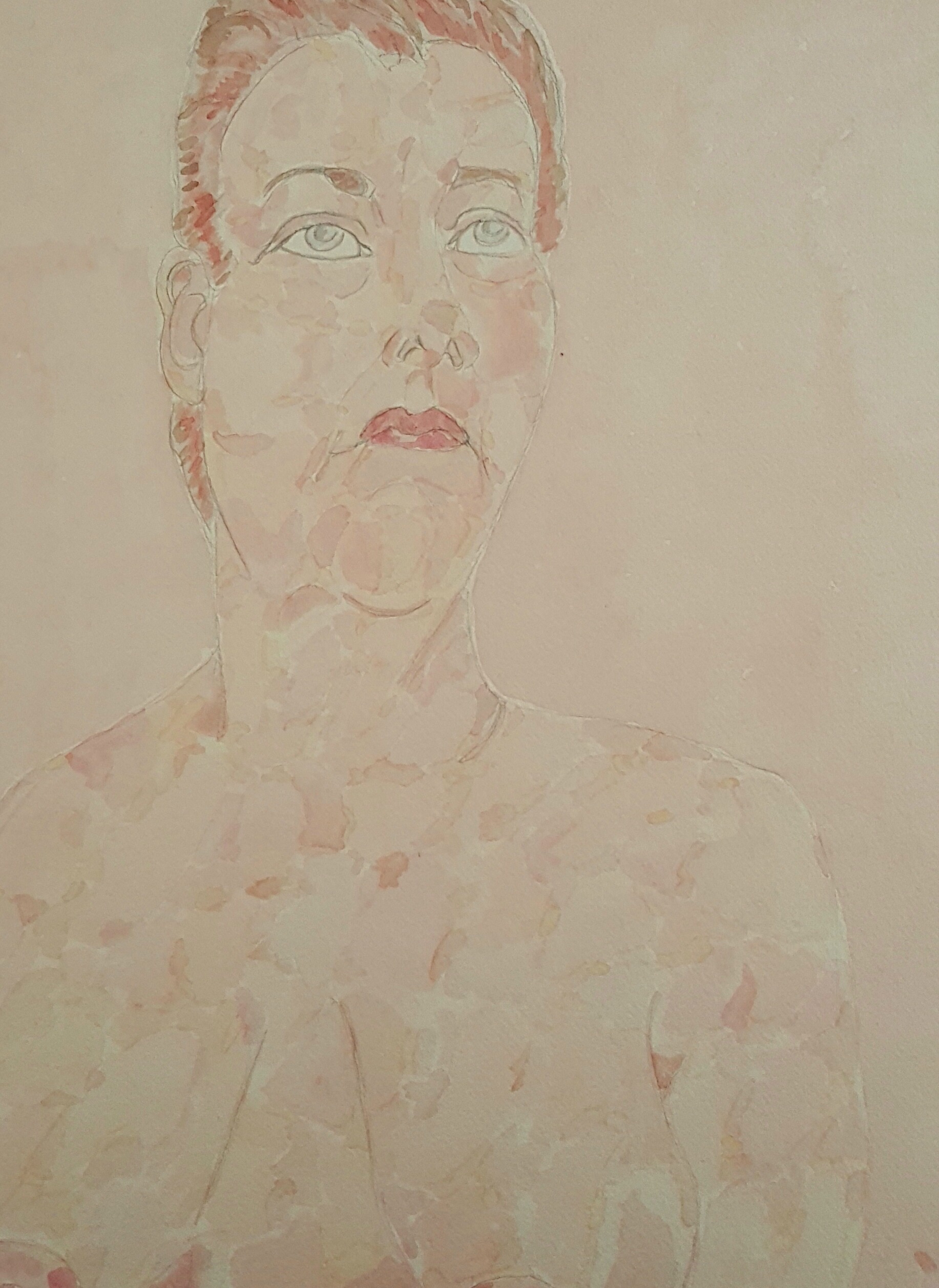
    The Artist Showcases on kdoutsiderart aim to share the work of emerging or ‘outsider’ artists. This time, it’s the turn of Wayne Wolfson. Read on for information on Wayne’s work and his life as an artist.
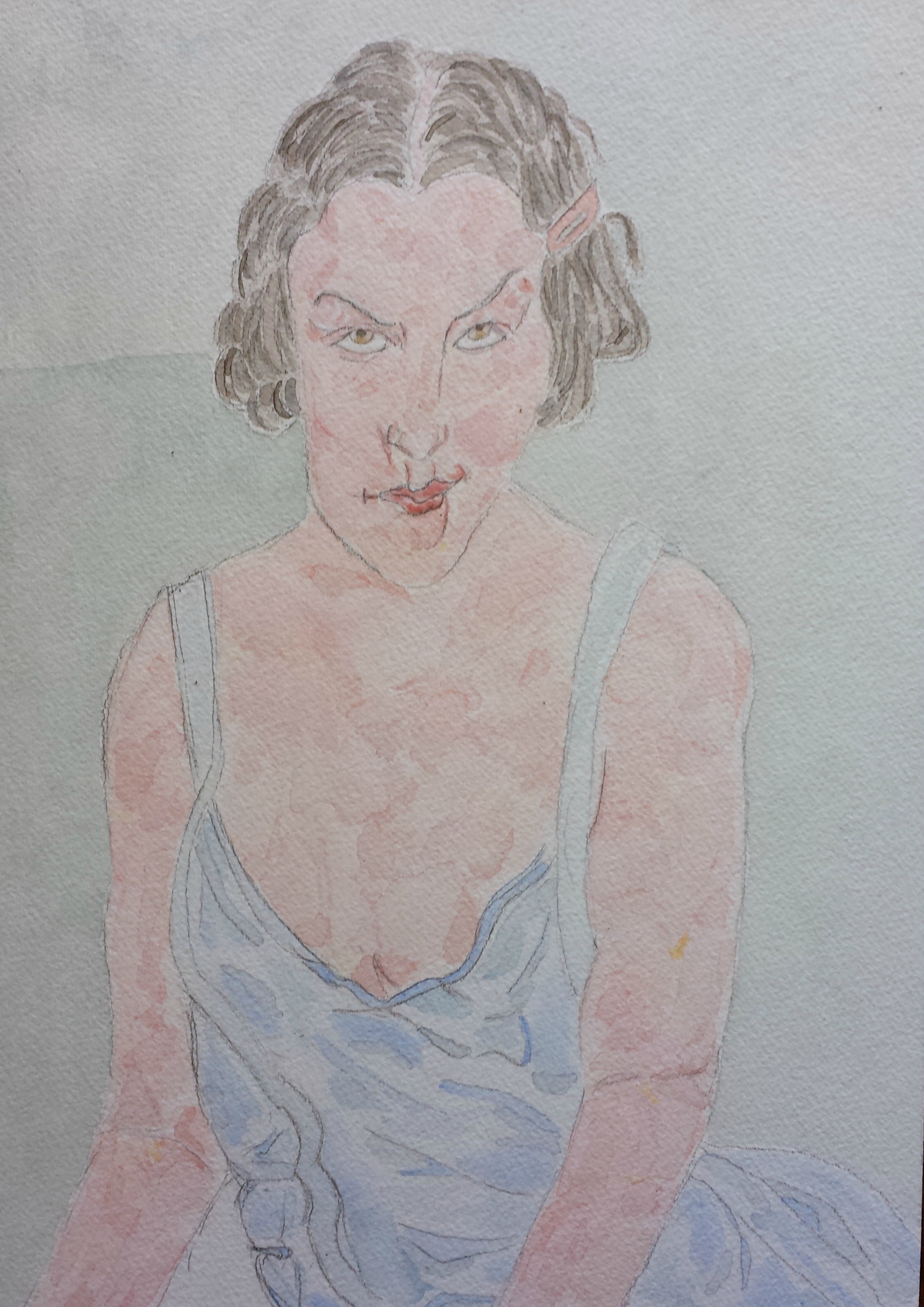
    Blue Dressedit
    Wayne Wolfson, Blue Dress

    When did your interest in art/creating begin?

    I have always drawn and painted. Writing has been my main thing and as I contemplated a passage I would draw as a means of achieving a sort of relaxed concentration. I then upped my game by doing acrylic easel painting in-between short stories or passages of a novel.  While I was doing this, I never would have called myself a painter as I was not working on my chops or anything but merely just doing (it). I switched for practical reasons to watercolors after getting a great little travel set as a gift. My first forays into the medium seemed to resonate with people, although I had a long way to go before achieving my current voice. This spurred me onto to really putting effort into my chops, evolving, delving into various mechanics of the craft. Looking back on it now a decade or so later, I am far better with the watercolors than I had ever been with acrylics but it was an important start for me.

    Razzamatazz edit
    Wayne Wolfson, Razzamatazz

    What is your starting point for each piece?

    When I first started out there was a definite component of feeling my way through during the creation of each piece. Now, I usually have a fairly good idea of what I want to do before starting and how to achieve the effects. There is a perpetual striving to evolve artistically but for myself there are really no big surprises halfway through a piece or when I am finished. The chance element for me is less chance and more improvisation, like jazz, and that occurs only if I am at a bar or something and just borrow a waitress’ pen to do something on a napkin or place mat.

    Cecilia's show edit
    Wayne Wolfson, Cecilia’s Show

    Who or what influences your work?

    Music is my biggest influence. I am constantly listening to things. My list of favorites remains but I do also explore. I think my own emotions are an influence to some extent, as are those of whoever is modeling for me and my knowledge of what makes them tick. A sort of figurative-narrative, the truth not for all time but just that moment my eye traps them onto paper.

    stressed at airport edit
    Wayne Wolfson, Stressed at Airport

    What do you hope the viewer gets from your work?

    I would like them to feel something. Emotion is the most important thing to me. I think even with the greatest artist in any medium, regardless of how technically adept they are, from Mahler to Coltrane, it is their emotions resonating from their work which we treasure.

    New Years eve edit
    Wayne Wolfson, New Year’s Eve

    What do you think about the term outsider art? Is there a term that you think works better?

    I liked the idea and term initially but it is played out; it has become a sort of institution unto itself. It used to be people outside of academia and the gallery/museum scene: People with talent but no connections to make things happen with their work and perhaps also outside of trends. Now, at least stateside, it has become a sort of shorthand for folk/naïve art which is not necessarily that good done by people who have weekly meetings, monthly, annual shows etc. Now, just another group with a sort of faux- keeping it real cred.

    I would almost like to return to a medieval artisan type of term such as “craftsman” in hopes of such a less glamorous/cool title weeding out those in it only for attention or who put only a modicum of effort into it.

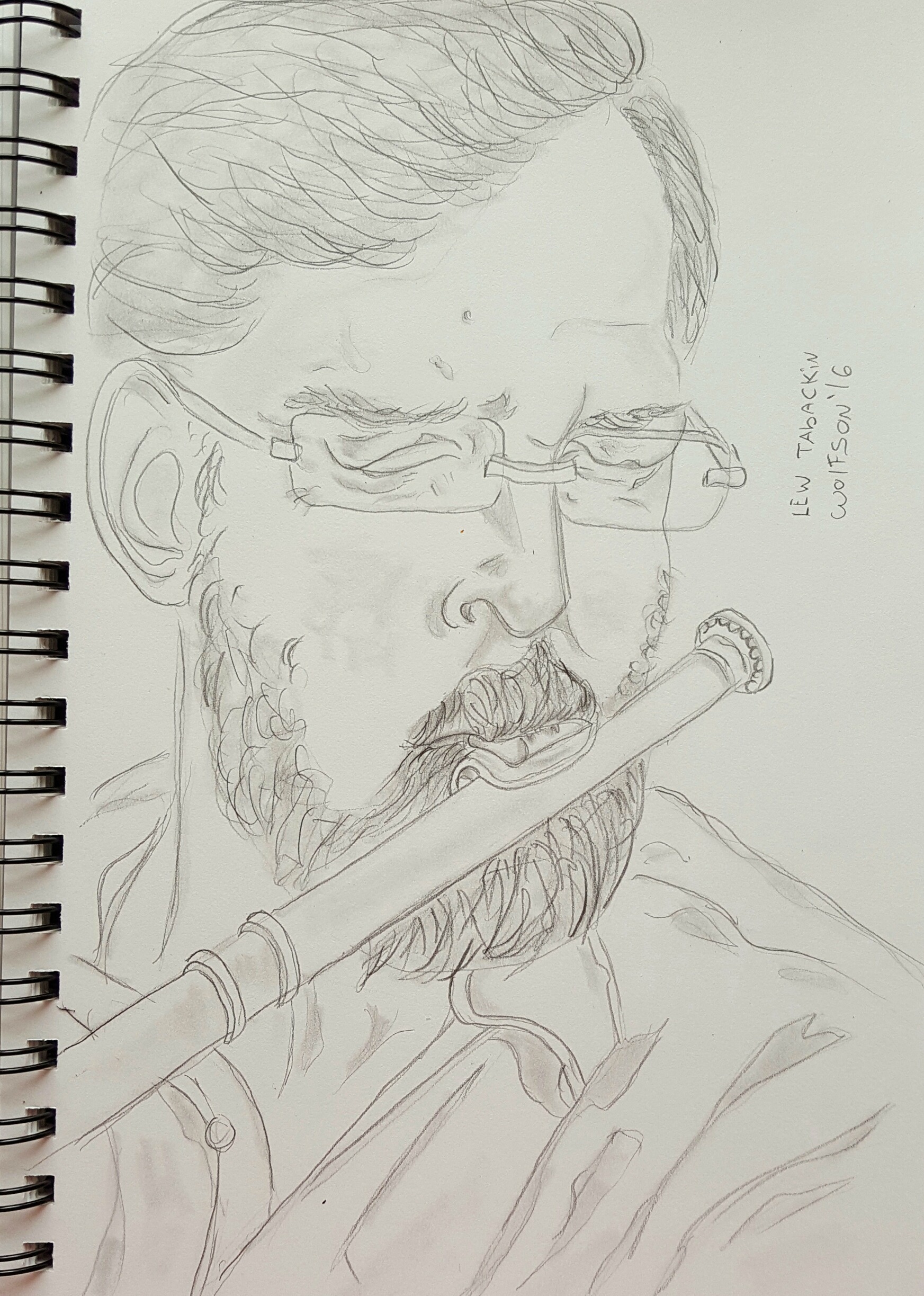
    Lew Tabackin edit
    Wayne Wolfson, Lew Tabackin

    What are you working on at the moment?

    I have several pieces to draw for my portrait project. I am very fortunate that I work fast. I am about to start a new watercolor portrait. I draw every day, seven days a week no matter where I am in the world. If I am not drawing actual pieces, then I am wood-shedding, practicing drawing hands, eyes and what have you; the way a musician would practice scales. I view drawings as fully realized works unto themselves and not merely appetizers to a painting, so I give that equal attention to my painting.

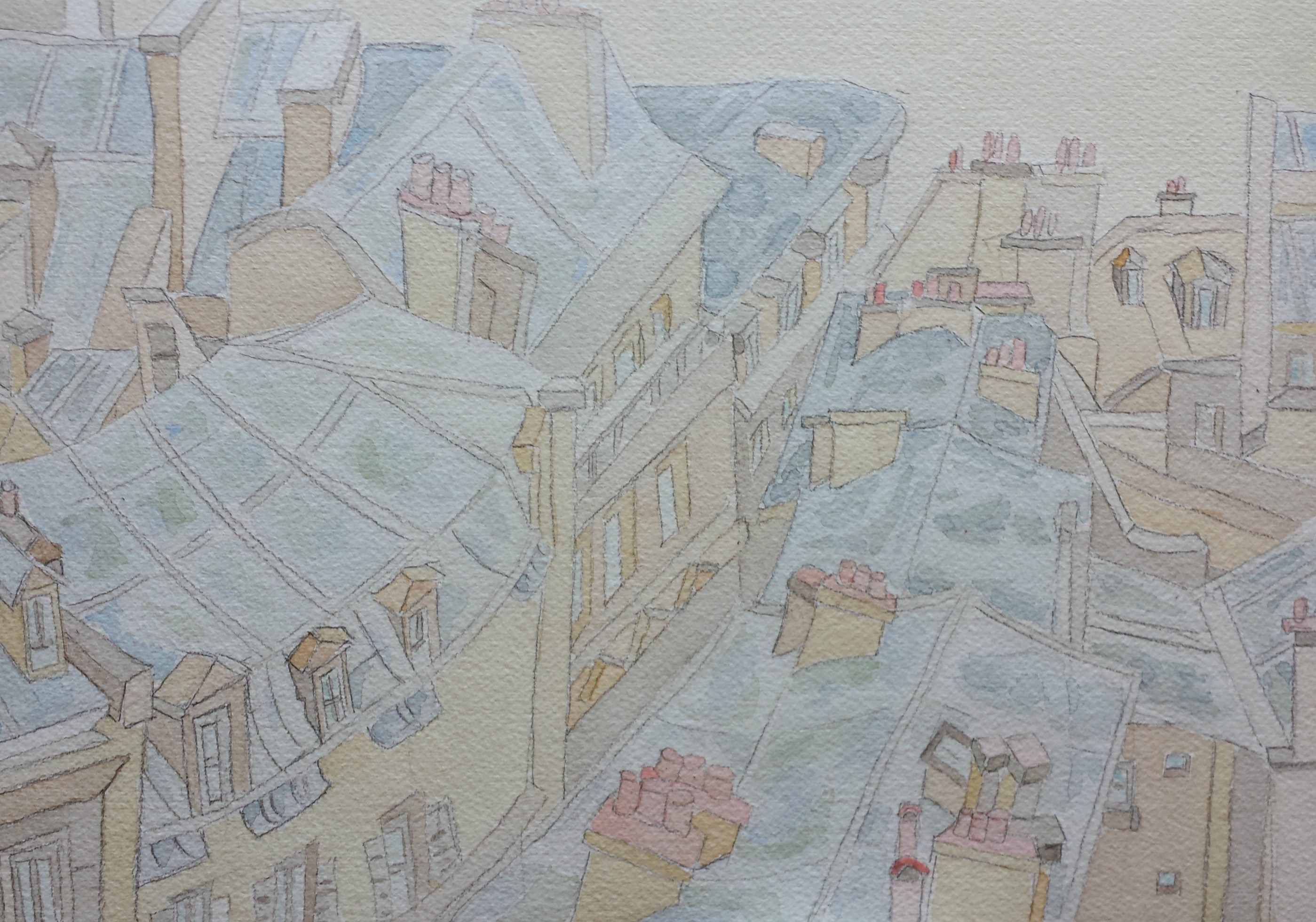
    Paris rooftops edit
    Wayne Wolfson, Paris Rooftops

    Where do you see your work taking you in the future?

    I honestly do not know. I am outside of trend in what I do and also realize that I am not reinventing the wheel. So I do not have the power of novelty nor shock of the new to aid me.

    I do figurative art and cityscapes, some still lifes. I am not afraid of beauty in a time when derivative Basquiat skulls get more attention. I would like to do an album cover or something like that for one of the musicians I admire. Of course I would not mind some more gallery shows. As things unfold I will continue with my portrait project, which is informal portraits of various musicians and other artists I admire and to work towards further evolution.


    Click here for more examples of Wayne’s work


  • Life is your very own canvas

    Life is Your Very Own Canvas’ is an exhibition showcasing expressive art created by individuals somewhere along the road to recovery. The exhibition has been organised by Penumbra Art; a new collective of artists who are exploring the creative path together in a supportive, encouraging and safe environment. The exhibition is happening from 27 May – 3 June 2016 at Seventeen in Aberdeen.

    3D dragon sculptures, high quality black and white street photography and a time travelling comic strip are but a few of the eclectic works on show.

    Mid-exhibition, on 31 May, there will be a showcase event where I will be talking about outsider art: then and now, and Best Girl Athlete will be performing.

    Penumbra POSTER_FINAL_WEBPenumbra_InviteA4_WEB

    The exhibition is open:

    Friday 27 May, 10am – 5pm
    Saturday 28 May, 10am – 4pm
    Tuesday 31 May, 10am – 5pm and evening showcase 7pm – 9pm
    Wednesday 1 June, 1.30pm – 5pm
    Thursday 2 June, 10am – 5pm
    Friday 3 June, 10am – 5pm

    Venue: 17 Belmont Street, Abderdeen, AB10 1JR

    For more information, click here.

  • CALL OUT FOR SUBMISSIONS: Redefining Outsider Art

    CALL OUT FOR SUBMISSIONS: Redefining Outsider Art

    REDEFINING OUTSIDER ART: LOOKING AT LANGUAGE
    AN ONLINE EXHIBITION LOOKING AT THE TERM OUTSIDER ART AND WHAT IT MEANS IN THE 21ST CENTURY


    Call out for submissions to an online exhibition focusing on the term outsider art and what it means to YOU as an artist.


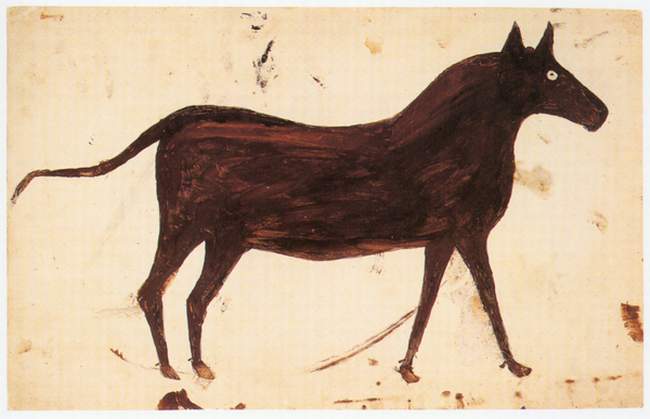
    brown mule
    Bill Traylor, Brown Mule, 1939 [source: http://www.petulloartcollection.org]
    kdoutsiderart.com regularly focuses on the ambiguities of the term outsider art and what potential impact it might have on the artists it aims to ‘define.’ In late 2015, I posted a blog that outlined the thoughts of six artists who find themselves housed under this ‘outsider’ umbrella. Following on from this, I’d like to expand this idea, and am inviting artists who might in some way align themselves with the term outsider art to tell me what they think. I’d like to know what you think of the term outsider art, and – if you have an idea – what a better term might be.

    I’m looking for responses in a variety of media – using words, images, sculpture, performance, sound – to contribute to an online exhibition challenging the term outsider art. Unlike other conversations around the term, I’d like us to work together to break down the term outsider art and for you to really think about what it means to you as an artist. By providing real-life responses from artists as well as potential alternatives, we can be a positive addition to the continuing conversation.

    henry darger1

    Submissions
    Submitted work must be in a digital format – this can be images, a sound or movie file, or a PDF or Word Document. Each artist can submit one piece, and all pieces must be accompanied with a brief description of how it relates to the continuing conversation around outsider art. Please email all submissions to kdoutsiderart@yahoo.com by 1st July 2016.

  • The Story of Art: our collective history

    The Story of Art: our collective history

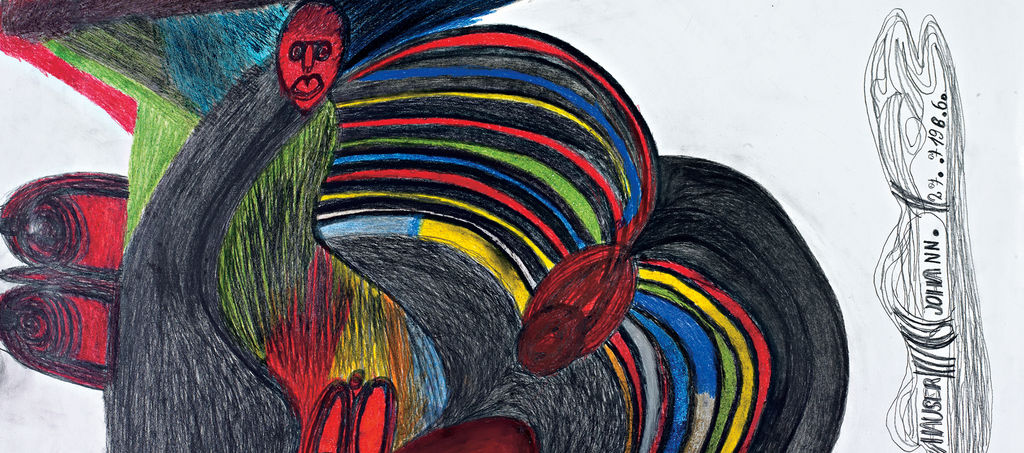
    I feel like I haven’t written a longer piece on outsider art and its accompanying tensions in a long time. A visit to the Whitworth Art Gallery, Manchester – part of a team day out in my final weeks working for Outside In – took me back four years to the research I was conducting into displaying outsider art. The Whitworth, structurally both modern and beautiful, has been home to the Musgrave Kinley Outsider Art Collection now for several years. The collection is one of the formative and most important Outsider Art collections in the world, and includes works by prominent figures such as Aloise Corbaz, Johann Hauser and Lee Godie.

    johann hauser
    Johann Hauser, Nackte Frau mir Hut, Art Brut Center Gugging, Maria Gugging

    Currently at the Whitworth, an exhibition focusing on portraits expertly showcases a huge number of works from the gallery’s collections – including the Musgrave Kinley Outsider Art Collection. It was a privilege to see works by the likes of Ben Wilson, Hauser, and Corbaz alongside great British masters such as Francis Bacon, Sir Stanley Spencer and Leon Underwood. There is no division in the exhibition between work by tutored, mainstream artists, and the equally aesthetically brilliant works by so-called ‘outsider’ artists.

    Curator Bryony Bond says: “Many works predate the gallery’s formation by hundreds of years, others were made on different continents, and many more were made without the expectation of being shown in a gallery at all. Together, however, these individual works of art, each made in different circumstances, shape the collection, and give the Whitworth its unique personality.”

    joahnn 2
    Johann Hauser, Frau mit Fahne, Art Brut Center Gugging, Maria Gugging

    Back in 2013, I wrote a blog on the relationship between ‘outsider’ art and the ‘traditional’ history of modern art, in which I touched upon the abandonment of ‘outsider’ art within most art history curriculums. So often excluded from the history (and story) of art, ‘outsider’ artists have been wholly welcomed into the Whitworth exhibition, helping to illustrate the history of a prestigious art gallery, its donors and collectors. This highlighted for me the importance of including such works in telling the story: whether that’s a story about collections and collectors, or whether it’s the story of art – and, to go one step further, the story of humanity more generally.

    Let’s take Hauser as an example. Born in 1926 in Slovakia, Hauser was admitted to a psychiatric institution at the young age of 17. He was transferred to another hospital near Vienna in the late 1940s, where he remained for the rest of his life. Here, he joined the Haus der Künstler (House of Artists), where his doctor – the lauded Leo Navratil – encouraged him to start drawing. His work took inspiration from popular culture: portraits of film stars, current events and photos of war machines.

    aloise
    Aloise Corbaz

    Does erasing works by people like Hauser erase people like Hauser? Surely if we are telling the full unadulterated story of art (and humanity), these are important chapters.

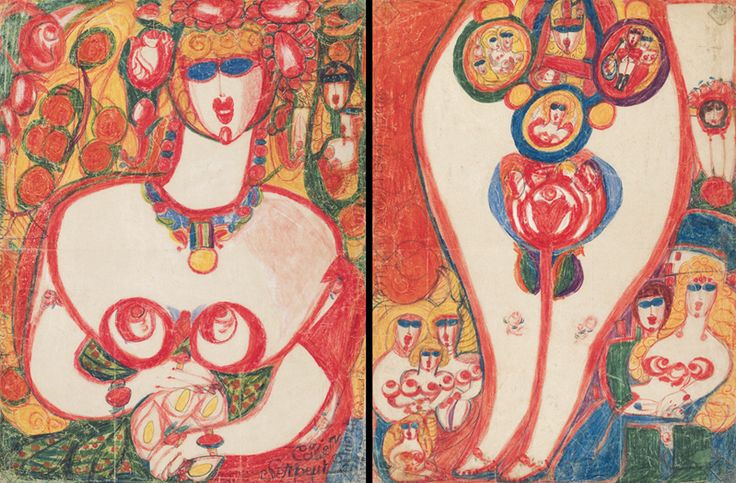
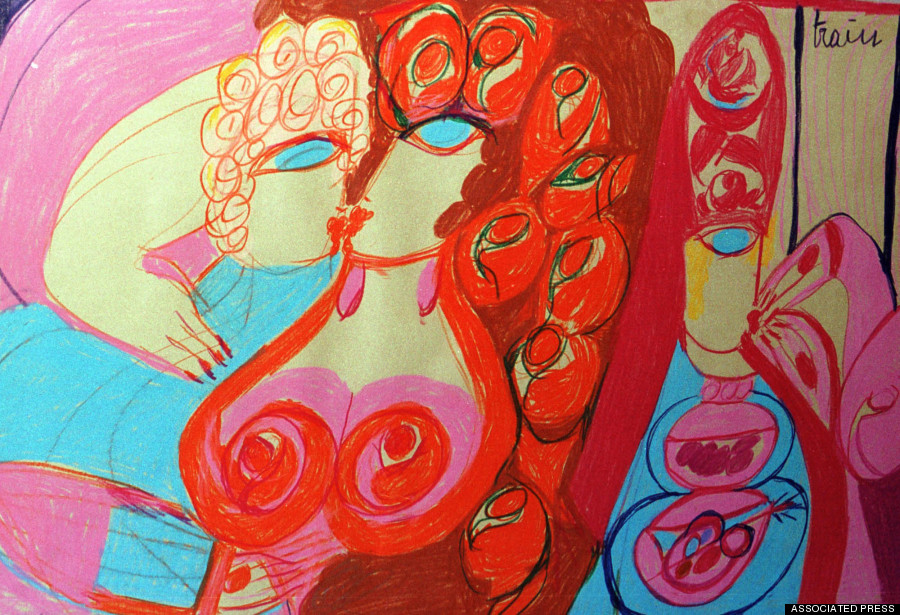
    Corbaz was born in Switzerland in 1886. At the age of 32, she was diagnosed with schizophrenia and was admitted to a psychiatric hospital. It was after this admission that she began to experiment with creative writing and drawing. At first, she kept her creations on scrap-paper secret – whether for reasons of fear or privacy, but after a while she was allowed to use larger sheets of paper as well as crayons and coloured pencils. Corbaz is now one of the most celebrated ‘outsider’ artists in history. If we erase her work, are we erasing her story – are we erasing her as a person?

    ALOISE
    Aloise Corbaz

    In this respect, the Whitworth is leading the way (certainly in the UK anyway). By integrating work by the renowned British modern greats and the work of artists like Hauser and Corbaz, they are accepting – and celebrating – the great breadth and variety of people who are and were a part of the story of human history. Their work is equally as – if not more – important in shedding light on the diverse experiences of human beings. Art is a great way to share the truths and tribulations of being human and provides a visual tool to help reduce stigma surrounding fundamental issues like mental health and disability. We must remember to include the diverse stories of people from all walks of life to ensure our collective human story is varied and interesting, but above all, to ensure that it is truthful.

    ‘Portraits’ continues at the Whitworth Gallery, Manchester, until 23 October 2016.


    Click here to find out more about the show


  • Artist Showcase: Amanda Weckwerth

    Artist Showcase: Amanda Weckwerth

    The artist showcases on kdoutsiderart aim to bring new and emerging artists into the spotlight. This time, I’ve asked Amanda Weckwerth a few questions about her work and her life as an artist. If you’d like to share your work on this blog, please email kdoutsiderart@yahoo.com.

    depressedmany1
    Amanda Weckwerth, Depressed Many

    When did your interest in art/creating begin?

    Although my initial interest in creating art began in high school – in art class – I became hooked on using the arts to depict my personal experiences with mental health and the stigma resulting from such issues. I only began creating at the age of 24 when I completed my Bachelors in Psychology and a friend of mine bought me a cheap child’s art kit. Over the years I realized the healing power of the arts in dealing with intense emotions and the deleterious effects of stigma.

    goodblue
    Amanda Weckwerth, Blue

    What is the starting point for each piece?

    Because I dabble in multiple art forms the origins for each type of art vary. Take for example my pastels; when I feel strong negative emotions or hurt resulting from differential treatment I immediately grab my pastels and pad of paper. Before creating any image I take a moment to stop and think about how I can best capture my emotions through visual mediums. For the most part I am driven by a need to make the internal external. Paintings and anti-stigma posters are planned when I am experiencing strong emotions but are created once I have gathered needed art supplies.

    sadness1
    Amanda Weckwerth, Sadness

    Who/what influences your work?

    As mentioned, my work is influenced by my current mental state (extreme moods, or hurt resultant of differential treatment) and how I believe I can best capture and convey my experiences. There is the odd time however where what I believe to be a cool idea pops into my head and may or may not be related to my state of mind. I have a flare for the strange and unusual and try not to be influenced by the work of others. In general I do not create art with the intention to sell although I would like to sell more pieces.

    lifeinafishbowl1
    Amanda Weckwerth, Life in a Fish Bowl

    What do you hope the viewer gets from your work?

    I can only hope that my art allows others to understand a number of things. My anti-stigma pictures are meant to make others aware or to strike a personal chord related to the negative impacts stigma, stereotyping and differential treatment have on those who suffer from mental health and addictions. With regard to pastels I hope to create an awareness of the lived experience of having mental health issues and addictions; or, to provide a unique insight into the world of the oppressed. With regard to my paintings I hope to engage the minds of those with an appreciation of the strange and unusual.

    ragainsttime
    Amanda Weckwerth, Race Against Time

    What do you think of the term outsider art? Is there a term that you think works better?

    These are very good questions; I certainly feel and am treated as an outsider so the term seems fitting. Nonetheless, I feel that the term inadvertently creates an “us and them” mentality. Perhaps a better term might be “Experiential Art.”

    noise
    Amanda Weckwerth, Noise

    What are you working on at the moment?

    With regard to mental health and the arts I am working with a local art gallery to develop an outsider art collective devoted to educating our community. My current art piece – which I admits sounds – strange is to use plaster rolls to obtain a mould of my body parts which I will adhere to a canvas as large as myself. I want to create a woman coming out of the canvas. I hope no one knocks on my door when I am plastering myself; how do you explain what the hell you are doing?

    Anorexia
    Amanda Weckwerth, Anorexia

    Where do you see your work taking you in the future?

    Maybe it will lead me to the “looney bin” (again); just kidding. Possessing little knowledge of the art world but knowing how hard it is to get recognition, I dream of having the opportunity to share my art on a large scale; namely for the purpose of educating the public (via the creation of bold yet heart felt pieces) about the realities of mental health and stigma. I’d love to make my living making art but know how hard it can be. I’d like to combine my educational assets (Masters in Community Psychology) with experiential knowledge/creativity for the purposes of mental health advocacy and stigma reduction. I can only hope but to use my art for public awareness given the opportunity.

  • SOMA: Moments and Emotion

    SOMA: Moments and Emotion

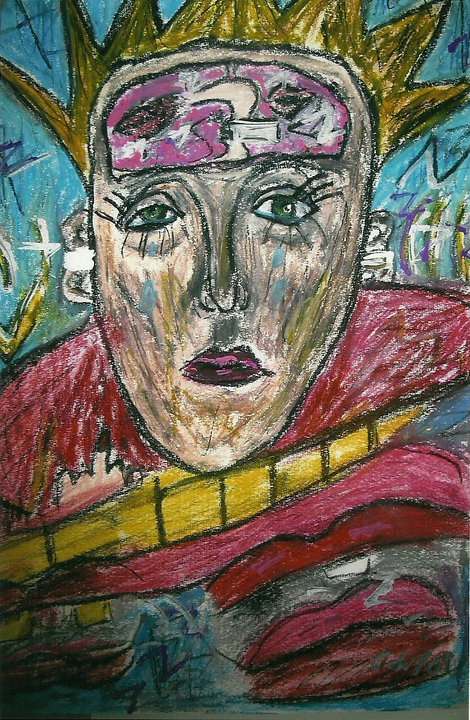
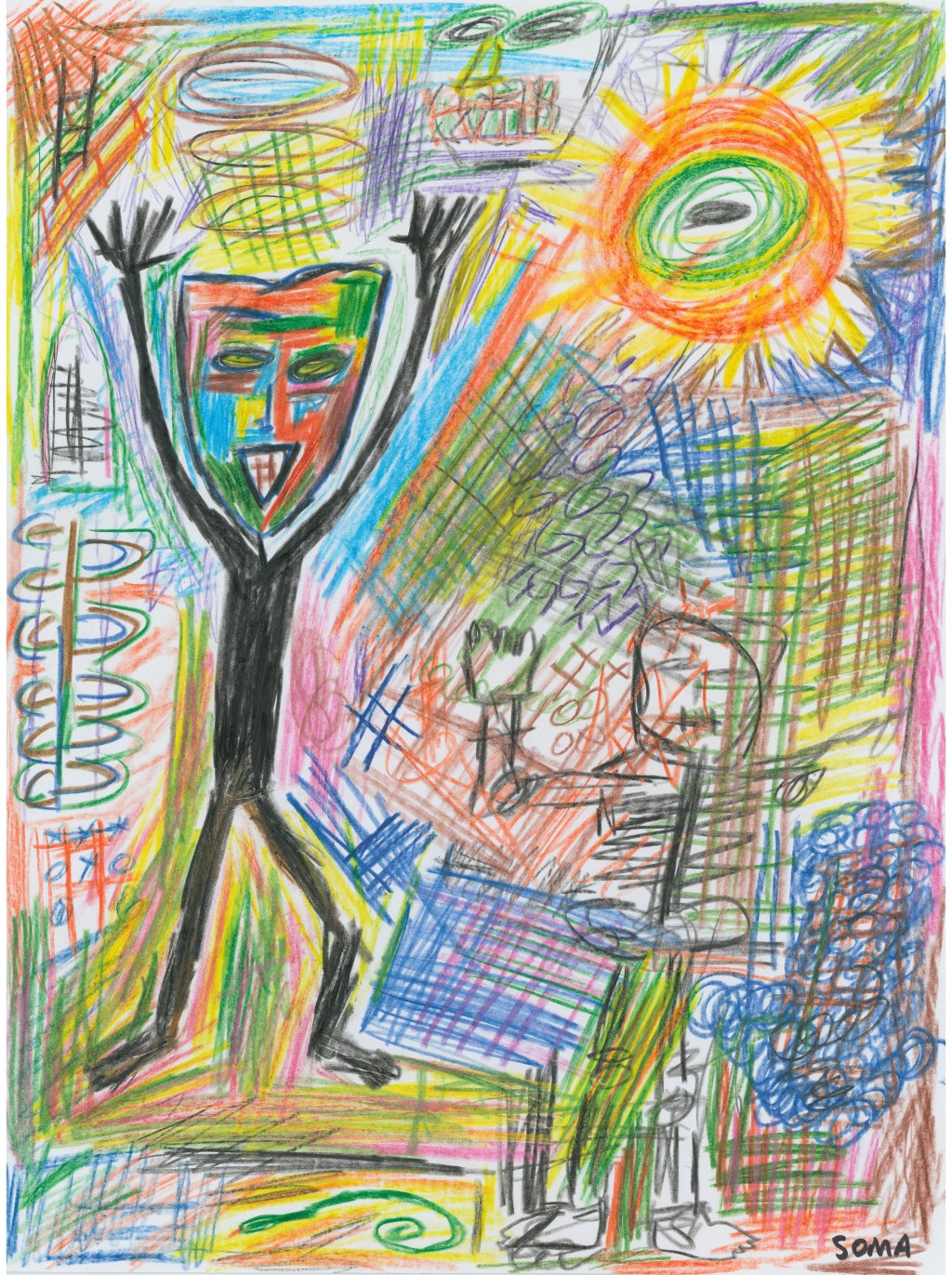
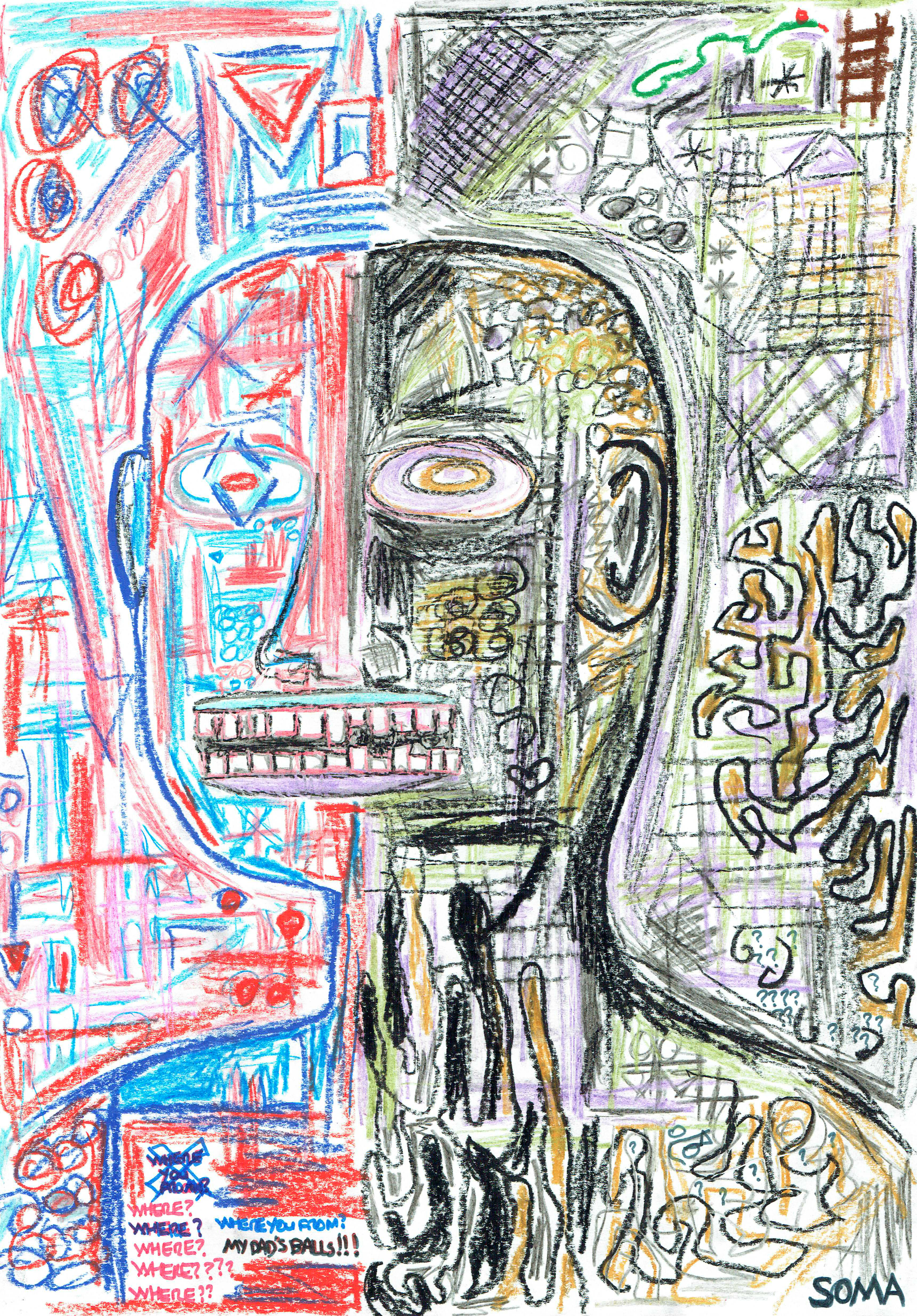
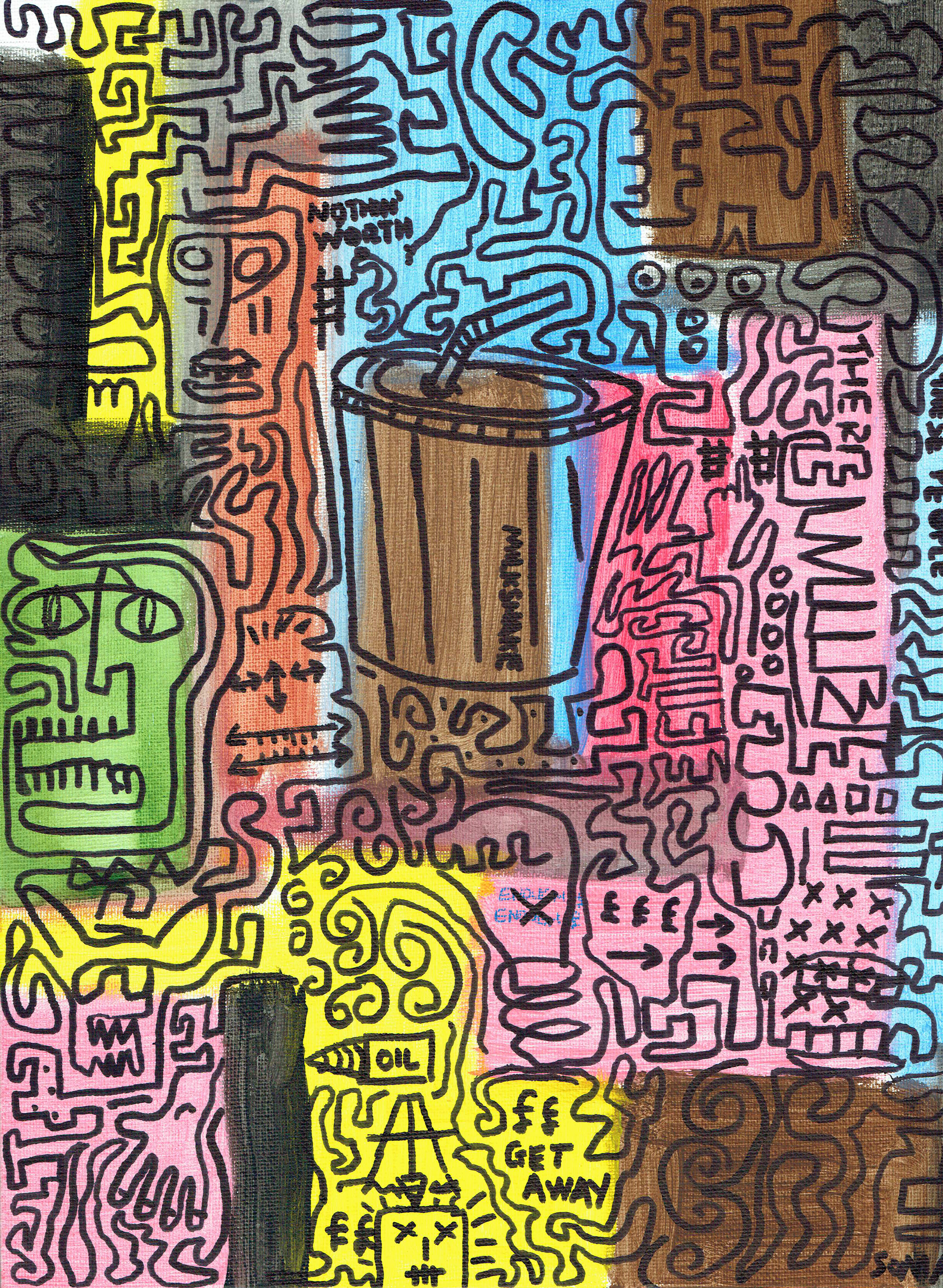
    The artist showcases on kdoutsiderart.com introduce you to new, emerging and established artists who align themselves with the term ‘outsider art’ in some way. This time it’s SOMA, whose work has an emotional core which changes the shape and aesthetic of every piece.


    No TV makes SOMA something something....jpg
    No TV makes SOMA something something

    When did your interest in art/creating begin?

    I don’t know if I could pinpoint a time when it began. I like to think that like every child, I was born an artist. Recently, my dad unearthed some schoolbooks and old work that I had done while in primary school and I was absolutely blown away by some of the drawings in them. I’m training to be a play therapist which has really validated and uncovered how creation and art are children’s natural forms of self-expression. Children draw and create art long before they can talk. Those drawings from when I was a child remind me that I’m just doing what comes naturally and my style now very much taps into when I had the most fun creating – when I was a child.

    Black British
    Black British

    What is your starting point for each piece?

    My starting point varies. For pieces where I use colouring pencils, I often start out by drawing a shape and then allow myself to scratch, claw, dab, and swivel all over the page with as many colours as feels necessary. This process has been described as fierce and ferocious by onlookers, but I’m just there with my tongue out in concentration having a wonderful time. With these drawings, I like to create with urgency. I tend not to hold any particular colouring pencil for more than a few seconds.

    With other works that I have done on canvas and found objects like doors and wooden boards, I tend to have a theme in mind that inspires a piece. Sometimes it’s a song, sometimes a one-liner from The Simpsons (“You’re not the boss of my teeth” or “Forget about the badge! When do we get the freakin’ guns?” – fans of The Simpsons will know what I’m talking about). I did a piece recently on a door based on a poem that is in a book that I self-published called To Have No Technique: Thoughts, Poetry & Art about Manhood. I did a piece called Intermittent which was initially based on the unsightly ganglion cyst that lives on my wrist, but then turned into an exploration of African culture. I guess I go where the moment takes me.

    Intermittant
    Intermittant

    Who/what influences your work?

    My work is influenced by emotion. When I look back at stuff that I’ve done, there is always an emotional core to the work, whether that’s anger, fear, happiness, pride, hope, sadness, curiosity. In that sense, the work I create is influenced by moments. I like to think that if tomorrow I had the same idea for any piece that I’ve done, the final outcome would look different depending on how I feel. It’s one of the amazing things about art to me which leads me to believe that everyone is an artist. It’s about communicating a feeling in a moment. We all do that every day.

    With that said, when I’m not creating art, I work for a domestic violence charity whose aim is to keep women and children safe by holding perpetrators accountable for their behaviour. I also volunteer for a charity that goes into schools to discuss gender stereotypes with boys and young men. Issues relating to gender, patriarchal culture, and violence against women and girls all emerge in my work, naturally, as these are all issues that I am passionate about.

    Milkshake.jpg
    Milkshake

    What do you hope the viewer gets from your work?

    In keeping with what I said before, I hope the work creates an emotional response in the viewer. I’m recently finished reading Rashomon and Seventeen Other Stories by Ryunosuke Akutagawa. The story of Rashomon itself is fascinating in that people can experience the same event and give contradictory accounts. I like to think that our experience of art works in the same way. I have heard many different (and often contradictory) interpretations and emotional responses to my work and that is just the way I like it.

    Untitled (Dancer).jpg
    Untitled (Dancer)

    What do you think about the term outsider art? Is there a term that you think works better?

    I think that the term outsider art says a lot about the societies that we live in. Like I said before, I feel that everyone is born an artist. There is a quote from Picasso where he says that “every child is an artist. The problem is how to remain an artist once we grow up.” I think that the change comes when children start learning to label and box things (and people) – and I’m not just talking about art.

    For whatever reason, humans seem to dig boxes and straight lines. Things always have to make sense and we can’t sit with the ‘this is different’ without finding a label for it.

    I don’t dislike the term outsider art. In a lot of ways, I have always been an outsider. I have selective eating disorder, which, in my case means that I would rather be a social pariah than eat a slice of pizza. I find the consumption of alcohol and other drugs stupid (trust me that makes you an outsider, particularly when that belief isn’t grounded in a religion). So, I tend to find myself on the fringes a lot, which is fine with me. But it’s a fascinating question and one that I’m in no hurry to find any kind of answer for.

    Peaces.jpg
    Peaces

    What are you working on at the moment?

    Well, recently one of my favourite rappers of all time, Phife Dawg from A Tribe Called Quest passed away. So I am working on a piece in memory of him. The piece is on a wooden board that I found on the street a couple of weeks ago which I’ve painted black, red and green (the colours on the Low End Theory album cover).

    Untitled (Head).jpg
    Untitled (Head)

    Where do you see your work taking you in the future?

    It’s hard to say where I see my work taking me in the future. I do like the idea of exhibiting and sharing my work with an audience. I find the relationship (between the artist and the audience) particularly interesting. In keeping with that theme, I am also keen to do some community-based work which aims to engage people in being more creative. I think that when it comes to art, folks tend to only see value in doing it if they are ‘good’ at it (whatever that means). I’m much more about facilitating everyone engaging in art. Everyone has the ability to put something on paper. And in my experience, the process of making or creating artworks can be cathartic, relaxing and essential for one’s self-care.

    I also aim to continue combining art with themes that I’m passionate about such as ending violence against women and girls and challenging patriarchal culture.


    Click here to see more work from SOMA

  • Bahrull Marta: Abomination Imagery

    Bahrull Marta: Abomination Imagery

    The artist showcases on kdoutsiderart.com introduce you to new, emerging and established artists who align themselves with the term ‘outsider art’ in some way. This time, we show you Bahrull Marta’s ‘dark art.’


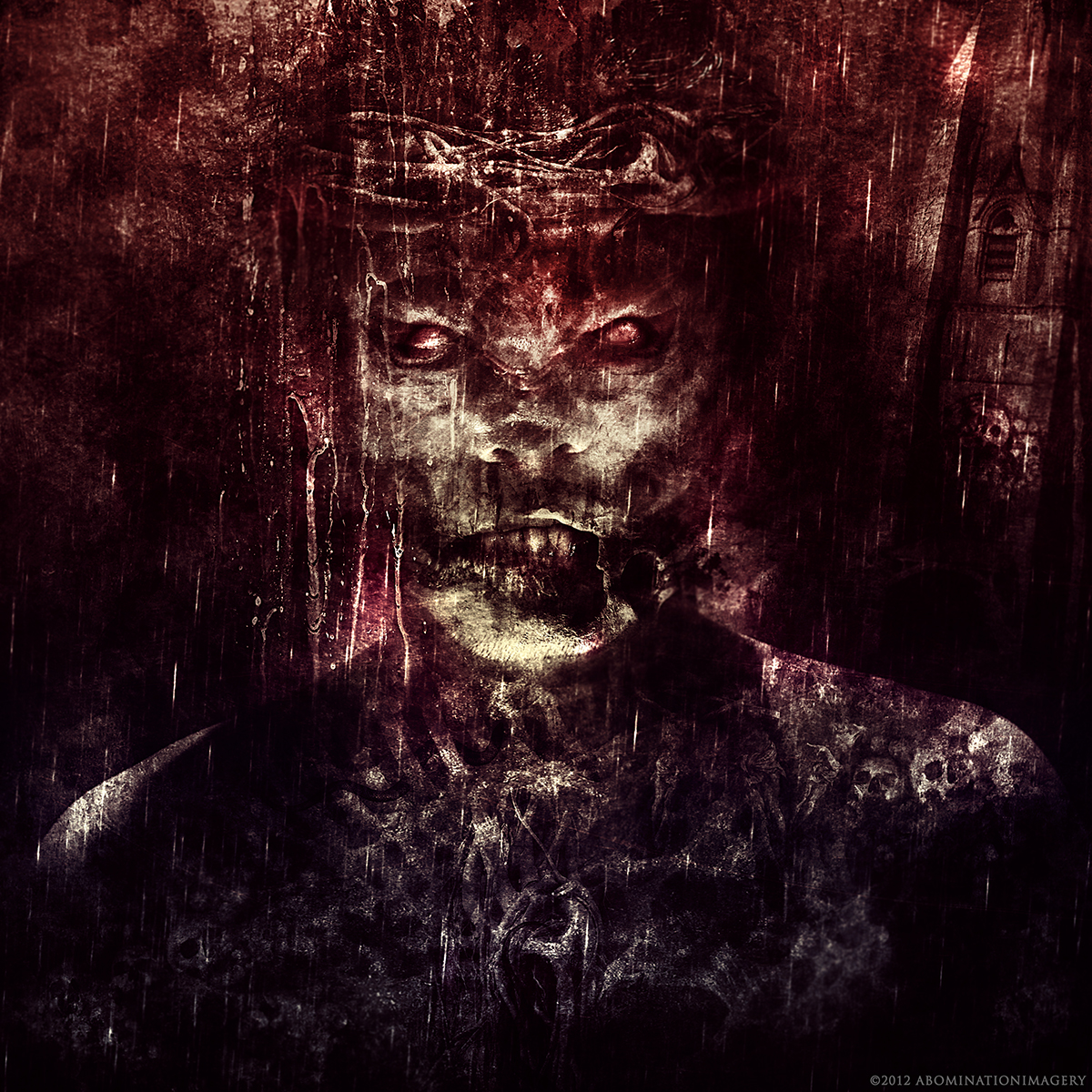
    Magdalena Von The Ripper
    Magdalena Von The Ripper

    When did your interest in art/creating begin?

    I began creating and focusing on my art after my work was published in my friend’s band’s booklet. This was around 2008, and since then, I have eagerly been getting into art – especially dark art. In 2010, with some help from a friend, I found myself with a moniker: ‘Abomination Imagery,’ and I started illustrating and designing for different brands.


    What is your starting point for each piece?

    I usually start with a brush or pen on paper, before transferring the idea onto digital canvas, or I might use one of my photographs and just start painting over it. My personal artwork is based mostly on my abstract mind. It starts from there, and it grows as the work progresses. I’m a fan of a traditional look created in a digital way, and I try to make myself comfortable working with no boundaries.

    Self Apocalypse IV (1)
    Self-Apocalypse IV

    Who or what influences your work?

    I am inspired by many different artists and photographers, including Joel Peter Witkin, Affandi, Travis Smith, Dave McKean, Spiros Antoniou and so many others.

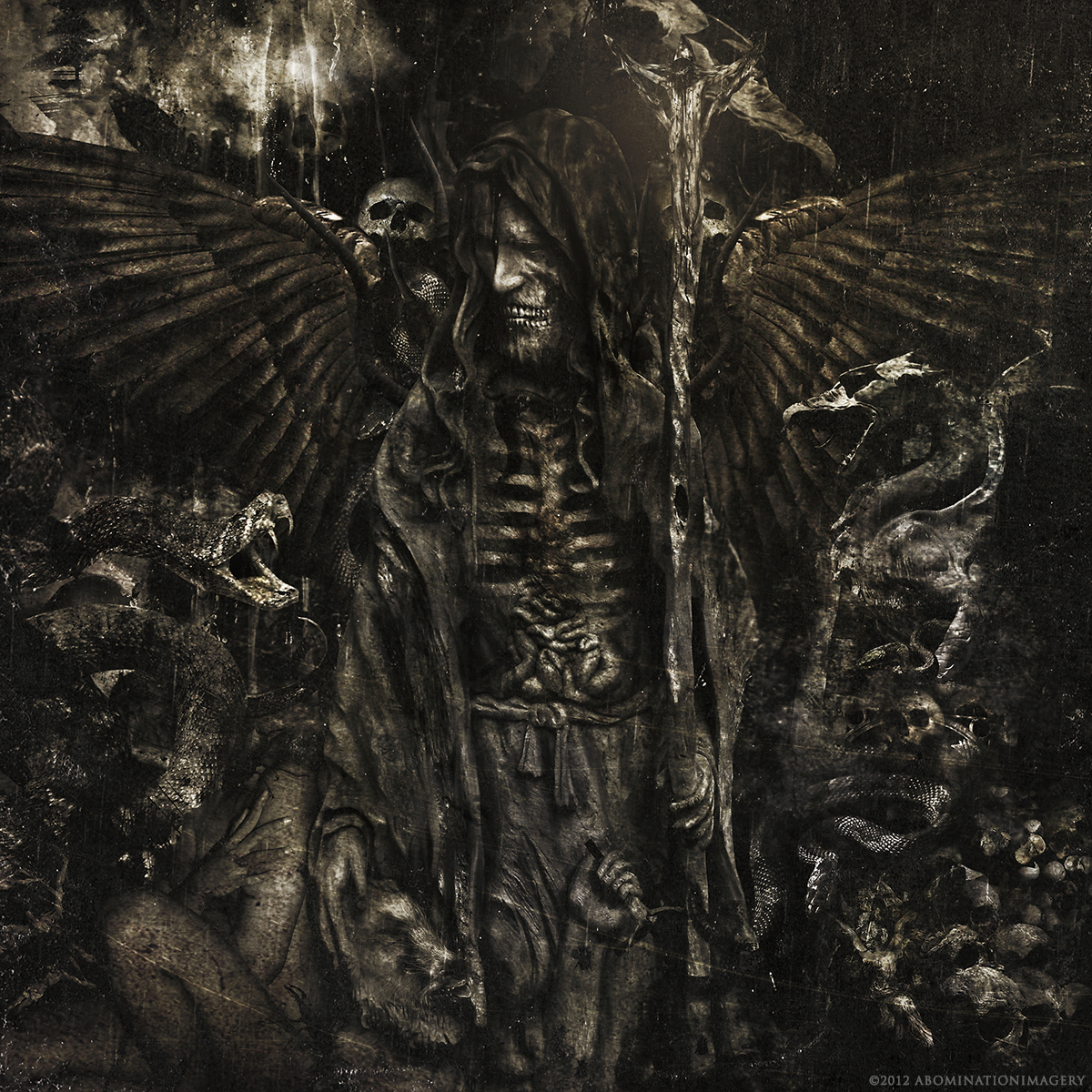
    Prophet
    Prophet

    What do you hope the viewer gets from your work?

    Hopefully happiness in the darkness, but I’m appreciative of anything the viewer takes from my work.

    SAVIOR
    Saviour

    What do you think about the term outsider art? Is there a term that you think works better?

    I think there are no rules. It’s just me and the medium – it’s freedom and it’s raw.

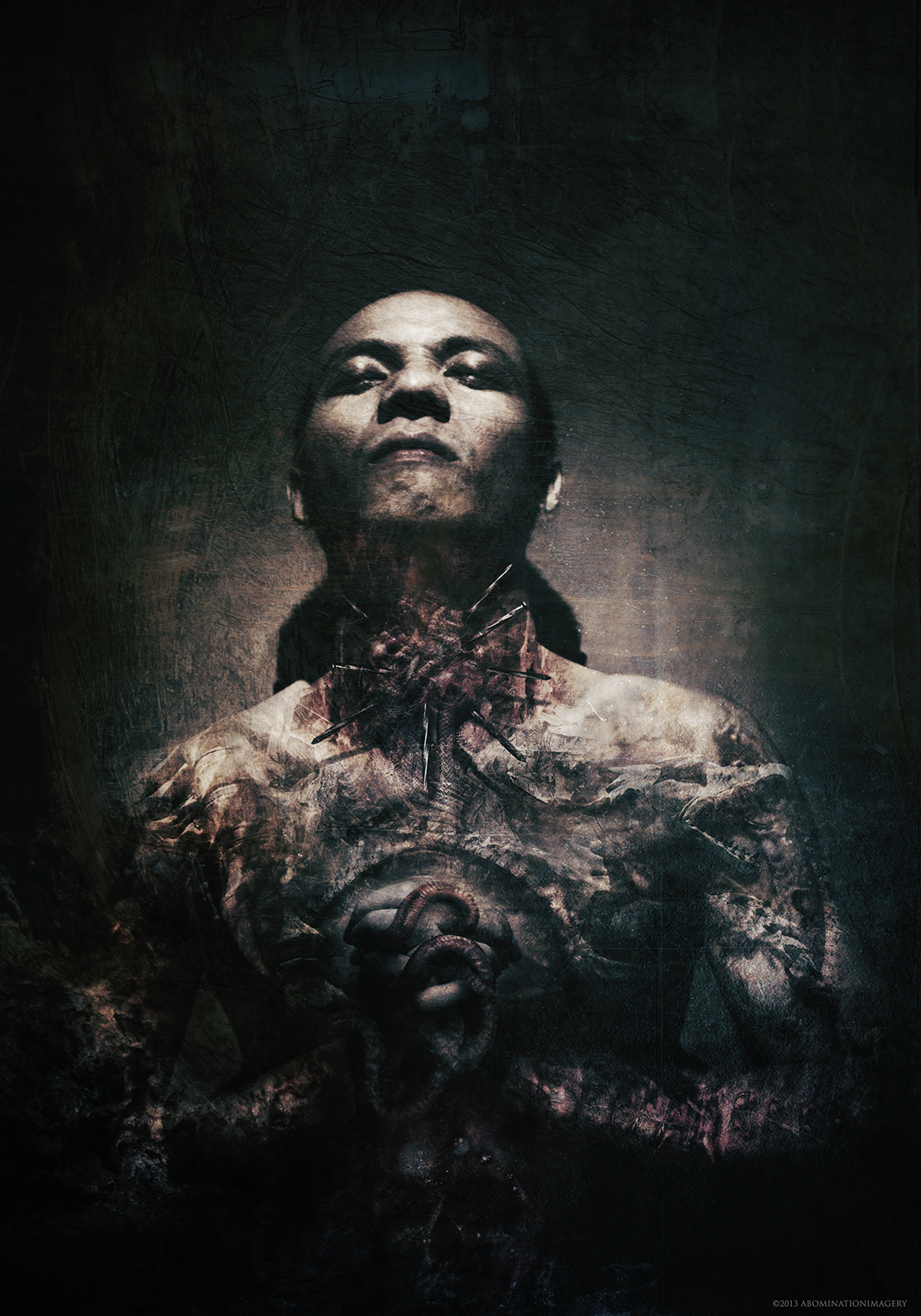
    MONK
    Monk

    What are you working on at the moment?

    I have a couple of personal pieces of work on the go, and I am making a cover for a metal band based in Ohio called Psychlosarin. I am also starting a new collaboration with French artist Ludovic Cordelières (or Rusalka Design) and Malaysian artist Dixon Jong from Intuitive Design. I’m also starting to practice tattoo art.

    Self Apocalypse XXI
    Self-Apocalypse XXI

    Where do you see your work taking you in the future?

    I would love to see my artwork share some space with other great artists in an exhibition and perhaps in a book – maybe with other pieces of ‘dark art.’ I’d also like to do more collaborative work with artists, bands and publishers.


    See more of Bahrull Marta’s work here
  • Radical Craft: Alternative Ways of Making

    Radical Craft: Alternative Ways of Making

    A new exhibition organised by Outside In and Craftspace is launching at Pallant House Gallery on 12 March 2016, illustrating the different and more alternative ways material and craft techniques can be utilised by artists and makers. ‘Radical Craft: Alternative Ways of Making’ will showcase work by historically renowned artists associated with the Outsider Art field alongside contemporary self-taught artists who see themselves as facing barriers to the art world; 21 of whom have been selected through an open submission process.


    Aradne - The Gathering
    Aradne, The Gathering

    Outside In, a project based at Pallant House Gallery, Chichester (UK), that supports artists who see themselves as facing barriers to the art world for reasons including health, disability, social circumstance or isolation, facilitated the open submission section of the exhibition, calling on the 2,000 UK-based artists with online galleries on their website to submit their craft based work for possible inclusion in the show. There were over 200 submissions, and the final works were selected by a panel including textile artist Alice Kettle; artist and Outside In Award Winner Phil Bard; Laura Hamilton, Co-Curator of ‘Radical Craft’; Katy Norris, Curator at Pallant House Gallery; and Deirdre Figueiredo, Director of Craftspace.

    The incredibly diverse work by UK artists will sit alongside pieces by artists of international renown from Asia, North America and Europe. The artists in this section of the exhibition include Dalton Ghetti, whose intricate pencil-graphite carvings are inspired by what he experiences on a day-to-day basis, and Julia Krause-Harder, who creates gigantic dinosaurs in mixed media.

    JuliaKrause-Harder_Stegosaurus_1 (1)
    Julia Krause-Harder, Stegosaurus, Image courtesy of Atelier Goldstein

    What ties the work in this exhibition together is the radical missions and processes that underlie each creation. These include intuitive responses to textiles; autobiographical responses to the natural or urban environment; and folkloric or surreal perceptions of the world. The exhibition’s aims lie most significantly in wanting to break down barriers. These barriers are two-fold. Firstly, there is a want to challenge preconceptions surrounding who can be considered an artist and what can be considered art – does someone need to have been to art school? Do they need to have exhibited in a high profile venue? – and secondly, the different but related question of why craft is often considered a ‘lesser’ form of art. Although the latter – and in many ways the former – are not directly answered within the show, the inclusion of both untrained artists and craft works within a nationally renowned modern British art gallery leaves some pause for thought.

    The exhibition will reveal not just who makes radical craft, but why they do, what they are inspired by, and ultimately, what the finished pieces – tied up as they are in the hopes, dreams and experiences of each maker – look like aesthetically.

    Beth Hopkins - Found Object Figure
    Beth Hopkins, Found Object Figure

    There are works in the exhibition which literally take this idea of being tied up in and with the history and context of the maker. In Nnena Kalu’s work, wound and bound bodies emerge as she builds and layers material upon material. Somewhat aesthetically similar, Judith Scott starts with an object hidden deep within the wraps and binds of her 3D sculptures. She repetitively hides and covers, whereas Kalu keeps building and building. Michael Smith’s customised jeans embody another form of wrapping. In his work, Smith alters something that already exists (in this case clothing), making his mark with masking tape, in the process creating the appearance of mythical creatures and new human-esque characters.

    From the above, you can see that textiles and fabric-based work will make up a large chunk of the show. In addition to the wrapping and winding of Kalu, Scott and Smith, there will be the machine embroidered web-like worlds of UK-based Aradne, and the impressive woven birch bark clothing of Finland’s Erkki Pekkarinen. Other materials and processes utilised in a radical way within the exhibition are Horace Lindezey’s wire drawings of the seven suits he owns for special occasions, and the found objects and discarded electrical gadgets that are given a new lease of life by Beth Hopkins.

    Nykykansantaiteilija Erkki Pekkarinen ja tuohipuku.
    Erkki Pekkarinen, Photograph of the artist wearing woven birch bark suit, Image courtesy of Veli Grano

    The exhibition is going to be key in the field, both in its attempt to raise the profile of artists working outside of the mainstream, and in its bold and courageous move to highlight the importance of craft within the art world. Much of work in the exhibition is primarily a form of communication; it is how the artist is most able to convey their unique messages, emotions and perspectives. With this end, craft enables the maker to create something that is wholly sincere. Working directly with the material; pulling, sewing, sticking, moulding, touching, feeling, their product is unavoidably connected to their physical being.

    Excitingly, the work in ‘Radical Craft: Alternative Ways of Making’ is the aesthetic and tangible result of unheard voices, radical imaginations, and – perhaps most poignantly – incredible creativity that, until now, has been overlooked by much of the art world.


    The exhibition is at Pallant House Gallery from 12 March – 12 June 2016, before touring around the UK. For more information, please click here.

    Featured Image: Nnena Kalu with one of her bound sculptures

  • Royston Slayton

    Royston Slayton

    The artist showcases on kdoutsiderart.com introduce you to new, emerging and established artists who align themselves with the term ‘outsider art’ in some way. This time, we show you the work of Royston Slayton, who is influenced predominantly by his own personal life experiences.


    in a little while
    In a Little While

    When did your interest in art/creating begin? 

    Since I was a child, I have always been interested in a person creating something that wasn’t there before.

    something i can never have art
    Something I Can Never Have

    What is your starting point for each piece? 

    That’s a hard question. I mainly start in one of two ways: I either have a loose idea and I just start to sketch it out, or I have no idea where it’s going to take me whatsoever. I am not a fan of Jackson Pollock, but I do like the way he worked. I think it’s more interesting when a person sits down and just lets their hands take over.

    Me and Her
    Me and Her

    Who or what influences your work?

    My main influence is myself. A lot of my pieces are based on memories or people I have met. A large part of it is also my childhood. Somethings I create and I understand where the idea or inspiration for them came from, others I have no idea what they are, where they are or who they are. If you study one of my illustrations, at some point you will probably find yourself wondering why in the world I put something in there.

    all that i want (1)
    All That I Want

    What do you hope the viewer gets from your work?

    Honestly nothing. I know that sounds weird – or harsh – but it’s the truth. I am not trying to connect with the viewer or leave a lasting impression, or make a statement. I was once told that the viewer wants to feel like a part of the art or creative processes, and I couldn’t help but think ‘why?’ They weren’t there when I created it, and they weren’t there when whatever event in my life happened to inspire it. If someone does get something from my work, that’s great, but if someone just sees a bunch of children and trees and nothing more, I’m OK with that too.

    moonshine
    Moonshine

    What do you think about the term outsider art? Is there a term that you think works better?

    I think it’s just a term – human beings like to label things. It makes us feel comfortable. I think the term ‘art’ works better, but who am I to rock the boat? I mean, what’s the difference between Henry Darger and Rembrandt? A label and dollar signs, basically. Their styles are different, but both are artists. I don’t see why someone has to be put into a category.

    A place like this
    A Place Like This

    What are you working on at the moment? 

    I am working on smaller pieces at the moment. I am finishing some watercolour illustrations and I will be doing a lot more graphite drawings this year.

    where did all the fire flies go. (1)
    Where Did All the Fire Flies Go?

    Where do you see your work taking you in the future? 

    I really don’t know. I know where I’d like it to take me, but knowing where you want to go and actually getting there seem to be two different things. I just hope I can continue to have success in the art world and build on it.


    See more of Royston’s work here