
Continuing on the theme of the construction and sociology of the art world, this blog post references Julian Spalding’s interesting read ‘The Eclipse of Art: Tackling the Crisis in Art Today.’ This post is somewhat a summary of Spalding’s main thoughts, which cover the descent of art in the modern era. In the book, he looks at the changing art education system, the changing language of art, and how value judgements are made about art and who makes them. Spalding is a kind of champion for the ‘traditional’ medium of painting, so much of his work focuses on how we can reinstate painting as the respected art form it once was. As always, please let me know your thoughts in the comments below, or alternatively, drop me an email: kdoutsiderart@yahoo.com. Hope you find something of interest!

Julian Spalding’s ‘The Eclipse of Art: Tacking the Crisis in Art Today’ is a somewhat scathing attack on the ready-mades and found-object sculptures of the late twentieth century, and a plea for the return of painting as a respected and important form of art.
Spalding splits his book into four main sections: the Eclipse of Language, the Eclipse of Learning, the Eclipse of Content and the Eclipse of Judgement. He concludes his argument with a chapter entitled The Passing of the Eclipse, in which he suggests where and how we might move forward from the devastating impact modern art has had on the art world and society as a whole (of course, he talks almost exclusively about the western art world). Despite a heavy criticism of most work produced in media other than oil paint, Spalding finishes the book with a certain optimism for the future; so long as we can move away from the preference of the artist as an individual celebrity over individual works.
The book is ultimately a comparison between oil painting (historic, modern and contemporary) and other forms of visual art, along with an insight into how the ebbs and flows of the art world over the last century have almost entirely been dictated by collectors, dealers, and rich patrons. This shift in who was ‘in charge’ combined with the aftermath of two world wars, an industrial revolution, and the development of new technologies (e.g. photography and other, more mechanical methods like screen printing) led to a new landscape that was almost a direct reaction to what had come before.
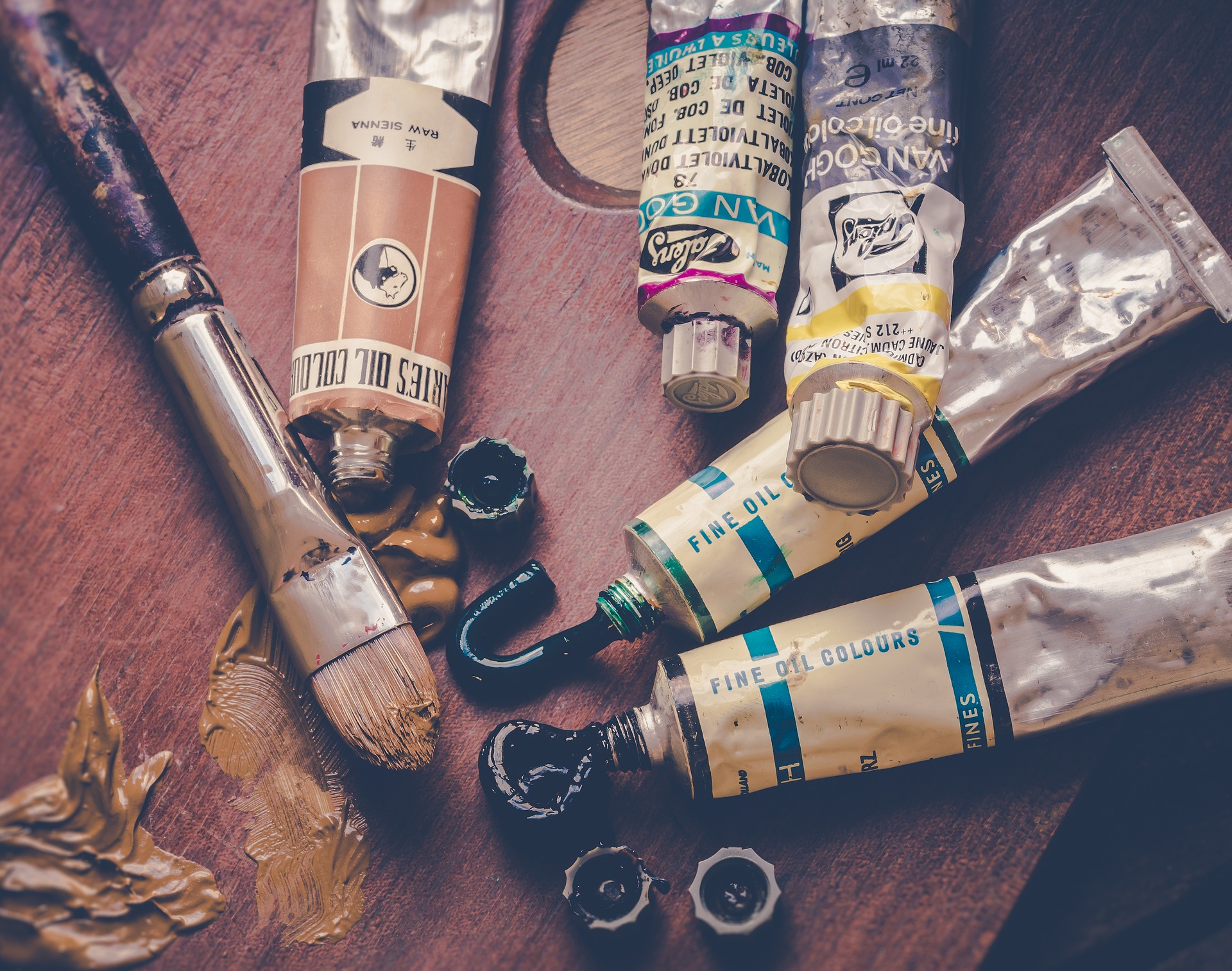
Spalding talks about painting’s descent into obsoletion, echoed by the socialist and feminist voice of John Berger in his pivotal Ways of Seeing. Painting, according to Berger, was “a manifestation of the desire of man (particularly males) to take possession of things, including other people (particularly females).”[1] Painting was on the side of the haves, not the have-nots. Berger championed photography as a new and accessible art form, and questioned the need for the outdated medium of painting when new methods of representation and communication were at our fingertips.
In ‘The Eclipse of Language,’ Spalding refers to visual art as being “a language, not a craft,”[2] but then follows this up by saying that art is in fact “not a language, because you cannot use it to converse. It is a one way communication.”[3] And, give them their due, artists in the twentieth century were keen to make art more of a two-way conversation, but this was just not possible with the rise of the ready-mades. These new objects on display in the most prestigious museums and galleries in the world were a completed statement. The public had “no choice but to think their own thoughts when looking at such ‘found objects’ because it is impossible to know from just looking at them what the artist intended you to think or feel about them, because they had not been changed by the artist in any way.”[4]
The chapter ‘the Eclipse of Learning’ is perhaps the most interesting contextually, giving – to some degree – a sense of how we have ended up in this situation. Languages, Spalding asserts, have to be learnt, and “the same is true of the language of art.”[5] Spalding argues that it is through the art education system that things began to radically change. Historically, prior to the industrial revolution, artists would take on apprenticeships as young as thirteen years old, where they would work with an artist for seven to eight years. This was really the only way to learn, because skills like grinding pigments required “years of practice to perfect,” and acquiring materials was financially out of the reach of many.[6] However, the new mechanical equipment born out of the industrial revolution meant the rigorous apprenticeships of the past were no longer needed, and so class divisions began to appear: “Was art a career for those who were good with their hands (the working classes) or for those who were good with their heads (the rule, now managing classes)?”[7] Art was becoming more theoretical; particularly in the way it was starting to be taught in art schools. As a subject, it moved from a respected trade to become part of polytechnic colleges, and then finally, part of the higher education system, available to study at most universities. Students started much later (eighteen, rather than thirteen), and they did not need studios anymore; they could work from home. There was also a bubbling feeling amongst students that selling art was selling out.

Interestingly, Spalding asks the question: are artists born or made? His response is that when we look at art, we might say that artists are born, but this natural freedom and energy is often lost in adolescence – many artists are ‘unmade’ at this point. A revival of the arts apprenticeship, Spalding states, is what the art world needs. Apprenticeships, and a society that is able to select the art it values the most, uninfluenced by dealers, agents, curators and patrons:
Society as a whole needs to select the art it values the most, but it cannot do this by voting (though the idea is intriguing) or even buying. So if democracy and market forces cannot do the choosing, who does it for us? Who are the selectors and the judges? And what motivates their selection of modern art?[8]
In ‘The Eclipse of Judgement,’ Spalding discusses the hierarchies that exist in the private and public art worlds and how this impacts hugely on the art work available to audiences. The last half of the twentieth century saw the rise of the artist as a celebrated individual – or celebrity – mirroring E. H. Gombrich’s saying that “there is no such thing as art, only artists,”[9] and Howard Becker’s individualistic theory of art making, which asserts that:
(1) Specially gifted people (2) create works of exceptional beauty and depth which (3) express profound human emotions and cultural values. (4) The work’s special qualities testify to its maker’s special gifts, and the already known gifts of the maker testify to the special qualities of the work. (5) Since the works reveal the maker’s essential qualities and worth, all the works that person makes, but no others, should be included in the corpus on which his reputation is based.[10]
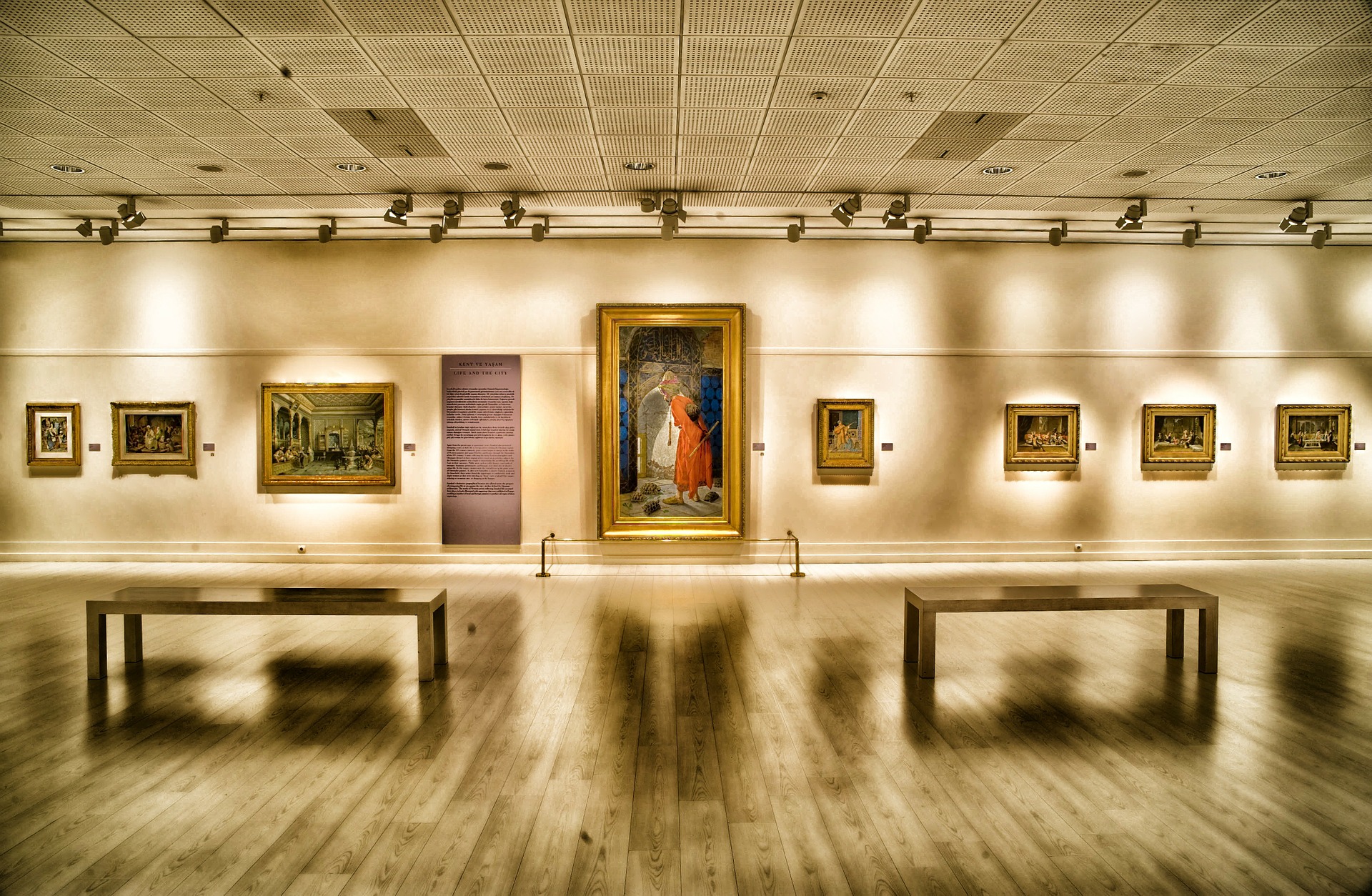
The art world, Becker notes, uses “reputations, once made, to organize other activities, treating things and people with distinguished reputations differently from others.”[11]
Joseph Beuys once said that ‘everyone is an artist,’ but why, then, do some pieces of work sell for much more than others? What makes someone an artist? Spalding argues that this greatly depends on who has an authoritative interest in what is considered art. In the 1990s, London became the capital of the visual arts world, to appreciate “how and why this happened, one needs to understand how an art world can be created by a tiny handful of people in powerful positions. All you need is an artist to make the work, someone to exhibit it, someone to promote it and sell it – though not necessarily in that order.”[12] This process does not involve the public, or their thoughts about art at all. In America, it was more difficult for this system of key players to take hold – it is much bigger geographically, and tastes much more diverse. In London, however, “there was one very big fish in a comparatively small ocean,” and this fish was Charles Saatchi.[13] For decades since Saatchi’s rise to power, artists have been making works specifically to draw his attention; and Saatchi likes to be shocked. The world of dealers, galleries and the art market differs greatly to any other kind of retail ‘endeavour’, because dealers and gallery owners do not want to sell what the public want to buy. They want to promote their ‘stable’ of artists and the expense of other artists. They are not offering what the market wants, they are instead making the market.
This market system that is driven by the interests of people in positions of power leaves the public with a very narrow view of what work is being made today. This role is technically supposed to be the responsibility of the public museum and gallery. However, in light of drastic and continuing cuts to core funding, public galleries have found themselves at the mercy of these wealthy dealers and collectors. They are “tied to the apron strings of the art market, quite simply because the richer dealers… can help sponsor shows that fill otherwise empty exhibition programmes.”[14]
[1] Julian Spalding, The Eclipse of the Art World: Tackling the Crisis in Art Today, Prestel Verlag, 2003, P 30
[2] Spalding, P 38
[3] Spalding, P 38
[4] Spalding, P 39
[5] Spalding, P 41
[6] Spalding, P 42
[7] Spalding, P43
[8] Spalding, P 73
[9] Spaling, P 76
[10] Howard S. Becker, Art Worlds, University of California Press, 1982, P 353
[11] Becker, P 352
[12] Spalding, P 86
[13] Spalding P 86
[14] Spalding, P 89

 KDOA
KDOA 