Category: Outsider Art Round-Up

  • In Focus: The Fascination with Outsider Art

    In Focus: The Fascination with Outsider Art

    Here is the third installment of the ‘In Focus’ series, which sees regular question and answer sessions between me and PhD student Marion Scherr. This post looks at the increasing fascination with outsider art, and the lack of the artist’s voice in exhibitions and publications.
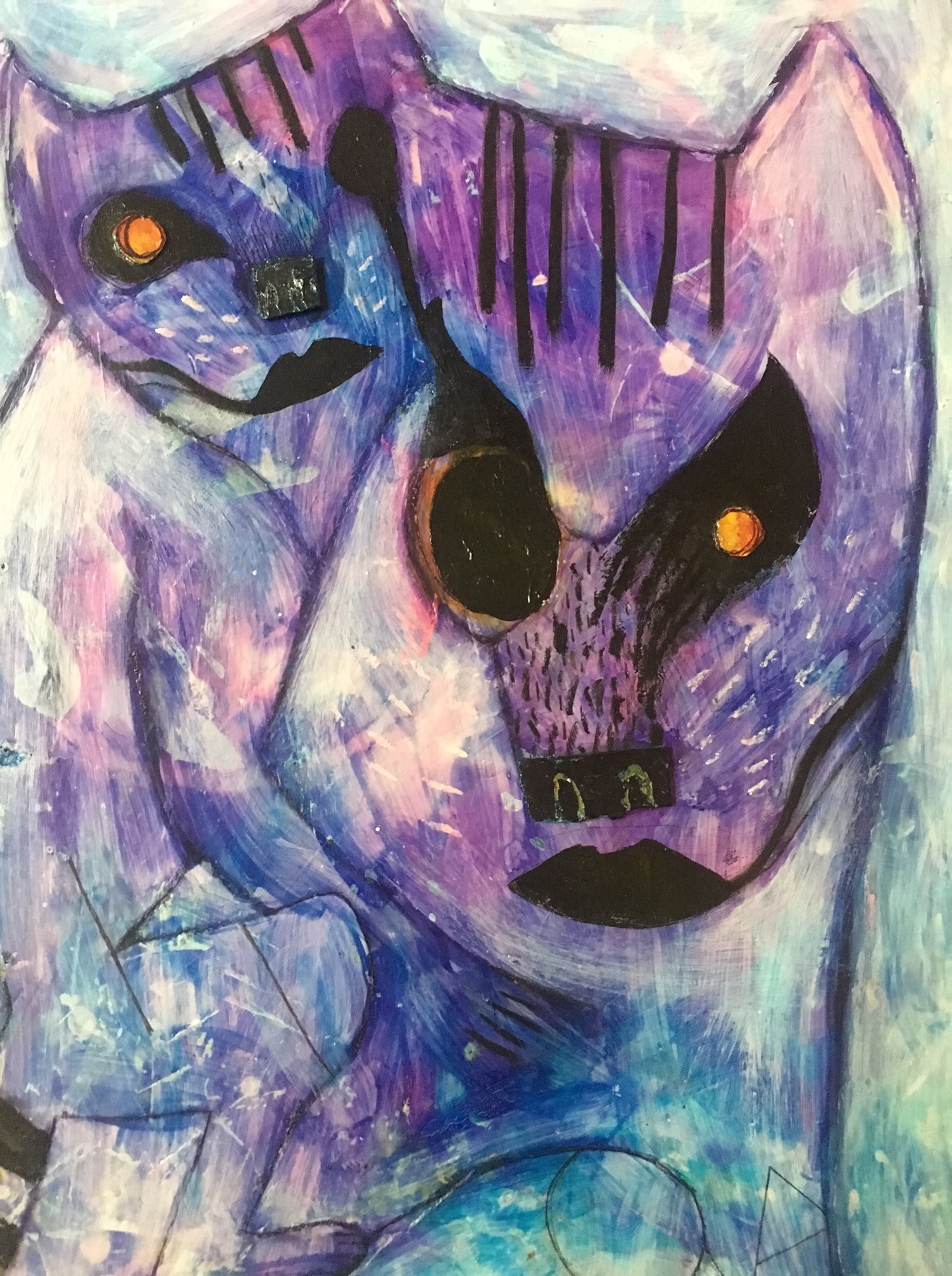

    Steve Murison - The One and Only Number One In Our Hearts Forever, Lemar
    Steve Murison, The One and Only Number One In Our Hearts Forever, Lemar

    Marion Scherr (MS): Although ‘Outsider Art’ is still a niche phenomenon, it seems to get more and more popular (considering the amount of exhibitions, specialist galleries, book publications etc.). Where do you think this increasing fascination with ‘Outsider Art’ comes from? Why do people seem to need this concept of the ‘Other’ or of the ‘Outsider’ in your opinion?

    Kate Davey (KD): This is a really interesting question, and it’s something that I think I have figured out in some part based on my own experience of viewing outsider art. I think the ballooning in popularity of outsider art has in some respects had a lot to do with the art market and what sells. In recent years, the ‘otherness’ and ‘difference’ of outsider art has grown in popularity and galleries and dealers have managed to put a price on this.

    If we move away from the art market – as I think this can sometimes muddy the water – in my opinion, the popularity of outsider art has come from people looking for something they can relate to on a more personal level. Certainly for me, fatigue with the ‘mainstream’ art world, and a sense that art was becoming more about money and sales and less about expressing an idea or a position, led me to become fascinated with outsider art. I think people (both art world and general public) can look at a piece of outsider art and feel like they are seeing a raw idea or expression. What I find with outsider art is that it gives me a physical reaction, which is something I rarely experience when looking at ‘mainstream’ art.

    Increasingly, the world is becoming more capitalist, everything is based around making money and spending money, and I think there is a pull from outsider art because generally the artist has not made it to sell, or to increase their following, or to become famous. It is this naivety, and, ultimately, the feeling that we are looking at someone’s inner thoughts or inner voice, that is really magnetic. It is human nature to want to find out about people, to understand people who are the same as us, who are different to us, and I think outsider art really enables us to do this.

    Particularly in the world we are living in today, outsider art can break down barriers between people from different backgrounds, from different countries, of different races and religion, and I think this is something people are actively searching for at the moment.
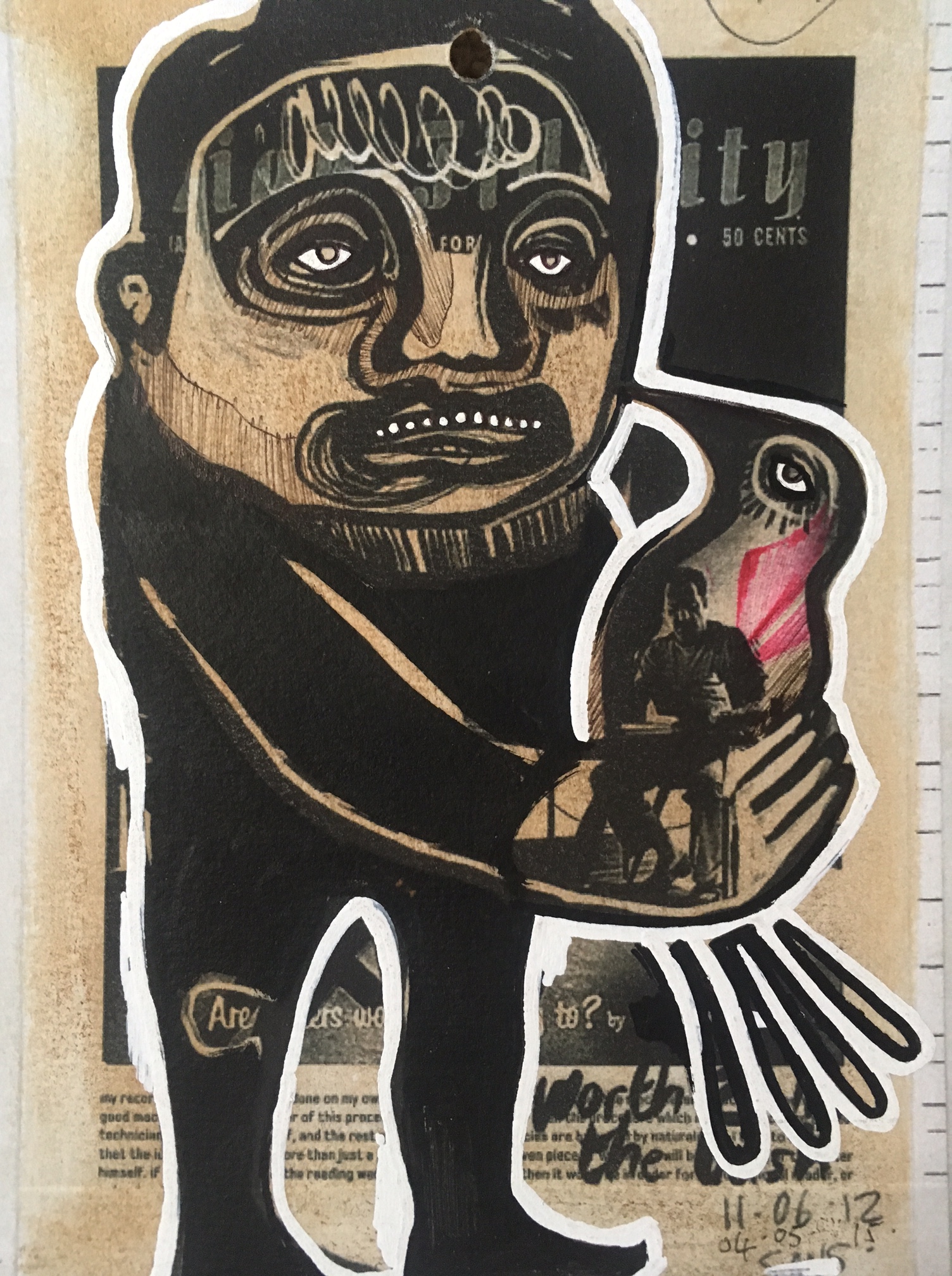
    Jim Sanders
    Jim Sanders

    MS: Considering the popularity of the genre ‘Outsider Art’, it still surprises me how little we actually hear from the artists themselves when we visit exhibitions or museums etc. In most cases there is a curator or collector talking “about” the artist and his/her work. Your blog seems to be one of the rare exceptions in the field, where artists are invited to share their version of the story and experience with the term. I’d be interested to find out more about your thoughts on this issue. Why is it that ‘Outsider Artists’ are normally left out of the dialogue?

    KD: Absolutely, I completely agree with you on this one. I think it’s definitely getting better, and there are certainly studios, projects and organisations that are working on rectifying this issue in the outsider art world by putting the artist’s voice at the heart of their work.

    Personally, I find it incredibly important to include the voice of artists, not just in exhibitions and publications, but also in defining the term and discussing its development. I think the idea of curators and art historians defining what a movement is, who can be involved, and what is written about it is something that dates back a long way. I think the nature of outsider art and the artists the term can encompass is one of the stumbling blocks curators in this area have to learn to work with. Artists can be non-verbal; artists might not consider what they create to be art; they might not know how to talk about it. I think curators can try to fill this gap, when really, we should constantly be checking ourselves, making sure we’re working with artists at every stage of the process, enabling them to communicate about their work in whatever way that might be (video, words, poetry, other visual tools). And if they aren’t able to communicate about it, then realising that that is OK too. The work will speak for itself.

    Because a lot of outsider artists have not travelled the traditional route through art school, they probably won’t have learnt about the art market and how it works along the way. They are creating as a form of catharsis, it can be an urge, or an innate part of their survival. It can be easy for curators who see the incredible output of outsider artists to take advantage, and I think this is something that has tainted the outsider art world. I am a strong believer in co-production, and as curators and promoters of outsider art we also have a social responsibility to not be another ‘institution’ that labels people, that puts words in their mouths, or groups people or artists in a way they are not comfortable with. It is difficult, and it is a learning process, but we need to overcome the historical idea that curators are the ‘expert’ or the ‘trend-setters.’

    There is so much to be gained from working with artists directly, learning about their processes, how they work, what inspires them, and it is such a shame that this can so often be lost in the way work is displayed. Particularly with contemporary outsider art (where the artists are still living!), we have such a great opportunity to share the voices and insights of such a huge range of interesting people. It can be a great way not to just learn about art, but to learn about difference and similarity – and human nature!


    Featured Image: Mitsi B, Time to Go

  • Kdoutsiderart on Tour: Folk Art Environments

    Kdoutsiderart on Tour: Folk Art Environments

    I can only apologise for my lack of posting lately! Following the busy period of January – March – which included the 5 year (online and offline) anniversary celebrations, things have slid a little. One of the reasons I let things slide was because I have been planning a trip to the southern states of the US. I leave next week, and am heading to New Orleans LA, Austin TX, Memphis TN, and Nashville TN. As well as taking in the sights and culture of these wonderful cities, I am also hoping to squeeze in visits to several folk art environments.

    There are many folk art environments in the south – of course, because much of the most renowned folk art is indigenous to the southern states. I scoured my Raw Vision Outsider Art Sourcebook (the last two editions!), and planned my route. I worked out that I can feasibly visit four of these environments during my trip (I did try to fit more in, but many were a little – and some were spectacularly – out of the way).

    From New Orleans, I am driving West to just outside of Austin, which means a stop off in Houston on the way. In Houston, my plan is to visit the following environments:

    1. Jeff McKissack’s The Orange Show (Houston, TX)

    theorangeshow
    Image courtesy of TripAdvisor

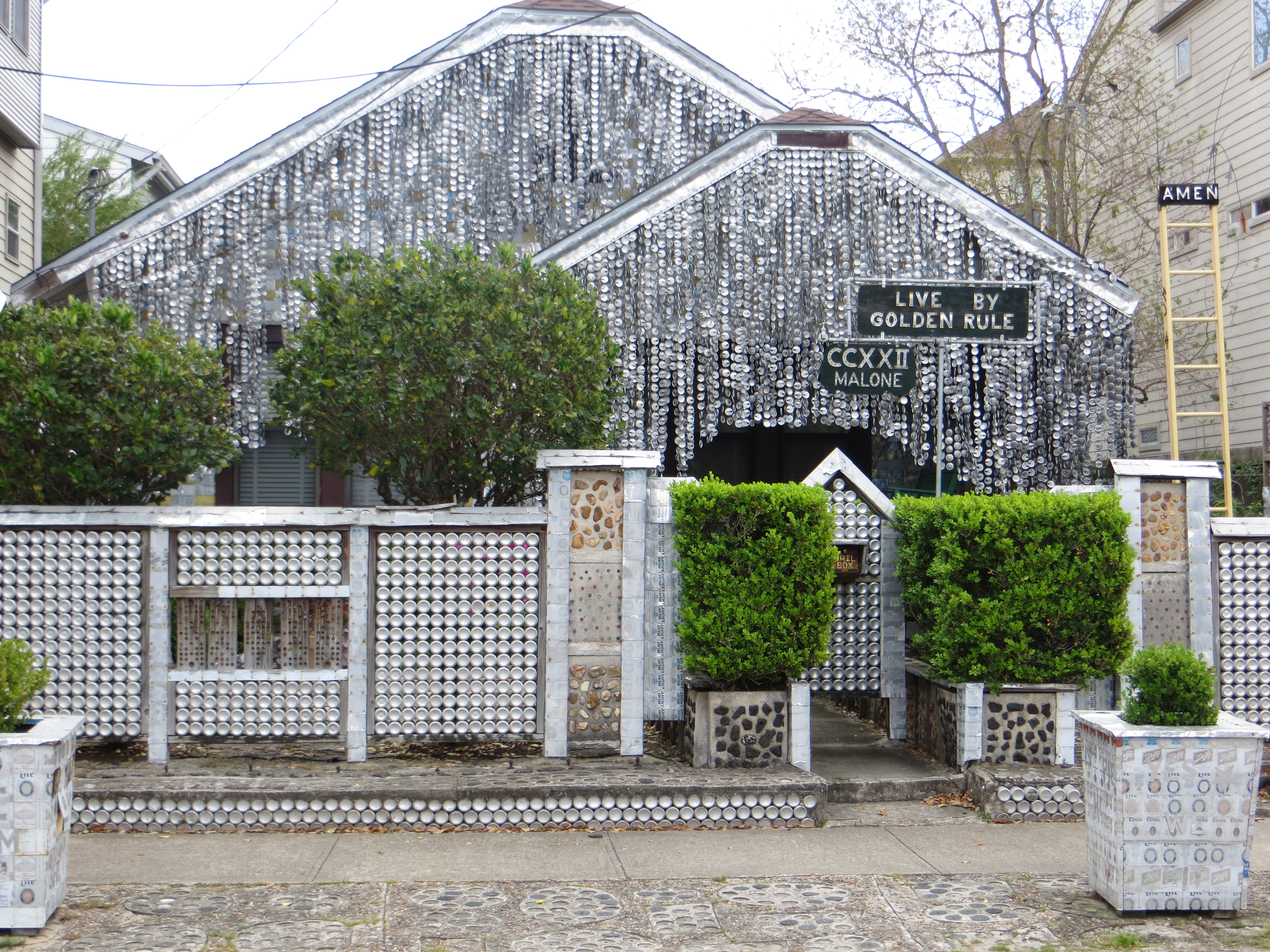
    2. John Milkovisch’s The Beer Can House (Houston, TX)

    beercanhouse
    Image courtesy of Suitcases & Sweets

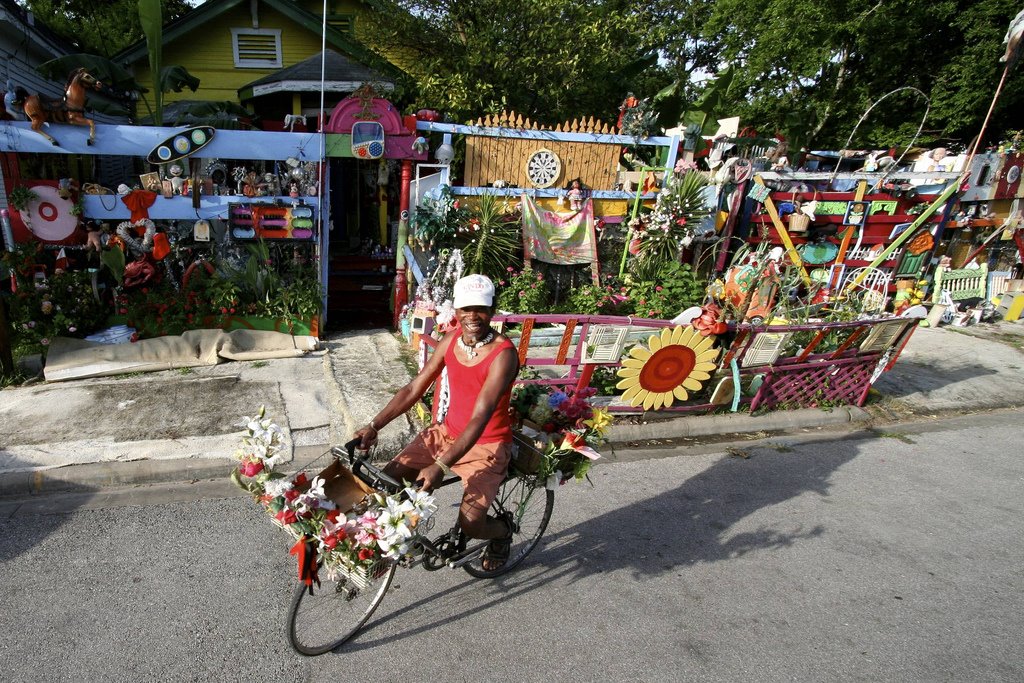
    3. Cleveland Turner’s Flower Man’s House (Houston, TX)

    flowermanshouse
    Image courtesy of Deep Fried Kudzu

    And then, when I’m driving between Memphis and Nashville, I’m hoping to stop off in Brownsville, TN on the way to visit:

    4. Billy Tripp’s The Mindfield (Brownsville, TN)

    billy-tripp-mindfield-1[2]
    Image courtesy of Amusing Planet
    I’m hoping that on my return I’ll be able to share my adventures and pictures with you. If you have any suggestions as to other environments I might be able to stop by at on my route, drop a comment below! See you all soon!


  • Outsider Art to see in 2015

    Outsider Art to see in 2015

    First of all – Happy New Year everyone! As we welcome in 2015, here’s a brief list of a few of the must-see outsider art exhibitions taking place this year.


    Judith Scott: Bound and Unbound

    Brooklyn Museum, New York, US
    Until 29 March 2015

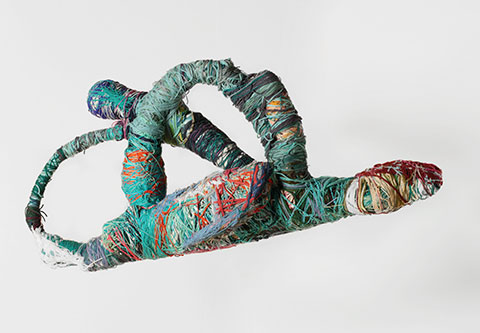
    Judith Scott, Untitled
    Judith Scott, Untitled

    This exhibition is the first comprehensive US survey of the work of Judith Scott and includes Judith’s three dimensional works as well as a selection of works on paper.

    Click here for more information


    Welcome to the World of Mr. Imagination

    Intuit: The Center for Intuitive and Outsider Art, Chicago, US
    9 January – 25 April 2015

    mr imagination

    This is the first Chicago retrospective for Mr. Imagination; a celebrated outsider artist whose career spanned more than thirty years.

    Click here for more information


    Mary Barnes: Boo-Bah

    The Nunnery, Bow Arts, London UK
    16 January – 29 March 2015

    Mary Barnes, courtesy of www.bowarts.org
    Mary Barnes, courtesy of http://www.bowarts.org

    This show will feature paintings and drawings by prolific outsider artist Mary Barnes. The works are predominantly  from the collection of Dr Joseph Berke, her therapist and friend, and the exhibition will bring together works spanning her artistic career.

    Click here for more information


    New York Outsider Art Fair

    Center 548, New York, US
    29 January – 1 February 2015

    new york outsider art fair

    The annual New York Outsider Art Fair showcases work by some of the most renowned outsider artists.

    Click here for more information


    Nek Chand

    Pallant House Gallery, Chichester UK
    Summer 2015

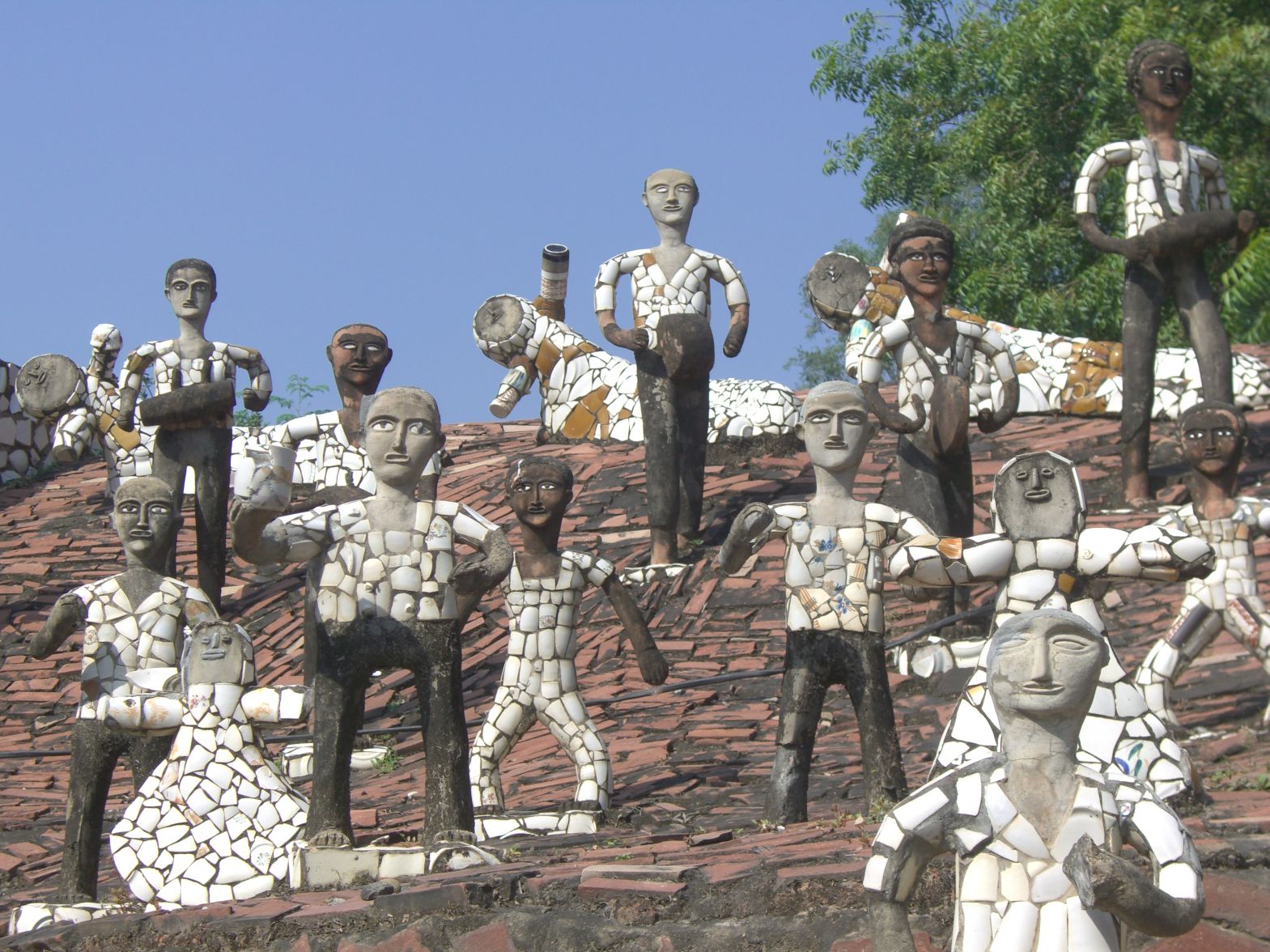
    Nek Chand, photo from the Rock Garden in Chandigarh
    Nek Chand, photo from the Rock Garden in Chandigarh

    Pallant House Gallery in Chichester will house some of Nek Chand’s famous figurative sculptures in their garden this summer.

    Click here for more information


    Paris Outsider Art Fair

    4 Rue d’Artois, Paris, France
    22 – 25 October 2015

    paris art fair 2015

    Like the New York Outsider Art Fair, the Paris incarnation will similarly showcase work by renowned outsider artists.

    Click here for more information


    There will be more must-see outsider art exhibitions popping up throughout the year, so please do follow me on twitter: @kd_outsiderart for all the latest news, or check out the ‘Links’ page (by clicking here) to see what the organisations dedicated to showcasing outsider art are up to in 2015.
  • 2013: A Year of Outsider Art

    2013: A Year of Outsider Art

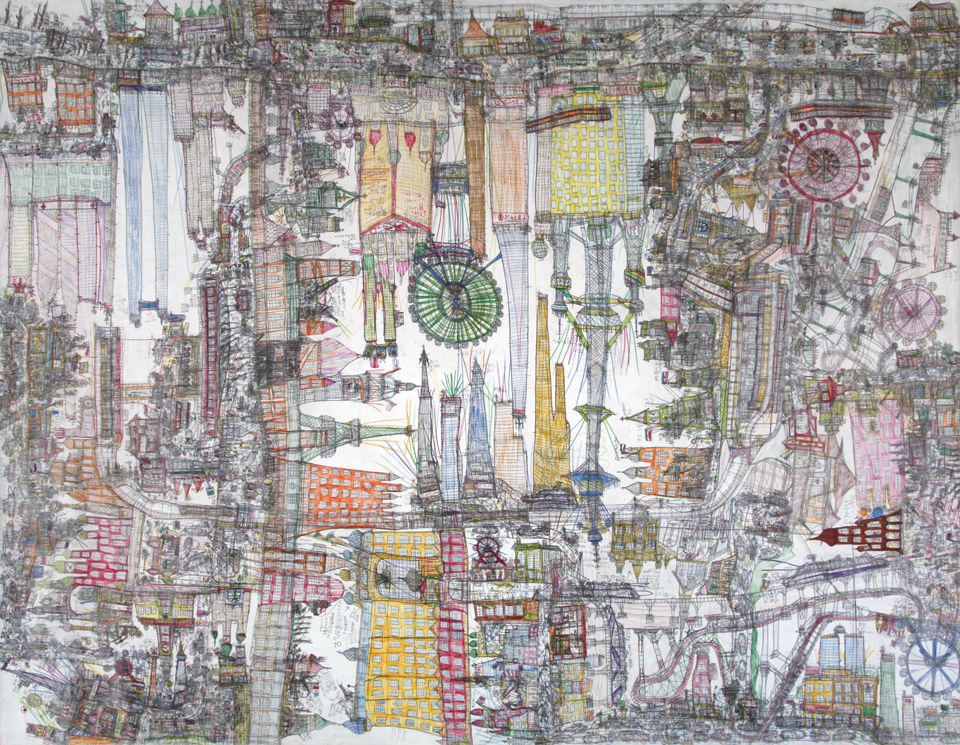
    Featured Image: Marcel Storr


    It’s certainly true; the past year has been an incredible one in terms of raising the profile of outsider art. It came from almost complete obscurity into the limelight with multiple London-based exhibitions and more national coverage at the Venice Biennale. Here’s a bit of a recap of what happened. Sorry for the UK-centric view here – it’s only because I’m based here! Let me know of any major outsider art events that took place in the last year where you are in the comments below.

    In March, ‘Souzou: Outsider Art from Japan’ opened at the esteemed Wellcome Collection in London. This display showcased the creations of Japanese artists working at day centres in Japan and was extremely successful in its aim of highlighting the complex intersections between health and creativity, work and wellbeing and mainstream and marginality. It also gave us the word ‘Souzou’, which is perhaps a somewhat better reference for what we currently recognise as Outsider Art, although it has no direct translation in English. In Japanese, depending on how it is written, it can mean creation or imagination. The term itself, I think, goes part of the way in distilling any preconceptions about this type of art because it is a word that the Western world has (somewhat unknowingly) needed for so long.

    The exhibition was a timely reminder of the importance of displaying works created by those who cannot so easily align themselves with the mainstream art world. It blew away the hierarchical idea of biographical context and focused on the achievements of these artists and their incredible creations.

    NorimitsuKokubo
    Norimitsu Kokubo

    Following on from this majorly important exhibition at the Wellcome Collection, the Hayward Gallery hosted ‘Alternative Guide to the Universe’; an exploration of the work of self-taught artists and architects, fringe physicists and visionary inventors. The Hayward Gallery is no stranger to outsider art, having hosted the UK’s first major exhibition of outsider art thirty four years ago, and it certainly did the subject justice once more.

    The show was an incredible display of the power of imagination, most aptly illustrated, perhaps, by ‘gothic futurist’ and hip-hop pioneer Rammellzee’s ‘Letter Racers’, which depicts how the alphabet might look if the letters were to become mechanised and able to fly into battle. It was without a doubt an innovative combination of art and science and re-imagined worlds, of artists and inventors who want to better understand the universe.

    Of course, probably the biggest event in the outsider art calendar this year was the Venice Biennale. The Biennale, which ran from 1 June – 24 November, was titled ‘The Encyclopedic Palace’ by curator Massimiliano Gioni after self-taught artist Marino Auriti’s Palazzo Enciclopedico design for an imaginary museum meant to house all worldly knowledge. The Palace showed works from the past century alongside several new commissions, showcasing one hundred and fifty artists from more than thirty-eight countries. Blurring the line between professional artists and amateurs, outsiders and insiders, the exhibition took an anthropological approach to the study of images, focussing in particular on the realms of the imaginary and the functions of the imagination.

    From 26 September – 28 November, self-proclaimed ‘Outsider Curator’ Sue Kreitzman organised ‘Epiphanies! Secrets of Outsider Art’ at the St. Pancras Hospital Conference Centre in London. The show revealed works covering an impressive range of content, media and style by almost 25 artists, all of whom Kreitzman had personally befriended.

    Orleans House Gallery in Twickenham hosted (and still are hosting!) a major retrospective of the work of Madge Gill, who without training or aspirations for fame produced  thousands of ink drawings during her lifetime. The focal point of the exhibition was The Crucifixion of the Soul, which had not been on display in the UK since 1979. Over ten metres long, this immense calico is inscribed with Gill’s finely wrought doodle-like drawings and is testament to Gill’s commitment to creativity.

    Face to Face with the Outsiders’ at the Julian Hartnoll Gallery in London beautifully brought together a vast and varied range of portraits created by those considered to be on the ‘margins’ of the art world, and ‘The Gravy Train and Roads to Recovery’ in the St. Pancras Hospital Conference Centre in London was an eclectic mix of work by Service Users at the Margarete Centre and Kate Bradbury’s dervishes. Organised by The Arts Project, the exhibition aimed to highlight the idea that whilst treatment for substance misuse historically focussed on harm reduction and substitute prescribing, other recovery methods emphasis equality, opportunity and equal access to society.

    Kate Bradbury's 'Goats'
    Kate Bradbury’s ‘Goats’

    Throughout the year, Outside In ran a touring show as a follow on from their National exhibition in 2012. The show displayed work by twenty artists facing barriers to art world who were selected through the open national competition. Running parallel to this, the organisation also held regional exhibitions which allowed people all over Scotland and England to experience this incredible work.

    So, this is just a brief round-up – and certainly doesn’t cover everything that happened! Here’s to an even better 2014 – we already have a lot to look forward to, including ‘Intuitive Folk’ at Pallant House Gallery and ‘British Folk Art’ at the Tate.


    I would like to take this opportunity wish you all a very Happy New Year, and thank you for reading. I hope you’ve enjoyed all that has been on the Blog this year, and that you will join us again next year. If you have anything you would like to see on here, please do not hesitate to get in touch.
  • Madge Gill: Medium and Visionary

    Madge Gill: Medium and Visionary

    5 October 2013 – 26 January 2014
    Orleans House Gallery, Twickenham


    A new exhibition opening on 5 October at Orleans House Gallery, Twickenham, will bring together little-seen works and archival material by prolific (and perhaps the best known) British ‘outsider artist’ Madge Gill.

    With no training and no aspirations to fame, Madge Gill produced thousands of ink drawings during her lifetime. Her work remains an enigma: is it true she was inspired by an ethereal spirit guide? Was she genuinely in touch with ‘the beyond’, or was art-making a form of self therapy?

    Orleans House Gallery invites you to delve into the world of Madge Gill (1882 – 1961) in this major retrospective exhibition supported by the Wellcome Trust. Featuring over 100 original artworks, and contextual photographs and documents, this exhibition is the first of its kind. Madge Gill was championed and collected by Jean Dubuffet, who coined the term ‘art brut’ (raw art), the precursor to the term ‘Outsider Art’. Gill is considered the most important, influential and recognised British ‘outsider artist.’ This project explores Gill’s work, history and psychic / mediumistic context in-depth, in order to question the use of such terms, whilst celebrating the benefits of creativity for wellbeing.

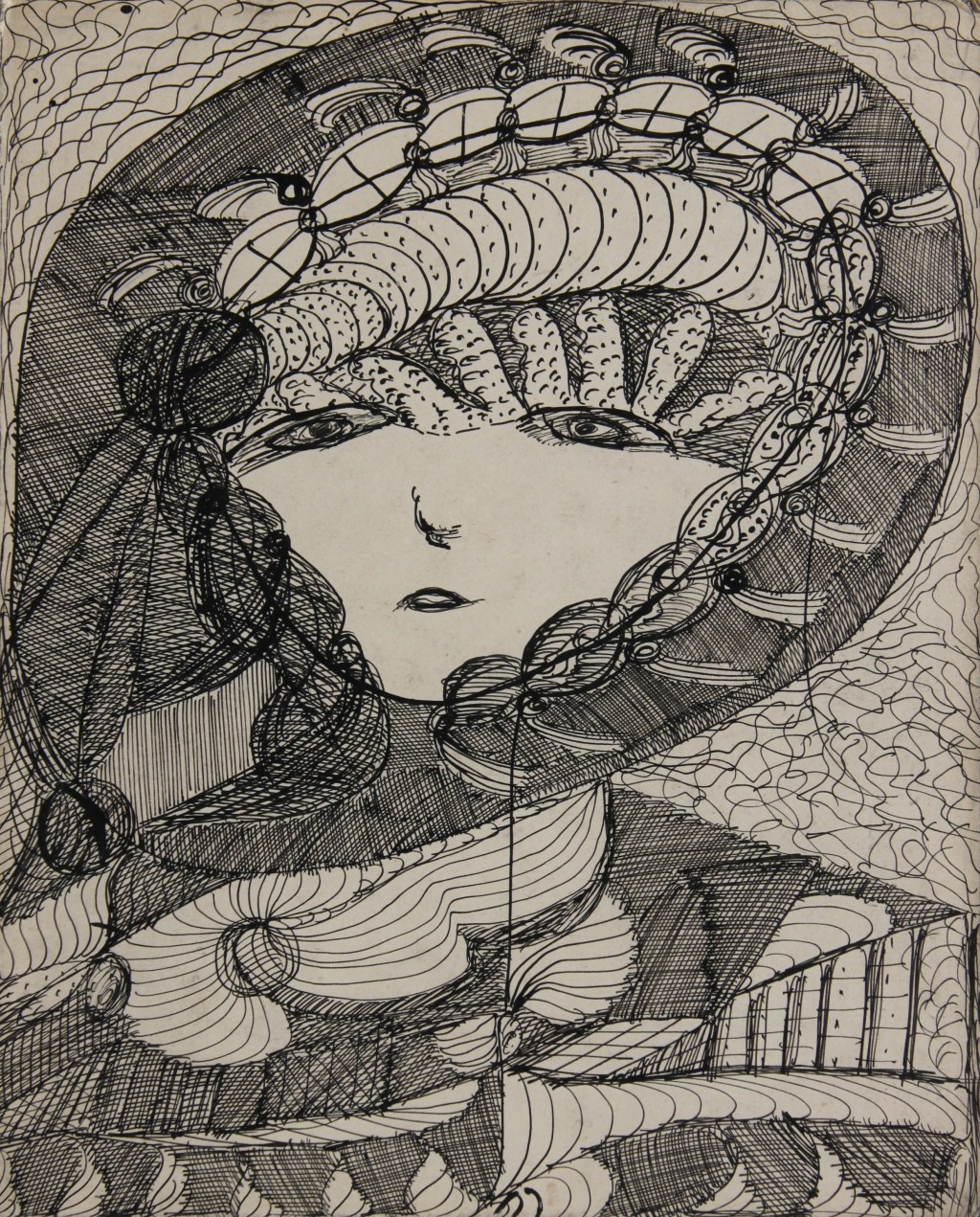
    Working mainly on paper, card and textiles, Gill used pen to create maze-like surfaces with a glittering, almost hallucinatory quality that often reveal a female face. Ranging from postcard size to over 10 metres long, her work immerses the eye in a dark world of mystery, beauty and obsession. Her work has been included in previous Orleans House Gallery Outsider and Visionary art exhibitions, the Tate Gallery, and more recently at the Whitechapel Art Gallery , Museum of Everything and Nunnery Gallery.

    The focal point of the exhibition will be The Crucifixion of the Soul, which has not been on display in the UK since 1979, and is Gill’s most important work. Over ten metres long, this immense calico is inscribed with Gill’s finely wrought doodle-like drawings and is testament to Gill’s commitment to creativity.

    The project has been generously funded by a People Award from the Wellcome Trust. Curators have worked with psychologists, medical historians, biographers, art historians and art psychotherapists to bring different approaches to Gill together within the exhibition and accompanying catalogue. Present day artists from the Art & Soul group, who celebrate mental and emotional wellbeing through the arts, are also represented in the project.

    Bringing together little-seen loans from the Newham Archive; the College of Psychic Studies in South Kensington; the Henry Boxer Gallery and other archival material and artworks from private collections, this exhibition is a must-see for all those interested in art, psychology, spiritualism, social history or all of the above.


    For more information on what promises to be an unmissable exhibition, please visit http://www.richmond.gov.uk/arts
    The exhibition will be open to the public Tuesday – Saturday 1pm – 4.30pm and Sundays 2pm – 4.30pm.
  • Outsider Art Round-Up August 2013

    Outsider Art Round-Up August 2013

    (Image Credit: Claudia Benassai, ‘Peeping Tom’)


    I was recently having a think of ways to revamp the blog, especially after my currently-very-spaced-out posts (due to house move, no internet, etc.). I decided to start a ’round-up’ series that would include a mixture of Outsider Art news, recent articles on the subject (from newspapers, magazines, online, blogs), and relevant current or upcoming exhibitions. As this is the first installment of this new idea, please let me know what you think and what could be improved.

    If you have any news, articles, exhibitions, or opportunities for artists that you would like to be considered for the round-up, please email them to kdoutsiderart@yahoo.com


    News


    Impact Art Fair at Block 336, Brixton

    The Impact Art Fair – the UK’s first to display on works by those experiencing mental ill health, disability, or other socially exclusive circumstances – took place in the spacious (but sweaty) basement of Block 336 last weekend. The Fair itself was a tremendous success, with artists from all over the country represented on various stalls. The artwork was so diverse, ranging from intricate ink drawings, such as those by Colin Hambrook, to wildly bright ‘astral goats’ and ‘witches’ by the very talented Steve Murison.

    Various organisations also held stalls displaying work by multiple artists. These included Bethlem Gallery, Outside In, and Action Space to name a few.

    After assisting with the final stages of setting up on Thursday 25 July (as a member of staff at Creative Future – the organising organisation!), I stuck around for the private view, which was a resounding success. Artists, buyers, journalists, organisation staff, and the general public all came together to celebrate this fantastic display of truly tremendous and inspirational talent.

    Steve Murison, 'Your Witch has Erupted'
    Steve Murison, ‘Your Witch has Erupted’

    Click here to see the Fair in the Brixton Blog


    Raw Vision at the Halle Saint Pierre, Paris

    Between 18 September 2013 and 22 August 2014, the Halle Saint Pierre will be hosting a celebration of 25 years of Raw Vision Magazine. The exhibition will feature classical works of Art Brut, new discoveries, photos of extraordinary visionary environments and will include over 60 artists. Click here for more information on the upcoming anniversary exhibition.

    This exhibition will coincide with the Outsider Art Fair in Paris for one weekend in October. The Outsider Art Fair will be taking place from 24 – 27 October 2013 at Hotel Le A, a 26-room boutique hotel 1 kilometer away from the Grand Palais, which will be concurrently hosting FIAC, France’s premier contemporary art fair.


    Articles


    Jillian Steinhauer – ‘Do We Still Need to Defend Outsider Art?

    This article is Steinhauer’s response to Christian Viveros-Faune’s scathing attack on Outsider Art (read full attack here). In her article for Hyperallergic, Steinhauer picks apart Viveros-Faune’s arguments against the growth in popularity of Outsider Art and therefore it’s value as part of the art market.

    Click here to read Steinhauer’s full article on Hyperalleric

    Ralph Fasanella, 'American Tragedy', Courtesy of hyperallergic.com
    Ralph Fasanella, ‘American Tragedy’, Courtesy of hyperallergic.com

    A Perspective on the Heidelberg Conference on Outsider Art

    In this blog post, a delegate from the Heidelberg Conference talks about their experience of the event, in particular the conversation around ethical issues. The conference took place in May 2013 at the University of Heidelberg, where the Prinzhorn Collection is housed. The article proves very interesting if you were unable to attend the conference. It also raises awareness of the ethical issues that do surround Outsider Art.

    Click here to read the blog post


    Exhibitions


    ‘Art in the Asylum’ at the Djanogly Art Gallery, University Park Nottingham
    7 September – 3 November 2013

    This exhibition will present the first look at the evolution of artistic activity in British asylums from the early 1800s to the 1970s. Over nearly two centuries, the visual arts have played a significant part in the development of Psychiatric treatment methods; a period coinciding with a time of great chance in our understanding and treatment of mental disorder.

    With over 150 selected works from National and International collections, this exhibition will trace the historical shift from invasive treatments which included psychosurgery, insulin coma therapy and restraint to a more humane regime in which creativity played a key part.

    Click here to find out more.


    I usually post regular relevant news, exhibitions, and articles over on Twitter: @kd_outsiderart